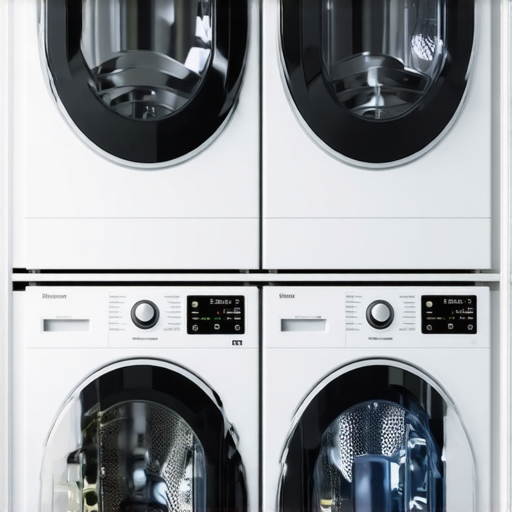

I’ll never forget the day I crammed yet another load into my old top load washer, only to watch it groan under the weight, clothes spilling over the sides. That moment of frustration was a lightbulb moment for me. I realized that my washing machine’s capacity wasn’t just about size; it was about efficiency, convenience, and whether it suited my family’s needs. If you’ve ever faced the dilemma of overloaded laundry or wondered if your machine is keeping up with your household’s demands, you’re not alone.
Why Capacity Matters in Today’s Laundry Routine
In 2025, the importance of choosing the right washing machine isn’t just about having a shiny new appliance; it’s about practicality and saving time. A washer with sufficient capacity can handle larger loads, reducing the number of cycles needed and ultimately cutting down on utility bills. But which type offers the best balance—top load or front load? It’s a question that many homeowners grapple with, especially as innovations promise better efficiency and capacity.
Is Capacity Still King in Laundry Machines? The Skeptics’ Concerns
I’ve made the mistake early on of assuming that larger equals better without considering energy efficiency or fitting my space. That led me to some frustrating experiences where I purchased a machine with impressive specs but found it cumbersome and energy-hungry. According to industry experts, many consumers overlook the importance of matching washer capacity to their actual laundry needs, leading to unnecessary upgrades and expenses. Feel like capacity is just a hype? Let’s delve into what truly matters in 2025.
If you’re tired of washing multiple small loads, or if your current machine can’t handle your family’s laundry volume, this guide aims to clarify the capacity question once and for all. Want to find a machine that combines space-saving design with sufficient capacity? Keep reading—your laundry routine is about to get a whole lot easier.
Curious about the latest trends and which washer type is actually making strides in capacity? Check out this comparison of the best washing machines in 2025 for an in-depth look. Now, let’s explore the key factors that determine whether a top load or front load washer will serve your capacity needs best.
Assess Your Laundry Volume Accurately
Before even browsing models, count how many loads your family typically does in a week. Do you wash bedding, towels, and daily wear altogether? Make a list of the types of laundry you handle. I once thought my old machine was fine until I realized I was running multiple small loads because it couldn’t handle comforter-sized bedding. This quick inventory helps determine the minimum capacity needed to streamline your routines.
Match Capacity with Your Spaces and Lifestyle
Think of your washing machine like a backpack for a trip. A small pack is light but limits what you can carry, while a bigger pack might be cumbersome but holds everything. If space is limited, a front load washer often offers higher capacity in a compact footprint. For larger families, a top load washer with a 4.5 to 5.0 cubic foot capacity can handle bulky items without multiple runs. Visit this comparison of the best washing machines in 2025 to see how different models manage capacity within small spaces.
Check Manufacturer Capacity Ratings Carefully
Capacity isn’t just about cubic feet; it reflects how much laundry weight a machine can handle per cycle. For example, a 4.2 cu ft front load might comfortably wash 20 pounds of laundry, whereas a top load with similar specs might handle slightly more but be less energy-efficient. Always verify these ratings and compare them with your usual loads. During my own search, I found that some models exaggerate capacity, leading me to buy a washer that couldn’t truly accommodate bulky items without multiple cycles.
Load Test Your Chosen Models
Once you’ve narrowed down options, visit a store and load them with laundry to see how well they handle actual weights. For example, I took a bulky quilt and tried fitting it into different models, observing which machines swelled with effort. This tactile test prevents surprises and helps match the real-world capacity to your needs, similar to how you’d try on shoes before buying—an approach emphasized in this guide on washer capacity.
Factor in Efficiency and Cycle Options
Higher capacity washers often come with advanced cycle options that optimize water and energy use. For instance, a large front load machine with eco cycles can handle bigger loads without wasting resources. When I upgraded to my current front load, I noticed fewer loads, saving time and electricity, even with larger capacities. Refer to this comprehensive guide for detailed insights.
Plan for Future Needs
Anticipate your evolving laundry habits—growing family, changing routines, new furniture. Buying just enough capacity now might lead to upgrade costs soon. For example, I opted for a slightly larger model than I needed, which proved beneficial when relatives visited or when I started washing comforters regularly. To align your purchase with long-term needs, review this detailed capacity guide for 2025.
Don’t Overlook Special Features Tied to Capacity
Features like steam cycles or allergen washes are often available in larger capacity washers. These enhancements can improve cleaning, but often require models designed for bigger loads. For my own practice, I prioritized these extras in a machine that could handle my family’s laundry volume efficiently, guided by this comparison on capacity versus efficiency.
Final Check: Compatibility and User Reviews
Ensure the model fits your laundry space and read reviews focusing on capacity performance. A large machine can be a nightmare if it doesn’t fit your laundry room door or if users report inefficient wash cycles with heavy loads. I made a detailed list of must-haves and checked user feedback to avoid pitfalls—this process is crucial to making an informed choice, detailed in this ultimate guide on washer capacity.
Many consumers believe that bigger is always better when it comes to washing machine capacity, especially with top load models. However, this oversimplification can lead to inefficient choices and overlooked nuances. For instance, some assume that a larger capacity automatically means better cleaning and efficiency, but in reality, exceeding your actual laundry needs can drive up energy and water consumption unnecessarily. An advanced mistake I’ve seen is choosing a machine with a capacity that seems impressive on paper but doesn’t match the real-world sizes of your typical loads, leading to underperformance and frustration. Additionally, there’s a common myth that front load washers are always more efficient and have greater capacity, but in certain scenarios, high-capacity top load washers can outperform their front load counterparts, especially in handling bulky items.
How can you accurately assess your washer’s capacity without falling for marketing hype?
Dive into detailed specifications and compare them with your typical laundry loads. Real-world tests—like loading a bulky comforter or multiple towels—offer invaluable insight. Remember, industry experts emphasize that matching your washer’s capacity to your actual needs not only optimizes performance but also reduces utility costs. Overestimating capacity can lead to overuse, while underestimating it results in multiple loads, both of which impact your efficiency and expenses. Avoid the trap of choosing a washer based solely on cubic footage; instead, consider the machine’s actual load capacity in pounds, and think about how often you’ll need to run multiple cycles. For those who want a deeper understanding, reviewing comprehensive guides, such as this [best washing machines of 2025 comparison](https://washers.smartappliancereview.com/best-washing-machines-2025-front-load-vs-top-load-washer-comparison-3), can be enlightening. I’ve personally learned that understanding the nuances of washer design—like drum size, agitation style, and cycle options—makes a significant difference. For example, some high-capacity top load washers feature powerful agitators capable of handling large loads efficiently, challenging the notion that front loaders are superior in capacity. Knowing these technical distinctions helps prevent costly mistakes in your purchase. So, instead of just chasing the highest capacity, aim for a machine that aligns with your laundry habits and space constraints. Remember, a well-matched washer enhances not just capacity but overall laundry satisfaction. Have you ever fallen into this trap? Let me know in the comments.
Tools I Recommend for Keeping Your Washer in Top Shape
To ensure my washer continues to perform optimally over the years, I rely on a few specific tools and products. First, a high-quality cleaning tablet like Affresh is indispensable for monthly maintenance. I use it to break down detergent residues and mineral build-up that can impair efficiency, especially in hard water areas. Additionally, a digital multimeter helps me diagnose electrical issues quickly, saving time and money on unnecessary repairs. For mechanical issues, I keep a set of precision screwdrivers and a multilevel to ensure I can open and reassemble parts without damaging delicate components.
My routine also includes a microfiber cloth for wiping seals and ease of cleaning around the door gasket—crucial for preventing mold growth. A soft brush is handy for cleaning lint filters and crevices. I’ve found that investing in these tools and maintaining a regular cleaning schedule not only prolongs my washer’s life but also maintains energy efficiency. Looking ahead, I anticipate smart diagnostic tools integrated into appliances, providing real-time maintenance alerts, which will further simplify upkeep and minimize downtime.
How do I maintain my washer over time?
The key is consistency. I schedule monthly cleanings with washing machine cleaners and inspect hoses for signs of wear or leaks. Preventive maintenance extends the appliance’s lifespan and improves cleaning results. For those interested in streamlining their maintenance routine, incorporating a tablet like Affresh and keeping essential tools at hand makes a measurable difference. For detailed advice tailored to your specific model, check out this comprehensive guide. Start today by setting a monthly reminder to run a cleaning cycle and inspect your hoses—small actions that deliver big long-term benefits. If you’re eager to go a step further, try using a digital multimeter to periodically check for electrical issues, ensuring your washer stays safe and efficient for years to come.
The Hidden Wisdom Behind Washer Size Choices
- One of the biggest lessons I learned was that bigger isn’t always better—finding the perfect fit for your laundry habits unlocks real convenience and savings.
- Matching a washer’s capacity to your family’s actual needs can drastically cut down your laundry time and utility bills, a game-changer I didn’t realize at first.
- Overloading or underutilizing your machine can stress its lifespan and efficiency—understanding this balance is essential for long-term satisfaction.
- I’ve found that listening to expert insights and testing washers with real loads helps avoid costly missteps, turning laundry from a chore into a breeze.
- Embracing smarter capacity choices means your laundry routine becomes more efficient, freeing up your time for what truly matters.
How I Built My Laundry Toolbox for Success
- Investing in quality cleaning tools like Affresh tablets and diagnostic devices has kept my washer running smoothly and efficiently over the years.
- Regular maintenance routines—monthly cleanings, hose inspections, and quick inspections—prevent unexpected breakdowns and keep my laundry volume under control.
- I rely on trusted resources, such as comprehensive guides and expert reviews, to stay updated on the best washer features and capacities tailored for 2025.
- Harnessing these tools and habits transforms my laundry space into a well-oiled machine, making chores less daunting and more manageable.
Take Charge of Your Laundry Future
Choosing the right washing machine capacity isn’t just about today—it’s an investment in your home’s efficiency and your peace of mind. By paying close attention to your actual laundry needs and exploring the latest models, you can upgrade confidently and enjoy a more seamless routine. Your laundry day can become a source of pride and satisfaction rather than frustration—start today and make your laundry work for you!
What’s been your biggest challenge when selecting a washer capacity? Share your story below—I’d love to hear your experiences and tips!
I really appreciated the detailed approach this post takes. I’ve often underestimated the importance of matching a washer’s capacity to my actual laundry habits, which led to multiple inefficient cycles. Like the author, I found that testing real loads, such as bulky comforters or multiple towels, helped me make smarter choices. I also agree that overestimating capacity can backfire by increasing utility bills and wasting water. What I found most helpful was the emphasis on considering both space constraints and future needs—community growth or changes in routines can really impact what size machine is most suitable. Have others here found that their laundry routines changed significantly after choosing a machine that perfectly matches their needs? I’d love to hear how you balanced space and capacity when upgrading your washer.
Reading this post really made me reflect on how often I overlooked the importance of matching my washer’s capacity to my actual laundry habits. I’ve owned large-capacity machines before, thinking bigger is always better, but I quickly realized that an oversized machine often leads to wasting water and energy on loads that aren’t full enough. I remember the time I bought a large front loader only to find that I was still doing multiple small loads because I didn’t optimize its use. It’s interesting how the real-world tests like loading bulky items can reveal a lot about a machine’s true capacity and efficiency. Does anyone here have tips on how to better gauge the right capacity without spending too much time visiting stores and doing tests? Also, I wonder if future models will incorporate more smart features to help with this kind of capacity optimization—it seems like a direction worth exploring for peace of mind and savings.