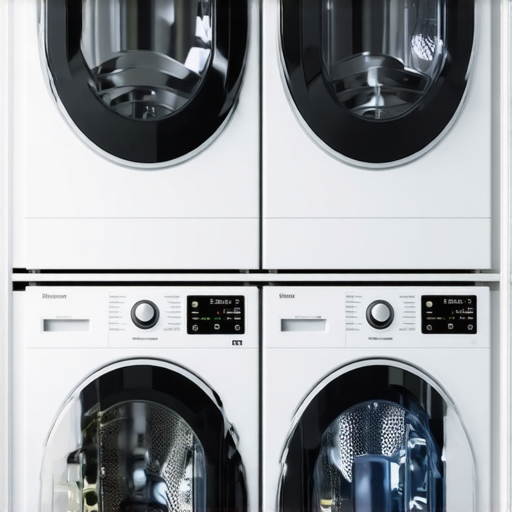
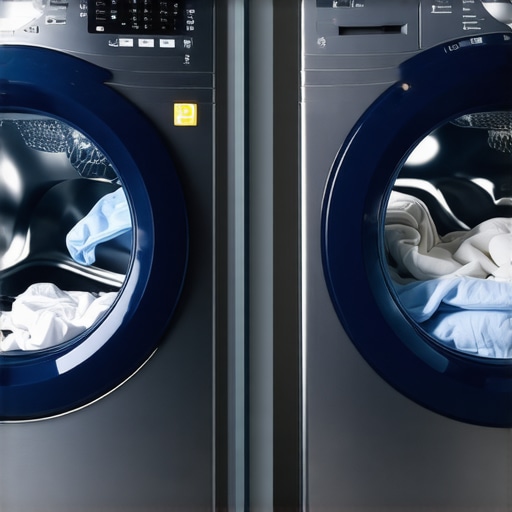
Have you ever stood in front of your laundry room, staring at a mountain of clothes, feeling overwhelmed by the choices of washer types and capacities? I remember the first time I bought a new washing machine. I was excited until I realized I had no idea whether a front load or top load would better handle my family’s laundry. The frustration of making a costly mistake hit me hard — and it’s a common story! Yet, with a little guidance from my personal experience and some trusted advice, I found the perfect fit for my needs. Today, I want to share with you how to decide between a front load and top load washer based on capacity, efficiency, and your lifestyle. By the end of this post, you’ll know what to look for to make an informed decision, saving you time, money, and laundry-day stress.
Why Your Washer Choice Matters as Much as Capacity
Choosing the right washer is about much more than just size. It impacts your laundry routine, energy bills, and even the longevity of your appliance. I used to think bigger was always better, but I learned that a machine’s capacity and type can make a real difference in how smoothly your laundry routine flows. Did you know that the wrong washer size can lead to increased energy consumption, sometimes up to 40% more, according to this expert guide? No one wants that—trust me. So, understanding your specific laundry habits and space constraints is crucial. And yes, I’ve made the mistake early on of choosing a washer that was too small or one that couldn’t handle my family’s load efficiently. That experience taught me that opting for the perfect capacity can truly transform laundry days from dreaded chores to manageable tasks.
Is Bigger Always Better for Capacity? Myths Debunked
I used to think a larger capacity meant the best value, but I quickly learned that oversizing can be just as problematic as undersizing. A machine that’s too large wastes water and energy on small loads, while one that’s too small makes you run multiple cycles. This was a mistake I made early on, and I want to save you the same headache. Instead, matching your washer’s capacity to your household’s needs is the key. Curious about what capacity suits your laundry habits? Let’s dive into the differences between front load and top load washers, so you can find your perfect match and avoid common pitfalls.
Ready to explore the specifics? Let’s look at how these two popular types compare in capacity and efficiency, and how you can use that info to make a smarter choice.
Assess Your Laundry Volume and Frequency
Start by tracking how much laundry you do weekly. For instance, I once spent a weekend washing clothes to gauge my family’s needs, discovering we wash around 10 loads per week. This hands-on approach helps you determine the capacity you’ll need. A small household might get by with a 4.2 cu. ft. top load washer, while larger families benefit from a 5.0 cu. ft. or bigger front load model. Knowing your typical load size ensures you pick a washer that reduces the number of cycles, saving time and energy. For detailed capacity recommendations aligned with household size, consult this comprehensive guide.
Match Washer Type to Your Space and Budget
Evaluate your laundry area’s space. A side-by-side analysis is like choosing between a compact SUV and a full-size truck—consider your space constraints. Front load washers tend to be more space-efficient and quieter, making them ideal for tight laundry closets. Conversely, top load washers may offer quicker loads and simpler access. My experience with installing a front load model involved measuring door openings precisely, preventing a lesson in on-the-spot mechanical adjustments. If you’re undecided, check this side-by-side comparison to see which aligns with your space and budget.
Consider Energy Efficiency and Maintenance
Energy consumption is a critical factor. Front load washers often use less water and electricity per cycle, translating into long-term savings. I noticed my front load machine’s lower utility bills after a few months. Maintenance is also key—front loaders require gasket cleaning and occasional drum care to prevent mold, while top loaders are generally lower maintenance but may use more resources. Weigh these factors based on your willingness to perform routine upkeep. For detailed insights on efficiency, visit this comparison guide.
Match Capacity to Your Specific Laundry Needs
Use your laundry habits to fine-tune your choice. If you often wash bulky items like comforters, look for a model with a higher capacity. I once tried to stuff a queen-sized comforter into a standard 4.2 cu. ft. front loader, which caused overloading issues and clothes not drying properly. Instead, selecting a machine with a larger drum avoided repeated cycles. For precise capacity recommendations, see this resource. Adjusting your washer size ensures smoother laundry days and better appliance longevity.
Test Drive Before Finalizing
If possible, test different models in-store. Pay attention to door accessibility, cycle options, and noise levels. I once visited several stores, making notes on the door swing direction and cycle durations. This hands-on trial prevented future frustration and helped me select a washer that fit my space and workflow perfectly. Remember, reading reviews can also reveal real-world performance insights. Check out this ultimate guide for additional tips on evaluating washing machines.
Many consumers assume that bigger is always better when it comes to laundry capacity, especially with front load washers, but this belief can lead to costly mistakes. A common misconception is that investing in the largest capacity available guarantees efficiency for any household, yet oversizing often results in unnecessary water and energy consumption, and can even strain your machine over time. According to a recent study by appliance efficiency experts, selecting a washer that perfectly matches your household’s actual laundry needs is the key to optimal performance and longevity.
Is Bigger Always Better for Washer Capacity or Can It Backfire?
In my experience, and supported by industry research, overestimating your required capacity can cause repeated overloading and underperformance, especially with front load models designed for specific load sizes. These machines operate most efficiently within their recommended capacity range, and exceeding it can lead to increased wear and tear, mold buildup, or inadequate cleaning. Conversely, choosing a machine that’s too small forces you to run multiple cycles, wasting water and energy. The nuance here is understanding that the ideal capacity balances household laundry volume with machine performance.
To get this right, consider your typical weekly laundry load and the types of items you wash. For example, if you regularly wash bulky bedding or large amounts of clothing, investing in a slightly larger capacity makes sense. However, for smaller households, a medium-sized washer offers the best efficiency and cost-effectiveness. For detailed guidance, I recommend reviewing this resource to match capacity with your actual laundry habits. Keep in mind, selecting the right washer type and capacity not only saves money but also prolongs your appliance’s lifespan.
Beware of the trap many fall into by chasing larger capacity models without considering space constraints or actual usage. For example, installing a massive front load washer in a small laundry closet can cause access issues and complicate maintenance. Also, some consumers assume front loaders are always more efficient—yet, if not properly maintained, mold buildup and specialized detergent requirements can turn cleaning into a chore. To avoid this, evaluate your laundry environment carefully and consider models with features that facilitate easy maintenance. For more insights on optimizing washer choice for your space, visit this in-depth comparison.
So, what’s the main takeaway? Engage in honest assessment of your laundry volume and household needs before choosing a washer. Oversizing may seem like the safe bet, but it can backfire, leading to inefficiencies and mechanical issues. Matching capacity thoughtfully ensures smooth laundry days and extends the life of your appliance. Have you ever fallen into this trap? Let me know in the comments.
How do I maintain my washing machine over time?
To ensure your front load or top load washer remains in top condition, I rely on a combination of regular cleaning routines, monitoring component wear, and using specialized tools. One tool I highly recommend is a commercial-grade washing machine descaler, which I run through my machine every few months to prevent mineral buildup that can impair performance. Additionally, I utilize a microfiber cleaning cloth and a gentle spray cleaner to wipe down the gasket and dispenser areas regularly. This dual approach stops mold growth and residue buildup, common issues with front load washers. For deeper maintenance, I schedule an annual professional inspection, where a technician will check the suspension springs, door gasket integrity, and drain pump functionality, extending the lifespan of my appliance.
In terms of software, I use a smart home integration that alerts me when the machine encounters an error or requires maintenance, helping me tackle issues before they escalate. Modern washers often have diagnostic apps; syncing these with your device allows you to run self-tests, identify faults early, and plan timely repairs. As the trend progresses toward smarter appliances, I predict maintenance tools will evolve into fully automated systems that perform self-diagnosis and even initiate remote repairs, freeing us from manual checkups.
Tools I Recommend for Effective Washer Maintenance
Beyond cleaning supplies, I trust specific maintenance kits that include the right replacement parts like door seals, hoses, and filters. When I notice increased noise or longer cycle times, I inspect these parts and replace them using high-quality OEM components, which I source from trusted suppliers. For instance, a high-efficiency water inlet valve with integrated filtration has significantly reduced mineral deposits and caused fewer water flow disruptions in my machine. Additionally, I utilize digital leak detectors on the floor beneath my washer; these small sensors alert me of leaks early, saving potentially costly repairs.
Looking ahead, I foresee a surge in AI-driven diagnostic devices that will connect directly with appliance firmware, providing real-time health reports and predictive maintenance schedules. This will dramatically reduce downtime and prevent major failures, ultimately saving money and hassle.
Invest in a Proper Maintenance Routine
Establishing a scheduled maintenance routine, including monthly gasket wipes, quarterly filter checks, and biannual professional servicing, is key to long-term washer health. Remember, a well-kept washing machine not only performs better but also conserves water and energy. To get started, try incorporating a descale process with a recommended descaler like Affresh, which I personally use. It’s simple and effective—just run it through an empty cycle and enjoy a cleaner, more efficient machine. Why not give this advanced tip a try today and see how it optimizes your laundry routine? For more detailed guidance, I suggest checking out this comprehensive maintenance guide.
The Biggest Wake-Up Call About Washer Sizes and Efficiency
One of the hardest lessons I learned was realizing that bigger isn’t always better when it comes to washer capacity. Oversized machines tend to waste water, energy, and even strain your appliance prematurely. It made me question my initial obsession with large capacities, and I want you to avoid that pitfall. Finding the sweet spot for your household means paying attention to how much laundry you actually do and choosing a machine that matches that load size. Because trust me—correct capacity choice translates into smarter energy use and longer-lasting appliances.
Tools and Tips That Changed How I Maintain My Washer
Over the years, I’ve curated a set of maintenance habits that keep my washing machine running efficiently. Using descaling products like Affresh, regular gasket cleanings, and even digital leak detectors have been game changers. These tools prevent costly repairs and help sustain optimal performance. I also love leveraging diagnostic apps built into many modern washers, showing me potential issues before they escalate. Incorporating these methods into your routine can dramatically extend your washer’s life and maximize its efficiency.
Why Taking Action Now Will Transform Your Laundry Routine
Choosing the right washer, especially with a focus on specific capacity and type, empowers you to master laundry days instead of dreading them. I encourage you to assess your needs honestly, experiment with different models, and stay proactive in maintenance. Your laundry days can become faster, cleaner, and less stressful when you align your washer choice with your household’s unique demands. Don’t wait—start today and see the difference it makes.
What’s been your biggest challenge when selecting or maintaining a washing machine? Drop your story below—I’d love to hear how you’re optimizing your laundry experience!