My Journey to Finding the Perfect Washer Capacity
Not long ago, I faced a common laundry dilemma: choosing between a front load and top load washing machine, especially when it came to capacity. Living in a busy household, I needed a washer that could handle large loads without sacrificing performance. After some trial, error, and research, I discovered that understanding washer capacity is crucial for efficient laundry routines.
Understanding Washer Capacity: Why Size Matters
When I started exploring, I realized that washer capacity isn’t just about liters or cubic feet; it’s about how much laundry I can wash in a single load. For a family like mine, a capacity of 4.5 to 5.5 cubic feet in a front load washer seemed ideal. It allowed me to wash bulky items like comforters and curtains with ease. Conversely, top load washers often come with a slightly smaller capacity, but they excel in ease of use and quick loading.
My Experience with Front Load vs. Top Load Capacity
Initially, I was drawn to top load washers because of their traditional design and shorter cycle times. However, I found that front load washers, despite their longer cycles, offered larger capacities and better energy efficiency. I learned that front load machines tend to be more gentle on clothes and can handle bigger loads, which was a game-changer for my laundry days. I also found that modern front load washers are designed to optimize capacity without compromising wash quality, as explained in some authoritative reviews like this detailed guide.
How to Choose the Right Capacity for Your Needs
Based on my experience, I recommend assessing your laundry habits before picking a washer. If you often wash bulky bedding or large families, a machine with a capacity above 4.5 cubic feet is worth considering. For singles or couples, a smaller capacity might suffice. Also, I suggest checking out detailed tips on finding the perfect capacity.
What is the real impact of washer capacity on laundry efficiency?
From my perspective, larger capacity washers save time and energy by reducing the number of loads needed. They also help in preserving fabric integrity by allowing more space for clothes to move freely during cycles. However, it’s essential to balance capacity with your living space and budget. Sometimes, a slightly smaller but more efficient machine can be a better choice.
If you’re like me, navigating through countless options can be overwhelming. I encourage you to consider your laundry volume, space constraints, and whether you prioritize energy efficiency or cycle speed. Sharing your experiences or questions in the comments can help others find their ideal washer capacity too!
What Are the Hidden Benefits of Choosing the Right Washer Capacity?
Understanding how washer capacity affects your laundry process can unlock significant time and energy savings. A well-chosen capacity ensures you aren’t wasting water, electricity, or your precious weekend hours. Larger capacity washers, for instance, facilitate washing bulky items like comforters and large towels in a single load, reducing the number of cycles needed. This efficiency not only saves resources but also extends the lifespan of your appliances by minimizing wear and tear.
Moreover, selecting the appropriate capacity influences your fabric care. Overloading a washer can lead to inadequate cleaning and increased fabric stress, while underloading wastes water and energy. Striking the right balance ensures optimal wash quality and longevity of your clothing. Expert reviews, such as those found here, emphasize that capacity is a critical factor in achieving laundry efficiency.
How Do Capacity and Space Constraints Interact?
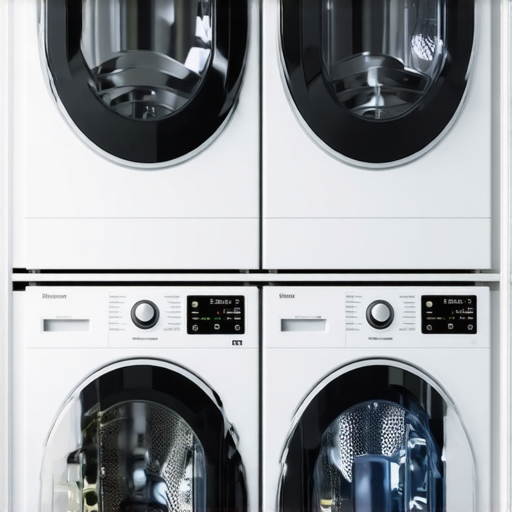
While larger machines offer undeniable benefits, they also demand more physical space and often come with higher upfront costs. Before making a purchase, consider your laundry area dimensions to avoid fitting issues. Compact apartments or laundry closets may require smaller models, which can still be efficient if you choose a machine with a capacity aligned with your typical load size. It’s worth exploring options that maximize capacity within limited space, such as stacked models or front load washers with flexible drum sizes.
To further inform your decision, check out detailed tips on finding the perfect capacity. This resource offers insights into matching washer size with household needs, ensuring you get the best value and performance.
Could Your Laundry Habits Be the Key to Optimal Capacity?
Reflecting on my own laundry routines, I realized that understanding my habits was crucial. Do I often wash large comforters or multiple towels? Or do I primarily handle small loads of everyday clothing? Answering these questions helps determine whether a larger or smaller washer suits your lifestyle. For example, families with young children tend to benefit from bigger capacities, while singles might find smaller models more economical.
Considering these nuances can prevent costly mistakes and lead to more satisfying laundry experiences. Additionally, it’s worth noting that newer models often incorporate smart technology to optimize load sensing, adjusting water and cycle times based on the actual load. This innovation further enhances efficiency and fabric care.
How Can Experts Help You Make the Best Capacity Choice?
Consulting trusted sources and expert reviews can clarify what size and features will serve you best. For instance, authoritative reviews highlight that front load washers typically offer larger capacities and better energy efficiency, especially for bigger households. Conversely, top load washers might appeal for their shorter cycle times and ease of use, despite slightly smaller capacities. Balancing these factors ensures you select a machine that aligns with your priorities.
If you’re still unsure, sharing your unique laundry needs and constraints in the comments can open up valuable advice from seasoned homeowners and appliance specialists. Remember, making an informed choice now can significantly impact your laundry routine’s convenience and sustainability.
Is Bigger Always Better? Navigating the Nuances of Washer Capacity in Real Life
As I delved deeper into understanding washer capacities, I realized that the notion of ‘bigger is better’ isn’t always straightforward. For instance, I once renovated my laundry space to accommodate a large, 5.5 cubic feet front load washer, thinking it would revolutionize my routine. Yet, I found that in a compact apartment, such a bulky machine not only overwhelmed the space but also led to increased energy consumption for small loads. This experience taught me that assessing your living environment is as critical as understanding your laundry needs. I now advocate for a balanced approach—choosing a capacity that aligns with your typical load size and available space—something I detailed in my exploration of space-efficient washer options here.
What Are the Advanced Factors Influencing Capacity Choice Beyond Volume?
Beyond just the volume of laundry, several nuanced factors influence the optimal capacity for your situation. For example, the types of fabrics you wash regularly—delicates, bulky bedding, or heavily soiled workwear—may require different load considerations. I learned this firsthand when I started washing my husband’s work uniforms, which are often bulky and dense, alongside my delicate linens. A larger capacity machine handles these diverse loads more efficiently, reducing cycle times and wear on the appliance. Additionally, newer models incorporate smart load sensing technology that dynamically adjusts water levels and cycle duration, making even smaller machines more adaptable. For an in-depth look into how these innovations optimize capacity, check out this resource.
How Do Personal Laundry Habits Shape the Ideal Washer Size?
Reflecting on my own habits, I realized that my laundry frequency and the types of items I wash most often significantly influence the right capacity. For instance, I tend to wash larger items like comforters and towels weekly, which pushes me toward a machine with higher capacity. Conversely, if your laundry often consists of small loads of everyday clothing, a smaller, more energy-efficient washer might be more suitable. This personalized approach, which I refined over years of trial and error, ensures that you’re not just choosing a machine based on capacity specs but on what truly fits your lifestyle. To help make these decisions easier, I recommend reviewing expert advice on matching capacity to your habits.
Can Technological Innovations Make Capacity Less Critical in Selection?
Absolutely. Modern washing machines are increasingly equipped with smart technology that can compensate for smaller capacities by optimizing wash cycles. Features like load sensors, adaptive wash programs, and even app-controlled adjustments help ensure efficient cleaning regardless of load size. I experienced this firsthand when upgrading to a newer model that sensed my load, adjusted water levels, and shortened cycle times without sacrificing cleanliness. These advancements are transforming how we think about capacity—no longer is it solely a matter of size but of intelligent resource management. For more on these innovations, explore this comparison of washer technologies.
What Would I Do Differently If I Were to Reconsider My Washer Purchase?
Looking back, I would spend more time evaluating my actual laundry routines before making a purchase. I’d analyze my weekly load sizes, the variety of fabrics, and my spatial constraints more meticulously. Additionally, I would prioritize a machine with smart features that adapt to my habits rather than focusing solely on capacity numbers. This approach would help me avoid the pitfalls of overestimating or underestimating my needs, saving money and hassle in the long run. If you’re contemplating a new washer, I invite you to share your experiences or questions—discussions like these often uncover practical insights that can’t be found in product specs alone. Feel free to comment below or explore more about finding the perfect capacity for your home here.
Refining My Capacity Selection with Technological Innovations
In my quest for laundry perfection, I uncovered that modern advancements significantly diminish the importance of traditional capacity limitations. Features like adaptive load sensing and smart cycle adjustments are game-changers, enabling smaller machines to deliver results comparable to their larger counterparts. For example, some high-end models utilize AI-driven algorithms to analyze load weight and fabric type, optimizing water and energy consumption for each cycle, as highlighted in the detailed review at this authoritative source. This not only enhances efficiency but also extends the lifespan of appliances by preventing overuse or unnecessary strain.
How Do You Balance Capacity, Space, and Future-Proofing?
Balancing these factors is crucial, especially in evolving households or compact living spaces. I learned that investing in a machine with slightly more capacity than current needs offers a buffer for future growth—say, a family planning for additional members or increased laundry volume. However, larger models demand more space, which might be a constraint. To navigate this, I explored stacked washer-dryer units and front load designs with flexible drum sizes, which maximize capacity without overwhelming limited spaces. For an in-depth look at space-efficient options, visit this comprehensive guide.
Can Personal Laundry Habits Be Transformed by Capacity-Enhancing Technologies?
Certainly. My own habits shifted profoundly after discovering that intelligent wash cycles could adapt to my typical load sizes. For instance, my frequent washing of bulky bedding benefited from machines that automatically adjusted water levels and cycle duration, avoiding unnecessary overuse. This personalized approach not only conserves resources but also reduces cycle times, making laundry less of a chore. Additionally, innovations like load-sensing technology facilitate handling diverse fabric types efficiently, as explained in this insightful comparison.
What Are the Hidden Costs of Overestimating Capacity?
Overestimating capacity can lead to increased energy consumption, longer cycle times, and higher upfront costs. I found that choosing a machine too large for my actual needs resulted in unnecessary energy bills and underutilized capacity, which is far from cost-effective. Conversely, undersized models might force me to run multiple cycles, wasting time and water. Therefore, a precise assessment of my laundry volume—considering both current routines and potential growth—proved essential. Expert advice from this trusted resource guided me toward an optimal balance of capacity and efficiency.
How Does Load Type Influence the Ideal Capacity?
Load composition is a critical factor. Heavy-duty workwear, bulky bedding, and delicate garments all have different requirements. I discovered that larger capacity machines handle diverse loads better, reducing cycle times and minimizing fabric stress. For instance, washing my husband’s dense work uniforms alongside delicate linens became more efficient and gentler on fabrics with a machine designed for varied load sizes. Modern models equipped with smart load sensing further refine this process, as discussed in this detailed review. Understanding these nuances helped me tailor my capacity choice to my specific fabric needs and laundry routines.
What Would I Advise to Those Reassessing Their Washer Investment?
If I could revisit my decision, I would prioritize smart features and load adaptability over raw capacity figures. Investing in a washer that intelligently senses load size and fabric type can compensate for smaller capacities, offering flexibility and efficiency. Moreover, considering future household needs and spatial constraints ensures a more sustainable and satisfying long-term investment. I invite you to share your experiences or challenges—discussions like these often reveal hidden considerations that product specifications alone can’t convey. Engage with me below, and let’s explore the best strategies for your laundry setup together.
Things I Wish I Knew Earlier (or You Might Find Surprising)
The Hidden Impact of Overloading
In my early days of choosing a washer, I underestimated how overloading could damage clothes and reduce cleaning efficiency. It took me a few ruined sweaters before realizing that proper capacity is crucial for maintaining garment integrity. Now, I always stick to the recommended load sizes to keep my clothes looking new.
Size Isn’t Everything
I used to think bigger washers were always better, especially for larger families. However, I discovered that a machine too big for my needs consumed more water and energy, and sometimes I struggled to fit it into my small laundry space. Finding the right capacity meant balancing size with practicality.
Technology Can Do Wonders
Modern washers with smart load sensing changed my perspective. These features automatically adjust water levels and cycle times, making smaller machines more efficient than I expected. It’s like having a personal laundry assistant that helps you save resources.
Space Matters as Much as Capacity
Initially, I ignored my limited laundry room and bought a large capacity machine. The result? It didn’t fit and became more of a hassle. I learned that measuring my space first is vital to choosing a machine that’s both functional and comfortable to use.
Understanding Your Laundry Habits Saves Money
Thinking about what I actually wash—like bulky bedding or delicate fabrics—helped me pick a machine with an appropriate capacity. Tailoring my choice to my routines saved me time, water, and energy in the long run.
Load Types Influence Capacity Needs
Heavy-duty workwear and delicate linens require different load considerations. A versatile washer with adjustable capacity options made my laundry routine smoother and gentler on fabrics, which I appreciated after some trial and error.