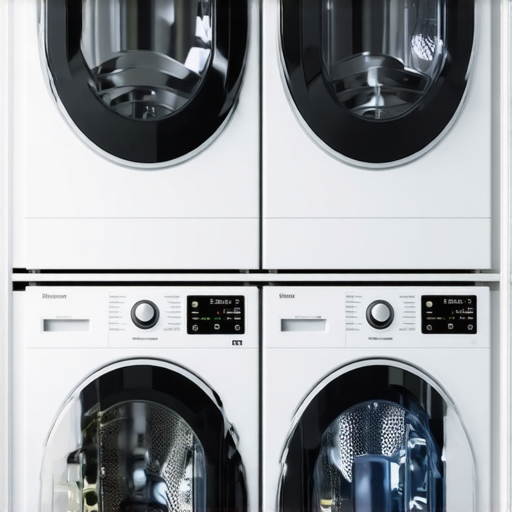
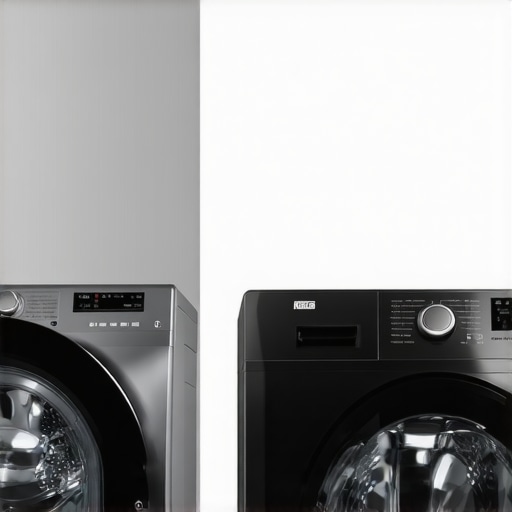
I remember the exact moment I overloaded my washing machine and ended up with a mountain of soaked, tangled clothes. It was a frustrating day, the kind where you question every decision, especially when it comes to choosing the right laundry washer. That lightbulb moment made me realize how crucial washer capacity really is—not just for the size of your laundry load, but for your time, energy, and even your clothes’ lifespan.
Why Choosing the Right Washer Capacity Changes Everything
Getting the perfect capacity isn’t just about fitting all your laundry in one go. It impacts how efficiently your machine works, how much water and electricity it consumes, and how long your clothes stay in good condition. A model that’s too small forces you to do more loads, wasting water and energy, while a machine that’s too large can be an unnecessary expense and take up precious space.
Early in my search, I made the mistake of assuming bigger was better. I opted for a large-capacity front load washer, thinking it would save me trips to the laundromat. But I didn’t pay attention to my actual laundry habits. Turns out, I was overestimating my needs, and my machine was sitting idle often. That misstep taught me a valuable lesson: understanding your laundry volume and style is essential.
Research shows that choosing a washing machine with the right capacity can reduce water and energy use by up to 50%. That’s not just saving your utility bills but also helping the environment.
If you’ve ever felt overwhelmed standing in front of a sea of washer options, unsure which capacity suits your household, you’re not alone. That’s exactly what I’ll help you figure out today. We’ll examine the key factors to consider and clear up common misconceptions, making your decision much simpler.
Ready to stop guessing and start washing smartly? Let’s dive into how to determine the capacity that matches your laundry life.
Calculate Your Laundry Load to Find the Perfect Fit
Start by gathering your laundry over a week. Count how many baskets or loads you do regularly. For instance, if you typically do 3 loads of mixed clothes weekly, estimate the total weight in pounds or kilograms. Use a simple scale at home if possible—this offers the most accurate data. Once you have your weekly total, divide by the number of loads to find your average load size. For example, 30 pounds divided by 3 loads equals roughly 10 pounds per load. Your goal is to choose a machine with a capacity exceeding this average slightly to allow for bulkier items without overloading.
Observe Your Washing Habits for Real-World Insights
Think back to how you load your washer. Do you tend to cram it full, or load it loosely? Overloading can damage your clothes and reduce cleaning efficiency. A good rule of thumb is filling the drum about three-quarters full for front load washers, and for top load machines, leaving some space at the top of the drum. This space ensures water and detergent circulate properly, providing a thorough clean and extending your machine’s life. I once tried fitting my week’s laundry into a large-capacity front load machine, only to find it didn’t clean evenly because I overloaded it—lesson learned, and a reminder to respect capacity limits.
Match Your Household Size and Laundry Style
Your household size directly affects your ideal washer capacity. Singles or couples often find a machine of 4.2 to 4.5 cubic feet sufficient, while families may need 4.8 cubic feet or more. Consider whether you prefer washing bedding or bulky items frequently; larger capacities handle these better. If you often wash comforters and towels, opt for a model with higher capacity. Conversely, if your laundry mainly consists of casual clothes, a smaller machine might suffice, saving space and energy.[https://washers.smartappliancereview.com/ultimate-guide-to-choosing-the-best-washing-machine-between-front-and-top-load-in-2025](https://washers.smartappliancereview.com/ultimate-guide-to-choosing-the-best-washing-machine-between-front-and-top-load-in-2025) offers detailed capacity recommendations based on household size.
Assess Space and Energy Efficiency Needs
Measuring your laundry area helps determine the maximum size you can install. While bigger machines load more clothes, they often consume more energy and water per cycle. However, modern high-capacity washers are engineered for efficiency, often reducing overall utility costs. If space is tight, a front load washer with a 4.2 cubic feet capacity provides a balance between size and effectiveness. For larger households, a 4.8 cubic feet or greater capacity ensures you won’t need to do multiple loads.[https://washers.smartappliancereview.com/choosing-the-right-laundry-washer-top-load-vs-front-load-capacity-tips-2025](https://washers.smartappliancereview.com/choosing-the-right-laundry-washer-top-load-vs-front-load-capacity-tips-2025) discusses how to evaluate your space versus capacity needs.
Test and Adjust to Find Your Ideal
After selecting a machine based on your calculations and observations, run a typical load to see how it fits and cleans. If clothes are tightly packed or unevenly washed, reconsider capacity—perhaps you need something slightly larger. Conversely, if a smaller machine provides clean clothes without overloading, you’ve struck the right balance. This real-world test helps fine-tune your choice for long-term satisfaction. Remember, always follow manufacturer loading guidelines to avoid damage and ensure longevity.[https://washers.smartappliancereview.com/best-washer-capacity-tips-choosing-front-load-or-top-load-laundry-machines](https://washers.smartappliancereview.com/best-washer-capacity-tips-choosing-front-load-or-top-load-laundry-machines) provides practical tips to optimize your machine’s capacity.
By systematically measuring, observing, and testing your laundry habits, you’ll pinpoint the washer capacity that maximizes efficiency, conserves resources, and keeps your clothes in top shape. Mastering this process turns an overwhelming decision into a straightforward choice tailored specifically for your household.Many laundry enthusiasts believe that selecting a larger washing machine automatically means better efficiency and convenience, but this oversimplifies a complex issue. In reality, a top load washer with a capacity that’s too big for your typical laundry volume can lead to energy wastage and increased utility bills due to unnecessary water and electricity consumption. Moreover, oversized machines may not clean clothes as effectively if overloaded or underutilized, which is a common mistake when choosing between front load washers and top load washers. Interestingly, some believe that front load washers always outperform top load models in capacity, but this isn’t universally true. Advanced front load washers in 2025 now offer comparable capacities to top load units, providing flexibility and efficiency for various household needs. Be cautious about sizes advertised as ‘extra-large’—these can be misleading if they don’t match your actual laundry habits, leading to the so-called ‘paradox of choice,’ where bigger isn’t necessarily better. Additionally, many overlook the importance of drum space utilization versus capacity rating; a machine with high capacity but poor load distribution can underperform, leaving clothes improperly cleaned. This nuance is often missed in marketing materials, so it’s essential to look beyond the labels and consider your specific laundry patterns. Research indicates that matching your laundry volume closely with machine capacity can reduce detergent wastage and prevent mechanical stress, extending your washing machine’s lifespan. A common myth is that bigger machines always mean fewer loads, but if your household’s laundry needs are modest, a medium-sized washer can perform just as efficiently, avoiding unnecessary energy consumption. When selecting between front load washers and top load washers, remember that capacity isn’t the only factor—consider efficiency ratings, cycle options, and space constraints. To make an informed decision, analyze your typical laundry size and frequency carefully; sometimes, opting for a machine with slightly lower capacity but higher efficiency yields better long-term savings. Remember, the goal is to find a washer that fits your lifestyle, not just the biggest one available. Do you ever fall into the trap of overestimating your needs? Let me know in the comments. For a detailed comparison on how front load and top load washers differ in capacity and efficiency, check out this comprehensive guide.Maintaining your washing machine’s performance over the years requires a combination of smart practices and quality tools. I personally rely on a few key items and methods that have proven effective in my experience. First, I always keep a high-quality cleaning solution like Affresh or Tide Washing Machine Cleaner on hand. Regularly running a cleaning cycle with these detergents helps prevent mold, detergent buildup, and foul odors that can compromise washing efficiency. For front load washers, which are prone to odors due to their sealed drum design, I schedule a cleaning cycle once a month to maintain freshness. Additionally, I use a microfiber cloth and a soft brush to regularly clean the door gasket and detergent dispenser drawer, areas that can harbor grime. This routine reduces the risk of clogs and leaks, extending the life of the machine.
Beyond cleaning, I invest in a good set of tools for minor repairs. A digital multimeter helps me troubleshoot electrical issues quickly, saving me costly service calls. I also keep replacement parts like door seals and water filters handy, as they are often the first to wear out. Being proactive with parts replacement prevents bigger problems down the line.
On the software side, I utilize a maintenance app that tracks cleaning schedules and alerts me to routine tasks. Some brands like Samsung’s Smart Washer app or LG’s SmartThinQ provide diagnostic features that simplify troubleshooting. I highly recommend setting up alerts and scheduling regular maintenance through these apps—they make keeping your washer in prime condition effortless.
When it comes to long-term results, the key is consistency. By sticking to a maintenance routine and using the right tools, your washer continues to operate efficiently, conserving energy and water and safeguarding your clothing investment. I predict this trend of smart maintenance tools will only grow, incorporating AI diagnostics and predictive analytics to anticipate issues before they happen, as discussed in recent tech summaries here.
### How do I maintain my washing machine over time?
One tip I swear by is to routinely check and clean the filter and drain pump. Clogged filters can lead to poor drainage and longer cycle times, putting extra strain on the motor. According to technical documentation from appliance manufacturers, these components are vital for smooth operation—regular inspection can identify issues early. Incorporate a monthly check using a simple wrench and flashlight, and you’ll catch problems before they escalate.
Try scheduling bi-monthly cleaning cycles and keeping those filters clear; it’s an advanced tip that significantly prolongs your machine’s lifespan. Investing in a few dedicated tools and apps might seem small, but the payoff is a washer that runs efficiently for years to come, saving you money and headaches in the long run. If you’re interested in a comprehensive approach, exploring the full range of maintenance strategies available in detailed guides like this one can further solidify your routine.
Lessons That Changed My Laundry Approach Forever
One unexpected insight I gained was how much overestimating your washer’s capacity can backfire. I once tried gym bag-sized loads into a giant front load, only to realize my clothes weren’t getting properly cleaned, and my machine was working overtime. That lightbulb moment reinforced that size isn’t everything—matching capacity with real habits is key.
Another lesson I learned was to respect the guidelines for load weight and drum filling. Overstuffing, even in a larger machine, hampers cleaning and can damage your washer. It’s tempting to cram in as much as possible to save time, but efficiency and longevity come from moderation and proper load distribution.
Finally, I discovered that understanding your laundry cycle frequency and common loads can help you choose the perfect washer capacity. Knowing whether you wash bedding often or mainly casual clothes drastically influences the ideal size, saving energy and extending your clothing’s life.