It was a typical Saturday morning when I finally hit a breaking point during laundry. Clothes piled high on my laundry room floor, and I could feel the frustration building. I looked at my aging washing machine, crammed to the brim with mismatched loads, struggling to keep up with my family’s chaos. That moment was a lightbulb—my washer’s capacity was not just a number; it was a silent culprit in my never-ending laundry battles. If you’ve ever felt overwhelmed trying to squeeze everything into your machine or hesitated between a top load and a front load because of conflicting advice, you’re not alone.
Why Choosing the Right Washer Capacity Matters More Than Ever
In 2025, the debate about top load versus front load washers isn’t just about features; it’s about how efficiently they handle your everyday laundry needs. The right capacity means fewer loads, less energy usage, and saving your sanity. But here’s the catch: many of us pick a washer based on a quick sale or a shiny feature, only to realize later that it doesn’t match our laundry size or lifestyle. According to a recent report by the U.S. Department of Energy, choosing an appropriately sized washer can reduce energy consumption by up to 25%, which is both eco-friendly and wallet-friendly.
If you’re wondering whether your current washer fits your needs or considering an upgrade, understanding capacity is crucial. The goal isn’t just to buy the biggest machine but to find one that matches your laundry habits. Thinking about capacity the right way could save you time, money, and frustration.
Have you ever faced a laundry mess because your machine couldn’t keep up? If so, keep reading. We’ll dive into how to assess the capacity you truly need, compare top load and front load options, and make an informed choice that supports your lifestyle. Whether you’re a busy parent, a single professional, or just tired of shoving clothes in every nook, this guide is about making laundry less of a chore.
And if you’re skeptical about all this capacity talk—don’t worry. I made my fair share of mistakes early on, like choosing a front load machine that was too small, which led to more loads and wasted energy. You can avoid these pitfalls by learning what truly matters when selecting a washer in 2025. For a comprehensive look into the best options, check out [this comparison of front load versus top load washers](https://washers.smartappliancereview.com/best-washing-machines-2025-front-load-vs-top-load-washer-comparison). Now, let’s explore how to figure out the right capacity for your laundry needs.
Assess Your Laundry Load Size Head-On
Start by quantifying your typical laundry load. Gather your piles of clothes from a week and measure approximately how many pounds they weigh. A practical rule is that a standard towel weighs about 1.5 pounds, so if you regularly wash a basket of towels or multiple sets of bedding, factor this into your calculation. When I did this myself, I noticed I was attempting to clean things in loads that exceeded my washer’s capacity, leading to multiple cycles and wasted energy. By weighing or estimating my weekly laundry, I could match my washer’s capacity to handle this load comfortably, reducing the number of cycles and saving time.
Match Capacity to Your Laundry Frequency
Consider how often you do laundry and the size of your household. For instance, a family of four might require a machine with a capacity of 4.5 to 5.5 cubic feet, allowing for larger, more efficient loads. Conversely, a single person or couple might find a 3.5 to 4.0 cubic foot washer sufficient. This is akin to choosing a backpack size: larger families need bigger backpacks (or washers) to pack efficiently without overload. When I upgraded from a small to a larger capacity washer, I was able to wash entire bedding sets in a single load, greatly improving efficiency. To fine-tune your choice, consult detailed guides like this [washer capacity tips](https://washers.smartappliancereview.com/best-washer-capacity-tips-choosing-the-right-front-or-top-load-washers).
Identify the Best Type: Top Load or Front Load
Next, decide between a top load washer and a front load washer based on your space, budget, and preferences. Top load machines are generally more accessible and quicker for small loads, while front load washers tend to be more energy-efficient and gentle on clothes. Imagine a top load as a pot that you push ingredients into, quick to load and unload, but sometimes less gentle; a front load is like a drawer, requiring a gentle slide, but offering better capacity and cleaning power. I initially chose a top load for its convenience, but later switched to a front load to handle bigger loads more efficiently. To understand which suits your needs, review this comprehensive [front load vs. top load comparison](https://washers.smartappliancereview.com/best-washing-machines-2025-front-load-vs-top-load-washer-comparison).
Factor in Energy and Water Efficiency
Once you’ve selected a capacity range, analyze each model’s efficiency ratings. Larger machines can save you energy by reducing the number of loads. Think of it as having a bigger bucket; fewer trips are needed to fill it. When I invested in a high-efficiency front load washer with a capacity of 4.5 cubic feet, I noticed significant reductions in my utility bills, and my laundry time decreased. For precise insights, explore this [ultimate guide to washer efficiency](https://washers.smartappliancereview.com/ultimate-guide-to-choosing-the-right-laundry-washer-capacity-efficiency-tips-2025).
Test the Fit with Your Space and Routine
Before finalizing your choice, measure your laundry area to ensure the machine fits comfortably, with space for door clearance, ventilation, and ease of use. You can even simulate the process: load your selected washer model with laundry to see if it feels manageable. Remember, a machine that’s too big might dominate your space, while one too small could frustrate your routine, prompting multiple cycles. I once bumped into this issue when I purchased a massive front load machine but lacked the space for easy loading, which discouraged me from using it regularly. Use this [best washer capacity guide](https://washers.smartappliancereview.com/best-washer-capacity-for-laundry-front-load-vs-top-load-guide-2025) to help visualize what fits best in your environment.Many consumers assume that bigger is always better when it comes to washing machine capacity, but that’s a misconception worth debunking. The prevalent belief that selecting the largest possible washer will save time and energy isn’t entirely accurate. In reality, oversizing your machine can lead to inefficiencies, such as longer fill cycles and increased water and electricity consumption. Conversely, choosing too small a capacity causes frequent loads, which can cumulatively waste more resources and extend your laundry time. A nuanced understanding of your actual laundry habits is essential to select the optimal capacity. Experts, including those featured in reputable appliance guides, warn against the ‘bigger is better’ fallacy, emphasizing that an appropriately sized washer tailored to your household’s needs promotes efficiency and longevity of appliances. Be cautious of the trap where buyers focus solely on capacity numbers without considering load size and frequency; this oversight often results in suboptimal performance and higher utility bills. For instance, a common mistake is purchasing a front load washer labeled with a high cubic feet capacity, assuming it will handle all loads effortlessly, but neglecting to assess whether it matches your typical weekly laundry volume. To avoid this pitfall, measure your average load sizes and consult comparative guides on best washer capacities for different household sizes. Recognizing this nuance ensures you don’t fall prey to myths that bigger is inherently better but instead make informed decisions that maximize efficiency. Want to master choosing the right washer size? Dive into this helpful resource on [washer capacity tips](https://washers.smartappliancereview.com/best-washer-capacity-tips-choosing-the-right-front-or-top-load-washers) and select your ideal machine with confidence. Remember, understanding the advanced intricacies of washer capacity can lead to significant savings and a smoother laundry experience. Have you ever fallen into this trap? Let me know in the comments.
Keeping Your Washing Machine Running Smoothly
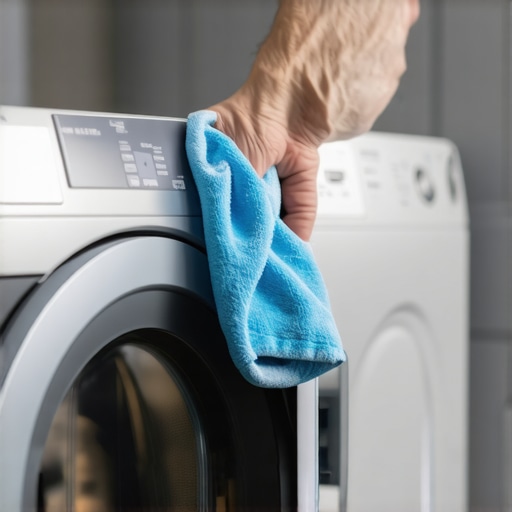
To ensure your washing machine stays efficient and reliable over the years, regular maintenance is key. I personally rely on a set of specific tools and routines that have saved me time and costly repairs. One essential tool is a high-quality microfiber cloth, which I use weekly to wipe down the door seal and detergent drawer. This simple step prevents mold buildup and keeps my front load washer smelling fresh. Additionally, I swear by a specialized drain-cleaning brush to clear out any debris that might accumulate in the filter or lint trap, ensuring optimal water flow.
For routine deep cleaning, I use a commercial washing machine cleaner, but I prefer products that contain natural enzymes rather than harsh chemicals. Running an empty hot water cycle with this cleaner every four to six weeks helps remove soap scum and mineral deposits, which can impair performance. A digital infrared thermometer is another useful gadget I keep on hand to monitor the temperature of the wash cycles, ensuring my machine isn’t overheating or underperforming due to faulty heating elements.
As technology advances, many manufacturers introduce smart diagnostic tools that can alert you to developing issues before they become serious. For my own setup, I utilize an appliance diagnostic app recommended by industry experts, which connects to my washer via Wi-Fi and provides detailed maintenance alerts and troubleshooting tips. These tools can predict potential failures, prolonging your machine’s lifespan and saving money in the long run.
How do I maintain my washing machine over time?
The trend is moving towards integrating IoT-enabled maintenance solutions, allowing for real-time monitoring and automated alerts. Looking ahead, I believe appliances will become even smarter, perhaps with self-cleaning capabilities and predictive repairs based on diagnostic data. To keep pace with this evolution, I suggest investing in a good-quality appliance diagnostic app and subscribing to manufacturer updates for firmware improvements.
One of my favorite advanced tips is to schedule bi-monthly cleaning cycles with a vinegar and baking soda mixture to naturally break down residues without chemical cleaners. It’s simple, effective, and environmentally friendly. Try incorporating this routine into your maintenance schedule—you might be surprised at how much it prolongs your machine’s healthy operation.
What I Didn’t Expect About Choosing the Perfect Washer Capacity
Choosing the right washer capacity taught me that bigger isn’t always better; it’s about fitting my household’s unique needs. I used to believe larger machines meant fewer loads, but I discovered they can lead to longer wash cycles and higher energy use, which wasn’t efficient for my routine. Realizing this shifted my approach, prompting me to evaluate exactly what size suits my laundry habits best, saving me both time and money.
My Favorite Tools for Maintaining Peak Washer Performance
Over the years, I’ve relied on simple yet effective tools like a microfiber cloth to prevent mold, a drain cleaning brush to keep pipes clear, and natural cleaning routines with vinegar and baking soda to prolong my washer’s lifespan. Investing in a smart diagnostic app has been a game-changer, letting me address small issues before they turn into costly repairs. These strategies have empowered me to keep my laundry machine running smoothly, even with daily use.
Embracing a Smarter Laundry Future
The journey has been learning that selecting a washer with appropriate capacity and efficiency features makes a significant difference in daily life. As appliances evolve, I look forward to smarter, self-maintaining machines that understand my routines and alert me to issues proactively. If you’re ready to make an informed choice that enhances your laundry experience, consider diving into detailed guides or consulting trusted reviews — your future hassle-free laundry awaits!