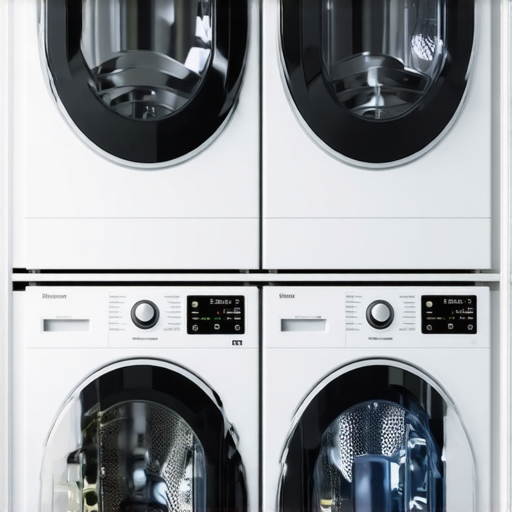
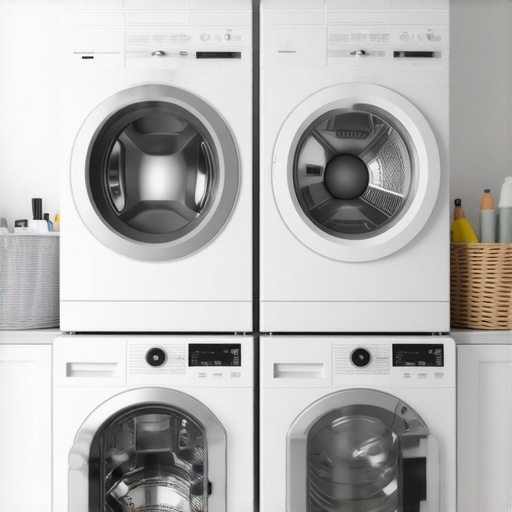
Have you ever stood in front of your laundry room, staring at your washing machine, and felt that sinking frustration when it can’t quite handle that mountain of clothes or bulky bedding? I remember the first time I bought a washer. I was lured by sleek features and fancy cycles, but I overlooked one crucial detail: capacity. The result? Multiple loads, wasted time, and a lingering sense that I’d made a mistake.
Why Your Washer Choice Can Make or Break Your Laundry Routine
Choosing the right laundry washer isn’t just about aesthetics or brand reputation; it’s about efficiency, convenience, and even saving money. An ill-suited washer can turn laundry day into a marathon, while the perfect fit can make it almost enjoyable. Based on personal experience and extensive research, I’ve learned that there’s no one-size-fits-all answer. Instead, understanding your specific needs — how much laundry you typically do, the types of clothes, and your space — is key.
In fact, a recent study highlighted that households equipped with appropriately sized washers use significantly less water and energy (source: Ultimate Guide to Washer Capacity). That’s a win for your wallet and the environment.
Have you ever bought a washer that seemed perfect at first, only to find it’s too small or too big for your needs?
If so, you’re not alone. I made this mistake early on, thinking size was just a number. It isn’t. Size impacts how many clothes you can wash at once, how often you need to do laundry, and how much energy and water you’ll consume. Getting this right can make laundry less of a chore and more of a breeze.
Next, I’ll guide you through the most important factors to consider when choosing your washer, including capacity, type, and features. By the end, you’ll be equipped to pick a machine that fits your lifestyle perfectly. Ready to stop laundry frustrations in their tracks? Let’s dive in.
Measure Your Laundry Load Accurately
Start by evaluating how much laundry you typically do in a week. I once underestimated my needs and bought a small top load washer, only to find myself doing multiple runs every week. To avoid this, gather a typical load of clothes, towels, and bedding, and weigh or measure it. This gives you a concrete idea of the capacity you need.
Select the Right Type of Washer for Your Space and Lifestyle
Decide between a front load and a top load washer. Front load machines are generally more efficient and gentle on clothes but may require more space and a higher upfront cost. Top load washers are often more affordable and easier to load but might use more water and energy. Consider your kitchen or laundry room layout and your physical needs. For example, if bending is difficult, a top load might be better.
Compare Capacity Options Carefully
Look at the capacity in cubic feet, which indicates how much laundry fits comfortably. For a family of four, a washer with at least 4.5 cu ft is recommended. If you often wash bulky items like comforters, aim for 5.0 cu ft or more. Remember, larger capacity washers can handle bigger loads but may cost more and use more water if not fully loaded. Check out the washer capacity guide for detailed comparisons.
Match Capacity and Efficiency
Opt for a machine that balances capacity with efficiency. A larger washer that isn’t filled will waste water and energy. Conversely, a small washer overloaded regularly can strain the motor and reduce lifespan. Use the capacity and efficiency tips to select a model that suits your laundry volume without excess waste.
Evaluate Features That Enhance Your Laundry Routine
Beyond size, consider features like cycle options, water level controls, and energy ratings. For instance, if you frequently wash delicate fabrics, a machine with gentler cycles and load sensing is beneficial. If you prefer quick washes, look for models with fast cycle options. Remember, a machine with features aligned to your needs simplifies laundry tasks.
Test Your Chosen Machine
Once you’ve selected a model, test it with a typical load. Observe how well it handles your laundry volume, and check if the cycles meet your expectations. Adjust settings if needed. This step ensures the washer truly fits your lifestyle, saving you time and frustration in the long run.
By carefully measuring your needs, comparing capacities, and choosing the right type and features, you’ll turn laundry from a chore into a manageable routine. Remember, the key is balance: enough capacity to handle your laundry load efficiently without unnecessary waste.
Many laundry enthusiasts and even some seasoned homeowners fall into traps when choosing or using washing machines, often based on misconceptions. Let’s dig deeper into what most people get wrong about washers, especially regarding front load, top load, and capacity. Understanding these nuances can save you time, money, and frustration.
Why Bigger Isn’t Always Better for Capacity
One of the most pervasive myths is that larger capacity washers are inherently better. While they can handle bigger loads, oversizing can lead to inefficiencies. An oversized machine running with a small load wastes water and energy, as it’s designed to use a certain amount of resources per cycle. Conversely, choosing a machine too small for your typical laundry volume results in more cycles, increasing wear and tear and overall costs. The key is to find a balance based on your actual laundry needs. For a detailed comparison, check out the washer capacity guide.
Advanced Mistake: Ignoring Wash Cycle Nuances
Many consumers select washers based solely on capacity or brand reputation, neglecting the importance of cycle options. Modern washers, especially front load models, offer a variety of cycles designed for specific fabrics and soil levels. Overlooking this can lead to damage or poor cleaning results. For example, a cycle optimized for delicates can extend the lifespan of your clothes, while quick wash modes save time without compromising cleanliness when used appropriately. To maximize efficiency, pick a machine that offers versatile cycle options matching your laundry habits. More details are available in the ultimate guide to washer efficiency.
Beware of the Bending Trap
Another common mistake involves the physical placement of your washer. Many assume that front load washers are universally better, but if your laundry space requires bending or awkward positioning, a top load may be more practical. Not considering your physical space and ergonomics can lead to discomfort or the temptation to overload or underuse your machine. When choosing between a front or top load, evaluate your space and physical needs carefully, as discussed in the top load vs front load washer guide.
What Advanced Shoppers Should Ask
If you’re a more sophisticated shopper, consider the following: How does the washer perform with mixed loads? Does it have load sensing technology that adjusts water levels? Are the energy ratings truly reflective of real-world savings? The latest studies show that washing machines equipped with intelligent load sensing can reduce water and energy consumption by up to 30%, a significant saving over time. For those interested in maximizing efficiency and longevity, exploring these features is crucial. Learn more about these innovations in the efficiency tips for washers.
Have you ever fallen into this trap? Let me know in the comments, and remember: understanding the hidden nuances leads to smarter, more satisfying laundry choices.
Keeping your washing machine in top shape requires more than just occasional cleaning; it involves using the right tools and following a consistent maintenance routine. Over time, even the most reliable laundry washers can develop issues such as mold buildup, drainage problems, or mechanical wear. To prevent costly repairs and extend the life of your machine, I recommend investing in specific tools and adopting proven maintenance methods.
How do I maintain my laundry washer over time?
One of my go-to tools is a high-quality drain snake, which I use quarterly to clear any buildup in the drain hoses. Clogged drainage is a common culprint for washing machine malfunctions, especially in front load models prone to lint and detergent residue accumulation. Additionally, a microfiber cloth and a gentle cleaner are essential for wiping down door seals and detergent dispensers, preventing mold and soap scum. Regularly inspecting these areas can save you from foul odors and potential leaks.
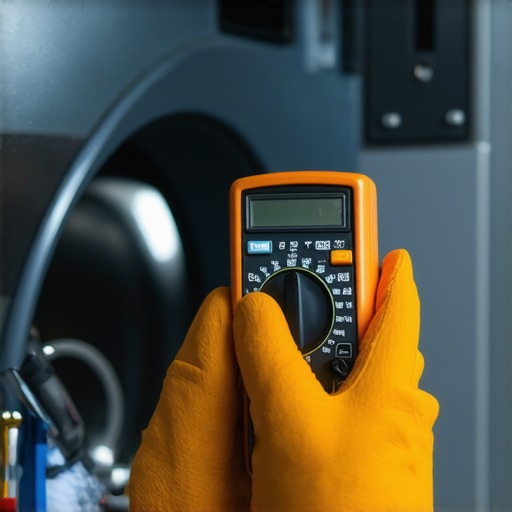
Another indispensable item is a digital multimeter. I use mine to troubleshoot electrical issues, such as faulty door switches or control boards, before calling in a technician. Modern washers, particularly high-efficiency models, are sophisticated machines with electronic components that can sometimes be tested and reset with basic tools. A multimeter helps me identify whether the problem is electrical or mechanical, saving time and money.
For cleaning the drum and internal components, I rely on a washing machine cleaner that is specifically formulated to remove mineral deposits and mold spores. I run a cleaning cycle with this product once a month, especially if I notice odors or decreased efficiency. Additionally, using a water softener or descaler periodically can mitigate mineral buildup, particularly if you have hard water. This practice ensures your washer’s long-term performance remains optimal and prevents capacity issues caused by scale accumulation.
What about software and smart maintenance?
In the era of smart appliances, I highly recommend utilizing the manufacturer’s app or built-in diagnostic tools if available. These often provide maintenance alerts, error codes, and troubleshooting steps. For example, some front load washers now come with load sensing technology that optimizes water and energy use, but it’s essential to keep the sensors clean and calibrated. Regular updates via the app can keep your washer functioning efficiently and extend its lifespan.
Looking ahead, the trend in laundry machines is moving toward more intelligent, self-maintaining systems that can alert homeowners to issues before they become serious. Incorporating these tools and practices today prepares you for a future where your washer will require less manual intervention and deliver consistently better results.
Try this advanced tip today
Set a monthly maintenance schedule that includes running a cleaning cycle, inspecting hoses and seals, and using diagnostic tools to check for potential issues. By doing so, you’ll not only maintain optimal washer capacity and performance but also avoid unexpected breakdowns. Remember, proactive care is the best way to keep your laundry washer running smoothly for years to come.
< >
>
Lessons I Didn’t Expect to Learn About Washer Capacity
- One of my toughest lessons was realizing that bigger isn’t always better. Oversized washers waste resources if not fully loaded, while smaller ones can cause endless cycles. Finding that sweet spot took trial, error, and a lot of learning.
- I used to think front load washers were superior, but I overlooked how space and physical comfort matter. A front load might be perfect for some, but a top load can be more practical if bending is an issue or space is tight.
- Cycle versatility is crucial. Not all washers have the same options, and choosing a model that offers gentle, quick, and heavy-duty cycles can save time and extend your clothes’ lifespan.
- Maintenance isn’t just about cleaning; it’s about understanding your machine’s sensors and internal parts. Regularly inspecting hoses, seals, and electronics can prevent costly repairs and ensure your washer performs at its best.
- Smart features like load sensing and diagnostic tools can make your laundry routine more efficient, but only if you understand how to use and maintain them properly.
Tools and Resources That Changed My Laundry Game
- Smart Appliance Review’s Ultimate Guide to Washer Capacity: This cornerstone guide helped me understand exactly what size fits my family’s needs and how to avoid common pitfalls. It’s my go-to resource for making informed decisions.
- Energy Star Rating Website: Trustworthy for verifying how energy-efficient a washer truly is, saving me money and helping the environment.
- Manufacturer’s App and Diagnostic Tools: These digital resources can alert you to issues early and guide you through simple troubleshooting steps, often avoiding service calls.
- Local Appliance Experts and Reviews: Hearing real-user experiences from trusted sources helped me pick models that actually perform well in everyday life rather than just on paper.
Your Next Laundry Triumph Starts Today
Choosing the right laundry washer may seem daunting, but with the right knowledge, it becomes a straightforward, even enjoyable, process. Remember, the best washer for you balances capacity, efficiency, and features tailored to your lifestyle. Don’t wait for laundry frustrations to pile up—take action now and transform your routine into a seamless part of your day. Your perfect laundry partner is out there—go find it!
What was your biggest surprise when selecting a washer? Share your story below—I’d love to hear how you navigated this journey!
This post resonated with me because I once bought a compact washer for my small apartment, expecting it to handle all my laundry needs. Turns out, I was doing multiple runs weekly, which was frustrating and inefficient. I realized the importance of measuring my typical laundry loads – especially when it comes to bulky items like comforters. Now, I prioritize capacity and choose models that accommodate my needs without wasting resources. I also learned the hard way that fancy features are great, but they don’t replace thoughtful capacity planning.
One thing I’d love to hear from others is how they determine the right balance between capacity and energy efficiency, especially in smaller spaces or for larger families. Do you have specific tips or metrics you rely on before making a purchase? I believe that understanding this balance is key to making smarter, more satisfying laundry decisions and avoiding costly mistakes.