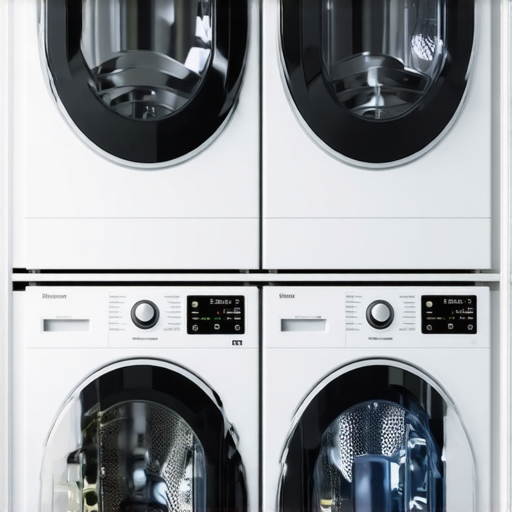
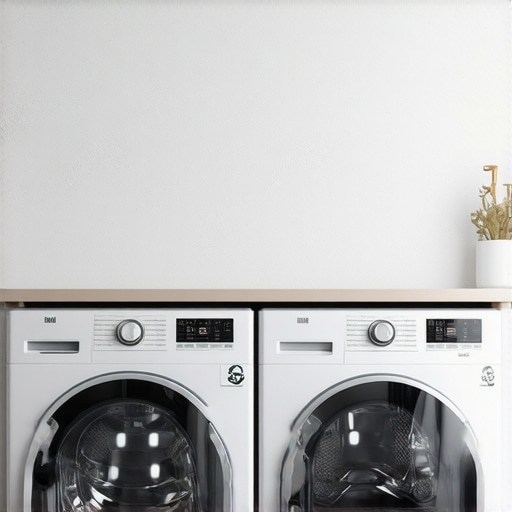
Ever faced that moment where you’re knee-deep in laundry, only to realize your washer just can’t handle the load? Maybe it was the mountain of towels from a family trip or the giant comforter that barely fit in your old machine. That lightbulb moment—when you realize your current washer isn’t quite right—can be frustrating. I remember the first time I overloaded my top load washer, only to find out it didn’t clean properly and left me with a mountain of damp clothes. That mistake taught me a lot about the importance of choosing a washer with the right capacity. Today, I want to share what I’ve learned about washer capacities, especially the differences between top load and front load models, so you won’t make the same mistake.
Why Your Laundry Routine Depends on Washer Capacity
Does Bigger Always Mean Better for Your Laundry Needs?
Picking the right washer isn’t just about size; it’s about understanding how capacity affects cleaning efficiency, energy use, and your time. A washer that’s too small will make you run multiple loads for a single giant load, wasting water and electricity. On the other hand, a machine too large for your needs can take up unnecessary space and cost more upfront. I initially thought bigger was better, but after some trial and error, I discovered that the right capacity makes all the difference. According to a study by the U.S. Department of Energy, choosing the right-sized washer can reduce energy consumption by up to 25%. That’s a big deal when you’re trying to save on utility bills and reduce your environmental footprint.
So, how do you find that sweet spot? That’s what we’re here to figure out. Whether you’re upgrading your laundry setup or buying your first machine, understanding the nuances between top load and front load washers is crucial. Want to know which one fits your lifestyle best? I’ve got you covered. Check out this ultimate guide that walks you through the key differences and helps you decide.
Pick Your Washer Size Like a Pro
Start by measuring your laundry habits. Did I once fill my old top load washer to the brim with towels after a weekend trip? Yes, and the results were a disaster—clothes didn’t clean well, and I had to run an extra load. To avoid that mess, I measured my typical laundry loads. Use a measuring tape to determine the drum’s diameter and depth. Think of your washer as a large bucket—if it’s too small, you’ll be running multiple loads; if too big, you’ll waste energy. Check the manufacturer’s capacity ratings, usually in cubic feet, to match your needs. For example, a 4.5 cu ft front load washer can handle most family loads efficiently. For more detailed comparisons, visit this guide.
Match Your Laundry Volume to Capacity
Estimate your weekly laundry. Do I wash a load of bedding and a separate one for daily clothes? If so, a larger capacity—around 5.0 cu ft—can handle bulky items without splitting loads. When I upgraded to a 4.8 cu ft front load washer, I noticed I saved time and water, because I could wash more at once. Think of capacity like a gym bag: a small bag for daily essentials, a large one for weekend trips. Overloading a washer causes clothes to tangle or not clean properly, much like cramming too much into a small backpack. For optimal results, keep loads to about 80% of your machine’s capacity. For tailored advice, check out this comprehensive guide.
Choose Between Top Load and Front Load Based on Capacity Needs
Decide which style suits your laundry habits. Top load washers are generally more forgiving with capacity—ideal for quick, frequent loads. Front load washers often have higher capacity in a smaller footprint, perfect for bulky items. When I was choosing, I considered my space and laundry volume. A front load with a 4.5 cu ft capacity fit my small laundry room and handled my comforter without fuss. If space is tight, front loads are more efficient; if you value speed and simplicity, top loads work well. For a detailed comparison, visit this article.
Test and Adjust Your Choice
Once you’ve selected a washer, test it with typical loads. I once overloaded my new machine with towels, and it struggled—leaving clothes damp and unclean. I learned to follow the 80% rule: fill the drum without packing it tight. If your washer has adjustable settings, use heavier wash cycles for large loads. Keep an eye on water and energy consumption; a well-matched capacity can cut your utility bills. Remember, your ideal washer capacity depends on your family size, laundry frequency, and space constraints. For more tips, check this guide.
Many homeowners fall into the trap of oversimplifying their understanding of washing machines, especially when it comes to choosing between front load and top load models or determining the ideal washer capacity. Let’s dig deeper into what most people get wrong and uncover some nuanced truths that can save you time, money, and laundry headaches.
Myth: Bigger Washers Always Mean Better Performance
It’s a common belief that larger capacity washers automatically provide better cleaning or efficiency. In reality, size alone doesn’t guarantee performance. An overly large machine for your typical laundry load can lead to inefficient water and energy use, and may cause clothes to tangle or not clean thoroughly if overloaded. Conversely, a washer that’s too small might require multiple cycles, wasting water and electricity. The key is to match your laundry volume to the right capacity. For example, a 4.5 cu ft front load washer is often sufficient for most families and offers a good balance of capacity and efficiency. To optimize your choice, consider your typical weekly laundry load and how often you wash bulky items like comforters or bedding. For detailed guidance, check out this resource.
Beware of Overloading and Underloading
One of the most common mistakes is exceeding the recommended load size, which can cause mechanical strain, poor cleaning, and increased wear on your washer. On the flip side, underloading can lead to inefficient use of water and energy because you’re running cycles with only a few items. The ideal approach is to fill the drum to approximately 80% capacity—enough to allow clothes to tumble freely without tangling. This practice extends the lifespan of your appliance and improves cleaning results. Remember, a machine’s capacity is specified in cubic feet, and understanding this measurement helps you gauge how many clothes it can handle per load. For advanced tips on capacity optimization, visit this guide.
Is There a Real Difference in Longevity Between Front and Top Load Washers?
Many believe front load washers are more delicate and prone to mold or odor issues, while top load washers are more durable. While it’s true that front load models require proper maintenance—like leaving the door ajar to prevent mold—their design often leads to longer lifespan and better energy efficiency if well-maintained. Top loads are generally simpler but may wear out faster due to less advanced drum mechanics. The choice depends on your commitment to maintenance and your specific needs. For a detailed comparison, see this article.
Have you ever fallen into this trap? Let me know in the comments. Understanding these nuances can help you make smarter decisions and avoid costly mistakes when selecting or using your washing machine. Remember, a little knowledge goes a long way in laundry efficiency and appliance longevity!
Keep It Running Smoothly: Essential Maintenance Strategies
Maintaining your laundry washer isn’t just about cleaning the drum once in a while; it’s a comprehensive process that ensures longevity and optimal performance. I personally swear by a few specific tools and routines that have kept my machines running like new for years. Regularly inspecting and cleaning the door seals and detergent dispensers prevents mold buildup and odors, especially in front load washers where moisture tends to accumulate. For this, I use a soft microfiber cloth and a mild vinegar solution, which effectively dissolves soap scum and mold without damaging rubber components.
Another crucial aspect is checking and cleaning the filter and drain pump regularly. I recommend a dedicated filter brush and a small vacuum attachment to remove lint and debris, which can cause drainage issues if neglected. I also schedule a monthly run of a maintenance cycle—most modern washers have a Self-Cleaning or Drum Clean option—that uses hot water and specific cleaning tablets or powder. This keeps internal components free of soap residue and mineral deposits, maintaining efficiency over time.
How do I maintain my washer over time?
Beyond cleaning, routine inspections are vital. I use a digital multimeter to test the motor and electrical connections annually, ensuring no hidden faults develop. Additionally, I monitor water inlet valves and hoses for leaks or signs of wear. Replacing worn hoses before they burst can save you from costly water damage. For detailed maintenance procedures tailored to your specific washer model, consult the manufacturer’s manual or visit this comprehensive guide.
Tools I Recommend for Long-Term Washer Care
Personally, I rely on a few specialized tools to keep my washer in top shape. First, a set of calibration weights helps me verify the balance of my machine after a deep clean or repair—proper balance reduces wear and tear. Second, I use a digital moisture meter to detect hidden mold or odors that might not be visible but can affect air quality and fabric smell. For cleaning, I favor enzyme-based descaling tablets, like Affresh, which dissolve mineral buildup effectively without harsh chemicals. These tools have saved me from premature repairs and have extended the lifespan of my appliances significantly.
Looking ahead, I believe the trend in washer maintenance will increasingly incorporate smart diagnostics. Future machines will likely feature integrated sensors that alert you proactively about component wear or clogging, reducing downtime and repair costs. Until then, manual checks and using recommended cleaning agents are your best bet to keep your washer humming along smoothly.
Make Maintenance a Habit and Save Big
Don’t wait for your washer to break down before taking action. Incorporate these maintenance routines into your regular schedule—quarterly deep cleans, monthly filter checks, and annual inspections—and you’ll notice a significant improvement in performance and longevity. Try using a calibration weight to verify your machine’s balance after cleaning, and see how it improves wash quality. Remember, a well-maintained washer not only saves you money on repairs but also ensures your laundry comes out spotless and fresh every time. For more detailed tips, visit this resource and start implementing these expert strategies today.
Lessons that Changed My Laundry Game
- My biggest mistake was assuming bigger washers always deliver better results. I learned that matching your washer capacity to your laundry habits makes a huge difference in efficiency and longevity.
- Overloading your machine can cause not just poor cleaning but also mechanical wear. I discovered the 80% rule—never fill the drum to capacity—to keep clothes and appliances happy.
- Choosing between front load and top load washers isn’t just about space. It’s about understanding how capacity, maintenance, and your lifestyle intertwine. Consulting detailed guides like this resource helped me make smarter decisions.
- Regular maintenance routines, like cleaning seals and filters, have extended my washer’s lifespan significantly. I learned that proactive care saves money and keeps laundry days smooth.
Tools and Resources I Trust for Laundry Excellence
- My go-to guide for washer selection is this comprehensive comparison. It breaks down the differences in capacity and performance clearly.
- Enzyme-based descaling tablets like Affresh are my secret weapon against mineral buildup. They help keep internal components running smoothly without harsh chemicals.
- A digital moisture meter helps me detect hidden mold or odors, especially in front load washers. It’s a small tool with a big impact on hygiene and appliance health.
Take Action and Transform Your Laundry Routine
Understanding the nuances of washer capacity and maintenance isn’t just technical—it’s personal. It means fewer laundry mishaps, longer-lasting appliances, and cleaner clothes. Now, it’s your turn. Dive into the resources, measure your needs, and choose the washer that aligns with your lifestyle. Your laundry days will thank you. Which capacity size have you found works best for your household? Share your experience below!