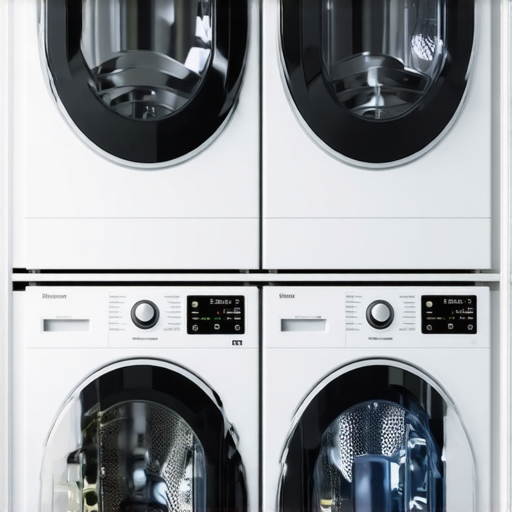
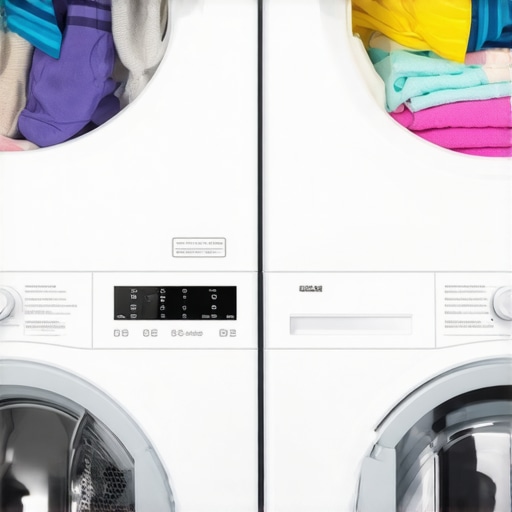
Ever stood in front of your laundry room, staring at two very different machines—one with a door on the front, the other with a lid on top—and felt completely overwhelmed? I’ve been there. One time, I bought a top load washer thinking it was the obvious choice because I grew up with one, only to realize it wasn’t the best fit for my busy schedule or space constraints. That lightbulb moment made me dig deep into what really matters when choosing the right washer for your home. Today, I want to share that journey with you, so you won’t waste time or money on a machine that doesn’t match your lifestyle.
Why Picking the Right Washer Matters More Than You Think
Choosing between a front load and a top load washer isn’t just about looks or brand names. It’s about how well the machine fits into your daily routine, the size of your laundry piles, and even your budget. If you’re tired of wasting hours on laundry day or dealing with machines that just don’t last, understanding the differences can save you a lot of frustration. I’ll help you navigate the key factors like capacity, efficiency, and maintenance, so you can make an informed decision. Trust me, this isn’t just about laundry; it’s about making your life easier.
What You’re Really Afraid of When Choosing a Washer
Let’s face it—many of us worry about ending up with a machine that’s too small, too expensive, or just not reliable. Early in my search, I made the mistake of assuming all washers are created equal. I bought a cheaper model, only to find out it struggled with larger loads and broke down after a few years. That mistake cost me more time and money in the long run. To avoid the same mistake, I’ll guide you through the key considerations and share tips to pick the perfect washer based on your specific needs. Want to see how to do it right? Check out this comprehensive guide on washer capacity.
Now that I’ve set the stage, let’s explore how to find a machine that genuinely suits your lifestyle and laundry habits. The right choice can turn laundry day from a chore into a breeze, so stick with me!
Assess Your Laundry Volume and Space
Start by calculating how much laundry you typically wash in a week. I once rushed to buy a compact washer for my small apartment, only to realize I was doing laundry twice as often because the capacity was too small. To avoid this, measure your laundry space and consider the maximum load size that fits comfortably. Use this washer capacity tips to identify the right size. Remember, a larger capacity means fewer loads, saving you time in the long run.
Match Washer Type to Your Lifestyle
Decide between a front load or top load washer based on your daily routine. If you prefer quick, easy access, a top load might suit you better. For efficiency and gentler cleaning, a front load could be the answer. I picked a front load for my busy mornings, finding it easier to load and unload without bending down. Check out this comprehensive comparison to see which type matches your needs.
Evaluate Energy and Water Efficiency
Energy-efficient machines save money over time. I once bought a cheaper model without checking efficiency ratings, and my utility bills shot up. Look for washers with high energy and water efficiency ratings, which often come with eco-friendly features. This step will pay off by reducing ongoing costs.
Focus on Wash Cycle Options
Different cycles matter for different fabrics. For delicate clothes, choose a machine with gentle cycles. For heavily soiled laundry, look for powerful wash options. I tested a model with multiple cycles and found that selecting the right one made a noticeable difference in cleaning quality. Use this washer cycle guide to make informed choices.
Consider Maintenance and Durability
Check user reviews for reliability insights. I once ignored maintenance features and ended up with frequent repairs. Choose a model with accessible filters and good warranty coverage. Regular maintenance prevents costly repairs and extends the lifespan of your machine. Look into models with straightforward cleaning options, which help keep the washer running smoothly over years.
Test and Decide
If possible, visit a showroom or read detailed reviews to see how the machine feels in action. I once went to a store and tested a few models, feeling the build quality and ease of use firsthand. This hands-on approach helped me avoid buyer’s remorse and select a washer that truly fit my needs. Remember to compare options using this capacity and feature comparison to finalize your decision.
Many laundry enthusiasts and homeowners often fall into traps of misconceptions when choosing or using their washing machines. Let’s dig deeper into what most people get wrong about front load washers, top load washers, and washer capacity, and uncover some hidden nuances that can significantly impact your laundry efficiency.
Are All Washers Created Equal or Is There a Hidden Trap?
The common belief is that all washing machines, especially front load and top load models, are interchangeable as long as they fit your budget and space. However, this couldn’t be further from the truth. Each type has distinct design philosophies and operational nuances that influence cleaning performance, durability, and maintenance costs. For example, many assume that front load washers are always more energy-efficient. While they often are, some newer top load models with agitator-free designs now match or surpass front load efficiency in certain scenarios. It’s essential to consider the specific features and ratings rather than relying solely on brand reputation or surface impressions. For a comprehensive understanding, check out this comparison guide on front vs. top load washers.
One widespread myth is that larger capacity washers always mean better performance. In reality, overestimating capacity can lead to longer wash cycles and increased energy use without necessarily improving cleaning results. Conversely, undersized machines may require multiple loads, increasing water and time consumption. The key is to match your typical laundry volume with an appropriate capacity. This subtlety often trips up users who buy based on maximum capacity rather than usual load sizes, leading to inefficiencies. For detailed tips, see this washer capacity guide.
Another overlooked nuance involves maintenance. Many assume that all washers are low-maintenance appliances. But models differ in their cleaning cycles, filter accessibility, and durability. For instance, front load washers are prone to mold buildup if not cleaned regularly, which many users fail to realize until it becomes a problem. Proper maintenance significantly extends the lifespan, but it’s often underestimated during initial purchase decisions. Experts recommend choosing models with straightforward cleaning features and reliable reviews. Learn more about this in the ultimate guide to washing machine durability.
Now, let’s address a common advanced question:
How Can I Optimize Washer Performance Without Sacrificing Efficiency?
To truly optimize your washing machine’s performance, consider cycle customization, load balancing, and the right detergent use. Modern washers come with multiple cycle options designed for different fabric types and soil levels. Using the wrong cycle can waste water, energy, and even damage your clothes. Properly load your machine—overloading or unevenly distributing laundry can strain the motor and reduce cleaning efficacy. Additionally, using high-efficiency detergents compatible with your machine type ensures optimal cleaning without excess suds that can cause mechanical issues. For the best results, review your appliance’s user manual and select settings tailored to your laundry needs. This detailed approach helps maximize performance and lifespan, turning laundry from a chore into an efficient routine.
Have you ever fallen into this trap? Let me know in the comments.
How do I maintain my washer over time to ensure long-term performance
Maintaining your laundry washer, whether it’s a front load or top load model, is crucial for extending its lifespan and ensuring optimal cleaning. I personally rely on a combination of routine cleaning, using the right tools, and following manufacturer guidelines. One of my go-to tools is a specialized washing machine cleaning tablet, which I use monthly to prevent mold buildup and detergent residue—common issues with front load washers. Regularly cleaning the door seal and detergent drawer with a damp cloth and mild disinfectant keeps mold and odor at bay, especially in humid environments. Additionally, checking the inlet filters quarterly ensures no debris clogs water flow, maintaining efficiency. For detailed maintenance routines, I recommend consulting the ultimate guide to washing machine durability. With consistent upkeep, you’ll prevent costly repairs and keep your washer performing like new for years to come.
Tools I recommend for ongoing washer care
My top pick is the Affresh Washing Machine Cleaner. I use it because it’s effective at breaking down soap scum, mineral deposits, and mold—especially in front load machines prone to mold buildup. I run a cleaning cycle with it once a month, which has dramatically reduced odors and maintained washing performance. For routine maintenance, a soft microfiber cloth and a toothbrush are indispensable for cleaning tight spots like the door gasket and detergent dispensers. I also keep a small funnel handy for adding descaling solutions to the inlet filters, preventing mineral buildup that can impair water flow. These tools, combined with a minimal time investment, have helped me avoid the inconvenience of repairs and improve wash quality.
Future trends in washer maintenance and scalability
Looking ahead, I predict smart maintenance will become standard—integrating sensors that monitor machine health and alert you to issues before they escalate. Devices like Wi-Fi-enabled diagnostic tools will enable remote troubleshooting, potentially saving hundreds in repair costs. Additionally, modular washer designs that allow easy replacement of parts will make scaling and long-term maintenance more accessible for homeowners. Embracing these innovations now, along with regular cleaning routines, will ensure your washer remains efficient and reliable as technology evolves.
What about long-term results and scaling your laundry setup?
If you’re managing a larger household or planning to upgrade, consider washers with adjustable capacity settings and energy-efficient features. Proper maintenance now ensures that your investment scales smoothly, preventing premature breakdowns that could disrupt your laundry routine. For advice on choosing a washer that adapts to your evolving needs, check out this washer capacity tips. Regular upkeep and adopting innovative tools will keep your laundry system running at peak performance, saving you time and money in the long run.
The Biggest Wake-Up Call I Had About Choosing a Washer
One of the most eye-opening lessons I learned was realizing that not all washing machines are created equal, especially when I bought a top load washer expecting it to handle my family’s laundry needs, only to find it struggled with larger loads and used more water than I thought necessary. That experience taught me the importance of matching washer features with real-life demands, and it’s a lesson I want to share so you can avoid costly mistakes and make smarter choices.
What I Didn’t Know About Washer Types and How It Cost Me
Initially, I believed that front load washers were always more efficient and durable. Turns out, some newer top load models with advanced features now rival or surpass front load washers in efficiency. The real secret is understanding the specific features, such as agitation type, capacity, and maintenance needs, rather than relying on broad stereotypes. This insight helped me switch to a machine that better fits my laundry habits and saved me money in the long run. For a detailed comparison, I recommend reading this front load versus top load washer guide.
The Hidden Nuance Behind Washer Capacity That Changed Everything
I used to think bigger capacity meant better, but I learned that overestimating capacity leads to longer cycles and wasted energy, while undersized washers require multiple loads. The key is to accurately assess your weekly laundry volume and space constraints using this washer capacity tips. Matching capacity to your actual needs is the most effective way to optimize performance and save time.
Why Maintenance and Durability Are My Top Priorities Now
Early on, I overlooked the importance of easy maintenance, only to face mold buildup and mechanical issues later. I now focus on choosing models with accessible filters, reliable reviews, and good warranty coverage. Regular cleaning routines, such as monthly use of specialized cleaning tablets, have made a huge difference in keeping my washer running smoothly. Check out this ultimate guide to washer durability for more tips on maintenance.
The Most Surprising Lesson I Learned About Washer Efficiency
Modern washers come with a variety of wash cycle options. Using the right cycle for each load—delicate, heavy-duty, eco-friendly—has significantly improved my cleaning results and reduced water and energy consumption. Load balancing and the use of high-efficiency detergents are also game changers. This personalized approach to washing cycles turned laundry from a chore into an efficient routine. For detailed cycle guidance, explore this washer cycle guide.
Tools That Transformed My Washer Maintenance Routine
I swear by tools like the Affresh Washing Machine Cleaner to prevent mold and residue buildup, especially in front load models. Additionally, a soft microfiber cloth, a toothbrush for tight spots, and small funnels for descaling have made ongoing upkeep manageable. These simple tools have helped me avoid costly repairs and extend my washer’s lifespan. For more detailed routines, visit this comprehensive maintenance guide.
The Future of Washer Longevity and Smart Maintenance
As technology advances, smart sensors and diagnostic tools are becoming standard, alerting homeowners to issues before they escalate. Modular designs that allow easy replacement of parts will also make long-term maintenance easier and more affordable. Investing in these innovations now, along with regular cleaning, ensures your laundry system remains efficient and reliable for years to come.
How I Learned to Scale My Laundry System Without Stress
If your household is growing or you’re planning to upgrade, choosing washers with adjustable capacity and energy-efficient features is crucial. Proper ongoing maintenance, including regular cleaning and updates, will help your investment scale smoothly. For advice tailored to larger households, check out this capacity tips. Keeping your washer in top shape means less hassle and more time for what matters most.
Insider Wisdom From My Laundry Journey
- Don’t assume bigger capacity always means better cleaning. Matching your load sizes with the right machine is key, as overestimating can waste energy and extend cycles.
- Maintenance matters more than you think. Regular cleaning routines and accessible filters prevent mold and breakdowns, saving money and frustration.
- Features matter more than brand names. Focus on efficiency ratings, cycle options, and durability reviews rather than just the latest model.
- Smart tools are a game changer. From cleaning tablets to diagnostic apps, technology can extend your washer’s lifespan and performance.
My Top Picks for a Smarter Laundry Routine
- Affresh Washing Machine Cleaner—Trusted for keeping my washer mold-free and odorless, it’s a monthly must-have.
- Reliable washing machine reviews—I rely on detailed user feedback and expert insights to choose models with proven durability.
- Online guides and comparison charts—Resources like the capacity tips help me make informed decisions tailored to my laundry needs.
- Smart maintenance apps—Future-proof your washer with diagnostic tools that alert you to potential issues early, saving time and money.
Take Action and Elevate Your Laundry Game
Choosing the right washer isn’t just about getting clean clothes—it’s about simplifying your life and making laundry less of a chore. The lessons I’ve shared about matching capacity, prioritizing maintenance, and leveraging new technology can help you create a laundry setup that truly works for you. Remember, the best time to start is now—your future self will thank you for it.
What’s been your biggest challenge when selecting or maintaining your washer? Drop your experience below and let’s learn from each other!
,
Reading through this post really resonated with me, especially the part about how choosing the right washer can actually simplify laundry routines and save time. I used to think that bigger capacity was always better, but I learned the hard way that overestimating can lead to longer wash cycles and wasted energy, which added stress and higher utility bills. I now focus more on matching capacity to my actual needs, and it’s made a noticeable difference. I am curious, how do other people balance the need for larger capacity with energy efficiency, especially in smaller homes where space is limited? Have you found that adjustable or modular washers help in this regard? I’d love to hear your tips or experiences, as I’m considering upgrading my machine soon and want something that can scale or adapt over time.