Ever found yourself tangled in laundry room confusion, staring at two seemingly similar machines and wondering which one will actually get the job done better? I’ve been there, clutching a mountain of clothes, frustrated because I couldn’t decide whether a front load or top load washer would suit my family’s needs best. It was a lightbulb moment when I realized that choosing the right washer isn’t just about price or brand; it’s about understanding how different machines match your lifestyle and laundry habits.
Why Picking the Right Washer Matters More Than You Think
My mistake early on was assuming all washers do the same job, just with different buttons. Spoiler alert: they don’t. The right washer can save you time, water, and energy, while the wrong one might turn laundry day into an endless chore. With the increasing variety of laundry machines available, making an informed choice has become more critical than ever. According to industry experts, selecting a washer that fits your capacity and efficiency needs can cut your utility bills by a significant margin (source: Smart Appliance Review).
Have you faced the dilemma of choosing between a front load and a top load washer? If so, you’re not alone. Many homeowners struggle with this decision, especially when trying to balance capacity, cost, and space.
Today, I’ll guide you through the key differences, highlight what matters most for your laundry needs, and help you avoid the pitfalls I fell into. Whether you’re upgrading your current machine or replacing an old one, understanding these nuances will make your laundry days smoother and more efficient.
Let’s get started by exploring what makes each type of washer unique and how to match them with your lifestyle. Ready to find out which washer will become your laundry hero? Let’s dive in!
Assess Your Laundry Volume and Frequency
Start by counting how many loads you do each week. If you wash daily or have a large family, a bigger capacity washer will save you time and energy. I remember once I overloaded my old machine trying to handle a week’s worth of laundry, which led to longer cycles and poorer cleaning. To avoid this, determine your typical load size and match it with a washer that can handle it comfortably, usually 4.5 cubic feet for families of four or more. For smaller households, 3.0 to 4.0 cubic feet might suffice. For detailed capacity tips, check this guide.
Match Washer Type with Your Space and Lifestyle
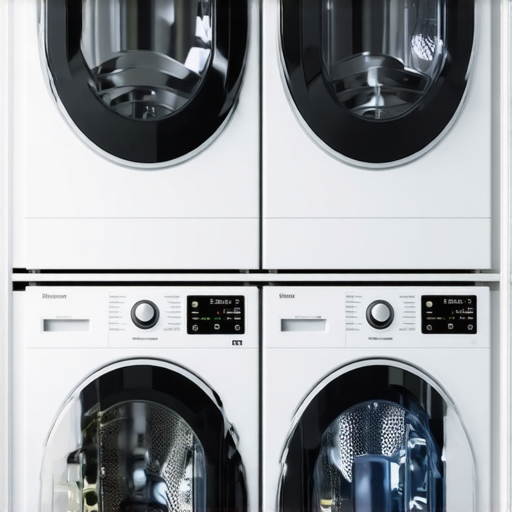
Decide between a front load and top load washer based on your kitchen or laundry room space. Front loaders are stackable, ideal for small spaces, and generally more water-efficient. I installed a front loader in my tight laundry closet, and it transformed my space. Meanwhile, top loaders are easier to load and unload, especially for those with back issues. If you have children or elderly family members, a top loader might be more ergonomic. For a detailed comparison, see this comparison.
Evaluate Efficiency and Running Costs
Efficiency is a key factor. Front load washers typically use less water and electricity, saving you money over time. I switched to a front loader and noticed my utility bills dropped after just a few months. Look for models with high Energy Star ratings and consider the cycle options that match your laundry habits. For insights on efficiency, review this comparison. Also, compare wash cycles and spin speeds, as higher RPMs extract more water, reducing drying time.
Test Wash Capacity in Real Life
Before buying, test how much laundry your washer can handle. I once visited a showroom and asked to see a full load. The salesperson demonstrated how a 4.5 cu ft front loader comfortably handled my bulky comforter and towels without strain. Remember, overloading reduces cleaning effectiveness and can damage the machine. For specific capacity advice, visit this resource.
Compare Price and Warranty Options
Finally, balance your budget with warranty coverage. A slightly higher investment in a reliable, well-rated machine can save you headaches later. I bought a front loader with a 10-year warranty, and it’s been a stress-free experience. Check reviews and warranty details on sites like this review. Remember, a good washer is an investment that pays off through efficiency, durability, and ease of use.
Many laundry enthusiasts and even seasoned homeowners fall prey to misconceptions that can cost them time, money, and laundry quality. Let’s dig deeper into what most people get wrong about washing machines, especially regarding front load versus top load washers and capacity choices. Understanding these nuances can dramatically improve your laundry experience and ensure you’re making truly informed decisions.
Is Bigger Always Better When Choosing Washer Capacity?
A common myth is that opting for the largest capacity washer available is the best choice for every household. While it might seem intuitive to handle larger loads, overestimating your needs can lead to inefficiencies. Larger machines often consume more energy and water, especially if you’re frequently washing smaller loads. The key is to match your typical laundry volume with a machine that optimizes capacity without excess. For example, a 4.5 cu ft front loader is generally ideal for families of four or more, but smaller households can benefit from a more moderate size, which conserves resources and reduces cycle times. You can explore this guide for detailed capacity planning.
Why Switching to a Front Loader Isn’t Just About Space
Many assume that front load washers are only suitable for small spaces since they are stackable. However, the real advantage lies in their efficiency and gentleness on fabrics. That said, some users overlook the importance of maintenance. Front loaders require regular door seal cleaning to prevent mold and odors—something many forget until it becomes a problem. They also tend to have longer cycle times, which can be a trap if you’re in a rush. Conversely, top loaders are often chosen for their quick cycles and ease of use, but they typically consume more water and energy. Knowing these hidden details helps you avoid the trap of simply choosing based on space constraints or initial cost. For a comprehensive comparison, see this article.
Advanced Question: Can You Really Save More by Choosing a More Expensive Washer?
It’s a common belief that investing in a high-end, energy-efficient washer guarantees long-term savings. While high-rated models do save water and electricity, the actual savings depend heavily on usage patterns and maintenance. An expensive washer with advanced features like load sensing and cycle optimization can reduce utility bills, but only if used correctly. Poor maintenance, such as ignoring detergent buildup or overloading, can negate these benefits. Moreover, the initial cost might be offset by warranty coverage and durability. According to industry experts, selecting a machine with a good balance of features, efficiency, and warranty coverage provides the best ROI. For insights on choosing such models, check this comparison.
Have you ever fallen into this trap? Let me know in the comments. Making the right choice means understanding these hidden nuances and avoiding common pitfalls that many overlook. The better informed you are, the more your laundry routine will benefit from efficiency, durability, and cost savings.
Keeping your washing machine in top shape isn’t just about occasional cleaning; it involves a proactive approach to maintenance, the right tools, and understanding how to extend the lifespan of your appliance. Regular upkeep ensures your washer continues to operate efficiently, saving you money and hassle over time. In this article, I’ll share exactly how I maintain my front load and top load washers, the tools I recommend, and what I see trending in washer care for the future.
How do I maintain my washing machine over time?
Personally, I swear by a combination of routine cleaning, the right cleaning agents, and periodic inspections. For regular maintenance, I run a hot water cycle with a cup of white vinegar and half a cup of baking soda monthly. This combo dissolves detergent buildup, eliminates odors, and keeps the door seals fresh. For front load washers, I pay special attention to the door gasket—removing any debris or mold that can accumulate—by wiping it down with a damp cloth after each cycle. Regularly inspecting the inlet filters and drain hoses also prevents clogs that can cause leaks or poor performance. Industry experts recommend checking these components every six months to avoid costly repairs later.
To make this easier, I use a dedicated washer cleaning tool like the Whirlpool Washer Cleaner. It’s designed to fit into the drum and circulate cleaning agents effectively, ensuring every part of the machine gets a thorough cleanse. For top load washers, I focus on ensuring the agitator and tub are free of trapped lint and debris, which can hamper washing efficiency. Using a high-quality washing machine cleaner periodically, such as Affresh, helps maintain optimal performance.
Tools I recommend for washing machine maintenance
Besides cleaning agents, I rely on a few specific tools. A long, flexible brush helps scrub the door gasket and around the drum edges. A set of inlet filter pliers makes it simple to remove and clean inlet screens without damaging the hoses. For routine inspections, a flashlight and a mirror allow me to see into tight spots that can harbor mold or debris. Additionally, a digital multimeter can be useful if you’re troubleshooting electrical components or considering replacing parts yourself—though I advise consulting a professional for major repairs.
Another essential tool is a high-quality drain hose brush, which I use to clear out any buildup in the drain hoses, especially in older models. Regularly replacing the inlet hoses every 5 to 7 years, as recommended by appliance manufacturers, prevents leaks and failures. Implementing these tools into your maintenance routine can significantly extend your washer’s lifespan and keep it running efficiently.
Looking ahead: The future of washer maintenance
As technology advances, I predict that future washing machines will come equipped with smarter self-diagnostic systems, alerting homeowners to potential issues before they become costly repairs. Some models already feature app-controlled maintenance reminders and remote diagnostics, which I find incredibly convenient. This trend will likely grow, making washer upkeep more accessible and less time-consuming. For now, I recommend setting a regular schedule for manual inspections and cleaning, using the tools I’ve mentioned, to ensure your machine remains a reliable workhorse for years to come.
Don’t wait for your washer to break down—start implementing these maintenance tips today. A little effort now can save you from expensive repairs and ensure your laundry stays efficient and effective. Try integrating a monthly deep-clean routine with a quality cleaning tool, and watch how your washer continues to perform flawlessly for years.
What I Wish I Knew About Washing Machines Before Buying
- Choosing the right washer taught me that capacity isn’t just about size but about matching your laundry habits. I wasted money on a huge machine that rarely filled up, which increased my utility bills unnecessarily.
- Understanding the maintenance needs of front load washers made me realize that regular cleaning extends their lifespan. Neglecting this turned into costly repairs I could have avoided.
- My biggest breakthrough was discovering that efficiency ratings directly impact long-term savings. Investing in a high-rated machine paid off within months through lower energy bills.
- Finally, I learned that not all features are essential for my needs. Prioritizing cycle options and durability helped me select a washer that truly suited my lifestyle without overpaying.
My Go-To Resources for Washer Wisdom
- Smart Appliance Review offers comprehensive comparisons of washers, helping me understand the pros and cons of front load versus top load models. I trust their in-depth analysis for making informed decisions.
- Consumer Reports provides unbiased ratings and user reviews, which guide me toward reliable brands and models with excellent warranties and durability.
- Manufacturer websites give detailed specs and maintenance tips directly from the source, ensuring I have the latest information on features and care instructions.
- Online forums and communities like Reddit’s appliance subreddit offer real-life experiences and troubleshooting advice, saving me time and frustration.
Take Action and Transform Your Laundry Routine
Choosing the right washer isn’t just a purchase—it’s an investment in your daily comfort and savings. Armed with knowledge and the right resources, you can select a machine that lasts, performs efficiently, and fits your lifestyle. Don’t wait for laundry day chaos—start researching today and enjoy the benefits of a perfectly matched laundry machine. Your future self will thank you!
What has been your biggest challenge in choosing or maintaining a washer? Share your story below and let’s learn from each other!
,
I really appreciated this detailed comparison between front load and top load washers. When I was shopping for a new machine last year, I was tempted by the space-saving appeal of a front loader, especially because my utility room is quite small. However, I was also concerned about the longer cycle times and potential mold issues, as I read some reviews about maintenance challenges. What I ended up doing was going for a high-efficiency top loader with big capacity and good energy ratings. It works well for my busy schedule and is much easier to load and unload, especially since I tend to do laundry with my kids and have back issues. I think deciding on the right washer format really depends on individual needs—space, family size, and how much maintenance you’re willing to handle. Have others found that the maintenance aspect? Or has technology improved to mitigate those issues? I’d love to hear your experiences.
I can definitely relate to the challenge of choosing the right washer — I used to think bigger capacity was always better until I realized it could lead to unnecessary water and energy use if I wasn’t careful. I recently switched to a more moderate-sized front loader because I live in a small apartment, and I was surprised at how much more efficient it is. Maintenance is a concern, but I’ve found that regular door gasket cleaning and using machine cleaners like Affresh have really helped keep odors at bay. I also appreciate how much quieter and gentler on clothes front loaders are, especially for delicate fabrics. For those with space constraints or back issues, a front loader with stacking capabilities seems like a smart choice. How do others find the balance between maintenance and efficiency? Are newer models really easier to maintain? Would love to hear your thoughts based on your experiences!