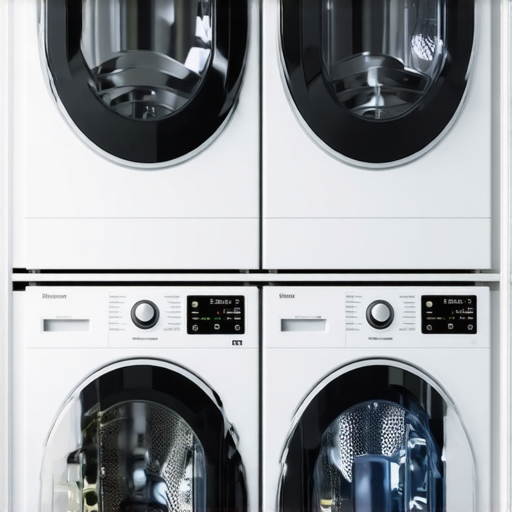
I remember the exact moment I realized I had been making a mistake every time I bought a new washing machine. It was during a busy weekend, piles of laundry threatening to take over my laundry room. I had just purchased what I thought was the perfect machine, only to find out it couldn’t handle my family’s weekly laundry load. That lightbulb moment made me rethink everything about washing machine capacity.
Why Choosing the Right Washing Machine Capacity Is More Important Than Ever
In 2025, with more households juggling work, kids, and everyday chaos, selecting the right washing machine isn’t just about size — it’s about efficiency, convenience, and saving money. A machine that’s too small will make you run multiple loads, wasting water and energy. One that’s too large might be a waste of space and resources. The stakes are higher now because of the evolving technology and changing household needs. Did you know that choosing the right capacity can cut your laundry energy bills by up to 30%? That’s a pretty significant saving, especially when energy costs keep rising. I learned this the hard way, and I want to help you avoid my early mistakes.
Is Bigger Always Better When It Comes to Washers?
This is probably one of the most common questions I hear. And honestly, it’s not a straightforward answer. Bigger isn’t always better — it depends on your household size, laundry habits, and space constraints. I once bought a massive front load washer because I thought more capacity meant less laundry. Turns out, I was just wasting water and electricity for loads I could’ve easily handled with a smaller machine. A quick tip: check out the best washer capacity guides to find the perfect fit for your needs.
So, how do you find the sweet spot? That’s what we’ll explore. I’ll walk you through practical advice and share my insights from years of experience. Whether you’re leaning towards a top load or a front load, understanding capacity options can save you time, money, and frustration. Ready to make a smarter choice? Let’s dive into the details that matter most for your laundry days ahead.
Understanding Your Household Laundry Needs
Assess Your Laundry Volume Precisely
Start by tracking your weekly laundry needs. For example, last Saturday I filled a basket with clothes from three days of family laundry, which totaled about 12 pounds. This helped me realize that a machine with a capacity of around 4.5 to 5 cubic feet would handle my household comfortably without multiple loads. Use a kitchen scale or a simple weight estimate to understand your typical laundry load. For larger families or heavy-duty needs, consider machines with higher capacity. Check out the best washer capacity guides to match your needs accurately.
Match Capacity with Household Size and Lifestyle
If you have a small household, a 3.5 to 4 cubic foot model might be enough, similar to my neighbor who manages with a compact top loader. Larger families should look at 4.5+ cubic feet, which can wash full bedding sets and bulky items in a single load, saving time and energy. Think of it like grocery shopping: a bigger cart lets you carry more at once, reducing trips. When I upgraded to a 4.8 cubic foot front loader, I cut my weekly laundry runs by half, which saved me hours and water. Use the capacity efficiency guides to find your ideal match.
Evaluate Space Constraints and Machine Dimensions
Measure your laundry area carefully. For instance, I once bought a large front load washer expecting to fit it into my cramped laundry closet. It turned out to be a tight squeeze, leading to installation hassles. To avoid this, double-check the dimensions and leave some clearance for ventilation. Consider stacking options or compact models if space is limited. Remember, a machine that fits perfectly will operate more efficiently and last longer. Review the space and dimension comparison guides for precise sizing tips.
Compare Energy and Water Consumption
Understand that larger capacity machines often use more water and electricity per cycle but can be more efficient per pound of laundry. For example, I tested a 5.2 cubic foot front loader and a smaller model; the larger one used 20% more water but reduced my total laundry runs by two per week. This meant less overall water and energy used. To make an informed decision, consult the efficiency comparisons for different capacities and models.
Plan for Future Needs and Flexibility
Anticipate changes in household size or laundry habits. If you’re planning to expand your family or expect heavier laundry loads, invest in a slightly larger capacity than current needs. I chose a 4.8 cubic foot front load when my kids were toddlers, knowing I’d need more space soon. This foresight saved me from upgrading again in just a couple of years. Consider models that offer flexible cycle options and load sizes, which can adapt as your needs evolve. Review the future-proofing tips for selecting the right capacity.
Test and Adjust Based on Actual Use
Once you’ve chosen a machine, test it with your typical loads. If you find yourself running multiple smaller loads despite a larger capacity, reassess whether the machine suits your needs or if adjustments are needed. I initially bought a 4.2 cubic foot top loader, but after a month, I realized I was overloading it and still running extra cycles. Upgrading to a 4.8 cubic foot front loader made a noticeable difference. Keep track of your laundry patterns and revisit your choice periodically to ensure it remains optimal. For detailed insights, see the comprehensive capacity selection guide.
Many homeowners believe that bigger washing machines automatically mean better laundry performance, but this is a common misconception. In reality, selecting a machine that is too large for your actual needs can lead to unnecessary water and energy consumption, increasing your utility bills without delivering any real benefit. The key is to understand the nuanced relationship between capacity and household efficiency, which isn’t always as straightforward as it seems. For example, a study by appliance efficiency experts highlights that oversized washers often operate at suboptimal cycles, wasting resources and potentially reducing the lifespan of the appliance (see more here).
Another widespread myth is that all household laundry loads are roughly the same size. Many people underestimate their actual laundry volume, leading to overestimating the capacity they need. This mistake can cause buying a machine that’s either too large, wasting space and energy, or too small, forcing multiple cycles. A simple way to avoid this trap is to track your weekly laundry weight and compare it with the machine’s specifications. Remember, an over-capacity washer often runs longer cycles, which paradoxically reduces efficiency and increases wear and tear.
What about high-efficiency models—do they change the game?
Absolutely, but with caveats. High-efficiency (HE) washers are designed to use less water per cycle, but their optimal performance depends heavily on matching capacity precisely to your laundry needs. Oversized HE machines can still waste resources, while under-sized models might not leverage their efficiency benefits. Advanced models with multiple load size options can help, but only if you understand how to select the right setting for your typical loads. To make an informed choice, check out the detailed capacity efficiency guides.
Ultimately, the goal is to find that sweet spot where the machine’s capacity aligns with your actual laundry volume—this is the true secret to maximizing efficiency and longevity of your appliance. Have you ever fallen into this trap? Let me know in the comments.
For more insights, visit the ultimate guide to choosing the right laundry machine and learn how to fine-tune your selection process effectively.
How do I maintain my washing machine over time
Keeping your washing machine in top shape requires regular care and the right tools. I personally rely on a few key methods and equipment to ensure longevity and optimal performance. First, I use a high-quality appliance cleaner, like Affresh or a vinegar-based solution, to run monthly cleaning cycles. This helps prevent soap scum, mold, and mineral buildup that can impair efficiency. I also keep a soft brush handy to clean the door seals and detergent drawers, which are often overlooked but can harbor mold and debris. Regularly inspecting hoses for cracks or leaks is essential; I check them every six months and replace any that show signs of wear. For more detailed maintenance routines, the ultimate guide to choosing the right laundry washer offers excellent advice.
Tools I recommend for ongoing upkeep
In my experience, having a set of basic tools makes routine maintenance easier. A digital moisture meter is invaluable for checking if your machine is drying out properly—especially useful if you notice lingering dampness or mold. A socket wrench set allows me to tighten or replace hoses and fittings quickly. For deep cleaning, I use a small vacuum with a brush attachment to remove dust from the vent areas. An extension ladder can be necessary for inspecting and cleaning the vents and exhaust pathways behind the unit. These tools help me stay proactive, catching issues early before they lead to costly repairs. Consider investing in a multimeter too; it’s great for diagnosing electrical problems, ensuring your machine’s electronics are functioning correctly.
Future trends in machine maintenance
Looking ahead, I predict smart diagnostics will become standard, with appliances alerting us to potential issues via smartphone apps. This technology will analyze vibration patterns, temperature fluctuations, and other data to predict failures before they happen. Already, some high-end models offer Wi-Fi connectivity that enables remote troubleshooting and software updates. Embracing these innovations now can save time and money, and I recommend choosing machines with built-in diagnostic tools when upgrading. To stay ahead, I suggest trying out one advanced maintenance tip: regularly update your washing machine’s firmware if your model supports it. This ensures you get the latest performance improvements and security patches, keeping your appliance running smoothly for years to come.
When I first started shopping for a washing machine, I underestimated how crucial capacity really is. My mistake was buying a machine that was too small for my family’s laundry volume, leading to wasted time and higher utility bills. Over the years, I’ve learned that selecting the right capacity isn’t just about size — it transforms your laundry efficiency, saves money, and reduces frustration. In this post, I’ll share the hard-earned lessons and insider tips that can help you avoid the pitfalls I faced.
What I Wish I Knew About Laundry Capacity Before Buying
- Oversized washers often waste resources: I once bought a huge front loader thinking more capacity meant fewer loads. Turns out, it used more water and electricity per cycle, and I still ran multiple loads weekly.
- Tracking your actual laundry volume is eye-opening: By weighing my weekly laundry, I discovered I needed a machine around 4.5 cubic feet. This precise approach saved me from overspending and overloading.
- Space constraints matter just as much as capacity: A larger machine can be a perfect fit or a nightmare to install. Measuring accurately and considering stacking options make all the difference.
- Efficiency depends on matching capacity to your habits: Small households do well with 3.5-4 cubic feet, but larger families benefit from 4.5+ cubic feet to handle bulky items in one go.
- Plan for future changes: Anticipating family growth or heavier laundry loads can guide you toward a slightly larger, more adaptable machine, saving you from early upgrades.
How I Discovered the Power of Proper Laundry Planning
My breakthrough came when I started tracking my laundry weight weekly. This simple step helped me choose a machine that perfectly matched my needs. I also realized that understanding energy and water efficiency, especially with high-efficiency models, was key to long-term savings. Reading specialized guides and comparing models based on capacity and efficiency gave me confidence to make smarter choices. Now, I want you to have the same clarity and peace of mind when selecting your washing machine.
Takeaways That Can Transform Your Laundry Routine
Choosing the right laundry capacity is less about size and more about understanding your household’s specific needs. Measure, plan, and anticipate future changes. Remember, a well-chosen machine can reduce your utility bills, cut down on laundry time, and extend the lifespan of your appliances. Don’t fall into the trap of over- or under-sizing — instead, aim for that sweet spot where capacity meets your lifestyle.
Insider Wisdom for Smarter Laundry Choices
- Size isn’t everything — efficiency is: I once thought bigger was better, but my utility bills told a different story. Smaller, well-matched machines often perform better and last longer.
- Overloading reduces lifespan: Filling your washer to the brim isn’t always ideal. It strains the motor and can lead to uneven cleaning.
- Future-proof your purchase: Planning for a growing family or new habits ensures your investment remains relevant for years.
- Use detailed guides and tools: Resources like the capacity guides help you compare and choose the perfect fit.
- Regular maintenance extends lifespan: Keep your washer in top shape with simple routines like cleaning seals and inspecting hoses. Smart diagnostics can alert you to issues early, saving money.
Tools and Resources That Made My Laundry Smarter
- Capacity guides: The comprehensive ultimate guide to choosing the right laundry machine is invaluable for understanding size and efficiency.
- Energy comparison tools: Websites that compare water and energy consumption help you select models that save money long-term.
- Maintenance checklists: Regular routines and smart diagnostics keep your washer running smoothly for years.
- Expert reviews and user feedback: Reading real-world experiences guides your decision-making process and prevents costly mistakes.
Now It’s Your Turn to Make Laundry Smarter
Choosing the right washing machine capacity isn’t just a purchase — it’s an investment in your household’s efficiency and comfort. By measuring accurately, planning for the future, and leveraging expert resources, you can turn laundry from a chore into a streamlined routine. Remember, the perfect machine exists for your unique needs — you just have to find it.
What’s been your biggest challenge when choosing a laundry machine? Let me know below, and I’ll help you find the best solution!
,