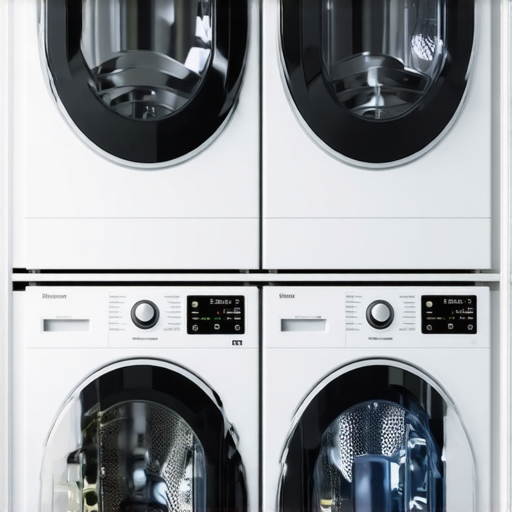
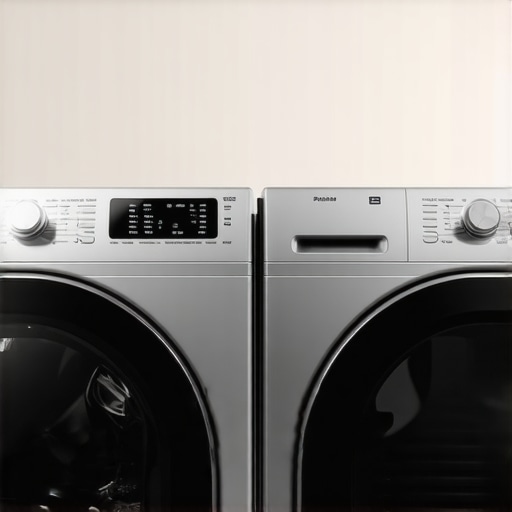
Imagine this: You’re standing in your laundry room, clothes in hand, feeling overwhelmed by the endless options for washing machines. I remember the lightbulb moment when I finally realized that picking the right washer isn’t just about brand names or bells and whistles — it’s about understanding what truly fits my needs. That realization saved me from costly mistakes and endless frustration. If you’ve ever felt confused or frustrated trying to decide between a front load and a top load washer, you’re not alone. I’ve been there, and I want to help you cut through the noise and find your perfect laundry solution.
Why Making the Right Choice Matters Now More Than Ever
The laundry room might seem like a small space, but the decision to choose the right washer can impact your daily life in big ways. From energy efficiency and water usage to convenience and capacity, the right machine can make laundry feel less like a chore and more like a breeze. It’s not just about cleaning clothes — it’s about investing in a solution that saves you time, money, and headache in the long run. According to industry experts, selecting the appropriate washing machine can reduce water and energy consumption by up to 30%, which adds up over the years and can significantly lower utility bills.
Are Front Load and Top Load Washers Really That Different?
Early on, I made the mistake of thinking all washers were basically the same, just with different doors. But once I looked deeper — especially when considering my family’s laundry needs — I saw how different they truly are. One’s more energy-efficient, while the other offers ease of loading. Understanding these differences helped me make a choice I don’t regret. Want to know which type suits your lifestyle? We’ll explore all the details and help you decide with confidence.
Ready to stop guessing and start choosing smart? Let’s dive into the specifics of each washer type and find the perfect fit for your laundry routine.
Compare Capacity to Your Laundry Needs
Start by evaluating your weekly laundry volume. If you typically wash large loads or bulky items, a machine with higher capacity is essential. Use the capacity comparison guide to match your needs with the right washer size. Remember, a larger capacity means fewer loads, saving time and energy in the long run.
Measure Your Space
Before choosing, measure your laundry area. Front load washers tend to be wider but can be stacked for saving space. Top load models usually have a smaller footprint but require clearance for lid opening. Check the dimensions with your available space and compare with models listed on washer capacity options.
Decide on Energy and Water Efficiency
Energy efficiency impacts your utility bills over time. Front load washers generally consume less water and electricity, which is confirmed by the performance comparison. If you want to cut costs and reduce your environmental footprint, prioritize models with high efficiency ratings.
Consider Your Budget
Set a clear budget and compare models within that range. Remember, investing in a more efficient machine might have higher upfront costs but will save money via lower utility bills. Use the comprehensive reviews on review site to find the best value for your money.
Assess Ease of Use and Maintenance
Think about your comfort and convenience. Top load washers are easier to load and unload, especially for those with back issues, as I learned from my own experience with a stubborn back. Front load washers, however, often have more advanced features and are easier to clean to prevent mold. For detailed insights, visit this comparison.
Evaluate Your Laundry Habits
Are you washing delicate items frequently? Or do you prefer larger loads? Your habits will influence the best choice. For instance, if you often wash small loads, a top load might be more practical. Conversely, if energy savings are a priority, a front load could be the better fit. For more tailored advice, check out this guide.
Test and Compare Before Buying
Whenever possible, visit stores to test the machines. Open the doors, load some laundry, and get a feel for their operation. Read reviews and watch demonstration videos online. Remember, making the right choice involves balancing capacity, efficiency, ease of use, and budget. For a side-by-side comparison, visit comparison reviews.
Applying these steps, like I did when I replaced my old washer, ensures you find a machine that perfectly fits your household’s needs, making laundry less of a chore and more of a manageable task.
Many homeowners believe that selecting a washing machine is straightforward, but there are nuanced pitfalls even seasoned shoppers often overlook. One common myth is that higher capacity always means better value. While larger machines can handle more laundry per load, they can also lead to inefficiencies if your household’s laundry volume doesn’t match. Oversized washers tend to use more water and energy, negating their capacity benefits. To optimize your investment, assess your actual laundry needs carefully and consider models with capacities that match your typical load sizes. For detailed comparisons, check out this guide.
Another often overlooked nuance is the impact of machine placement and installation. Many assume that any space will do, but improper installation can drastically reduce washer efficiency and lifespan. For instance, front load washers require a level surface and proper ventilation to prevent mold and mildew buildup. Neglecting these details can lead to premature repairs or replacements. Always follow manufacturer guidelines and consider professional installation to ensure your machine performs at its best. For more insights, visit this resource.
Why is choosing the wrong cycle important for advanced users?
Many advanced users make the mistake of relying solely on default cycle settings. Different fabrics and stains require specific wash cycles for optimal cleaning without damage. Using the wrong cycle can lead to incomplete cleaning or fabric wear. Modern washers offer customizable cycles, so understanding how to leverage these features can extend your clothes’ life and improve cleanliness. Industry experts recommend experimenting with cycle options and consulting the user manual for best practices. For in-depth advice, see performance comparisons.
Have you ever fallen into this trap? Let me know in the comments.
Keeping your washing machine running smoothly over the years requires more than just occasional cleaning. It involves using the right tools, following a consistent maintenance routine, and understanding how to troubleshoot minor issues before they become costly repairs. In my experience, having a dedicated set of maintenance tools and following proven methods can extend the lifespan of your washer significantly.
Invest in Quality Maintenance Tools
One of the most valuable investments I made was purchasing a digital multimeter. This tool helps me quickly diagnose electrical issues, such as faulty switches or motor problems, without calling a technician. I use it regularly to check the power supply and ensure components are functioning correctly. Additionally, a set of basic screwdrivers, pliers, and a multimeter covers most repair needs, from replacing door seals to testing wiring.
For routine cleaning, I recommend a soft brush and a microfiber cloth. These tools are perfect for cleaning lint filters, detergent dispensers, and door seals, preventing mold buildup and odor issues. A spray bottle with a mixture of vinegar and water is also handy for deep cleaning the drum and detergent compartments, keeping your machine hygienic and odor-free.
Establish a Maintenance Routine
Regular maintenance prevents many common problems. I schedule monthly checks to inspect door seals for mold or tears, clean the filter, and run a maintenance cycle with a washing machine cleaner. This simple routine keeps internal components clean, reduces wear, and ensures optimal performance. Don’t forget to leave the door slightly ajar after use to promote air circulation and prevent mold growth.
Another tip is to avoid overloading the machine, which stresses the motor and suspension system. Using the correct detergent and amount also minimizes residue buildup that can impair the washer’s operation over time. Following the manufacturer’s guidelines, available in your user manual or online, is essential for long-term health.
Monitor and Troubleshoot Common Issues
If your washer starts making unusual noises or stops mid-cycle, quick troubleshooting can save you money. For instance, if it stops spinning, I check the lid switch with my multimeter. If I find it faulty, replacing it is straightforward and inexpensive. Many issues are documented in the technical specifications or repair guides, such as those found on this resource, which I consult regularly.
As technology advances, newer models are integrating smart diagnostics that alert you to potential problems before they escalate. I predict that in the future, appliances will become even more user-serviceable, powered by AI and IoT, making maintenance easier and more accessible.
How do I maintain my washing machine over time?
The key is to establish a routine that includes cleaning filters, inspecting seals, and using diagnostic tools periodically. Additionally, staying informed about common issues for your specific model, such as those outlined in your user manual or reputable review sites, can help you catch problems early and keep your washer running efficiently for years to come.
Start by trying out a maintenance routine with the tools mentioned—like your multimeter—and see how much smoother your laundry experience becomes. Regular upkeep not only prolongs your machine’s life but also ensures it performs at its best every cycle.
Lessons I Learned from My Laundry Room Failures
- One of my biggest mistakes was ignoring the importance of matching washer capacity to my actual laundry needs. Bigger isn’t always better, and paying attention to this saved me money and water in the long run.
- I underestimated how crucial proper installation and placement are. A level, well-ventilated washer lasts longer and performs better—something I wish I had prioritized from the start.
- Relying solely on default wash cycles can leave your clothes not as clean or damaged. Customizing cycles based on fabric types and stains made a noticeable difference in my laundry results.
- Regular maintenance, like cleaning filters and seals, is key to preventing mold and odors. A simple routine extends the life of your washing machine more than you’d think.
- Investing in diagnostic tools and understanding common issues empowered me to troubleshoot minor problems and avoid costly repairs. It’s a game-changer for long-term savings.
My Favorite Resources for Laundry Success
- Performance comparison guides: These help me choose washers that balance efficiency and capacity, like the 2025 Front Load vs. Top Load review.
- Capacity matching tips: The capacity comparison guide ensures I don’t overspend or compromise on performance.
- Installation advice: Proper setup instructions from manufacturer sites help me avoid common pitfalls and maximize efficiency.
- Repair and troubleshooting manuals: Websites that offer step-by-step guides save me time and money when issues arise.
Your Laundry Journey Starts Now
Choosing the right washing machine is more than just picking a brand or style; it’s about understanding how to make your laundry routine easier, more efficient, and longer-lasting. With the right knowledge and tools, you can turn your laundry room into a space that works for you, not against you. So, go ahead—take that first step towards smarter laundry solutions today. Your future self will thank you for it!
Have you ever struggled with selecting the right washer? Share your experiences below and let’s learn from each other’s laundry wins and lessons!