Ever found yourself staring at a mountain of laundry, frustrated by a washing machine that just doesn’t seem to handle your needs? I’ve been there. One weekend, I overloaded my old top load washer, and it ended up leaking all over my laundry room floor. That lightbulb moment made me realize how critical choosing the right washer capacity and type really is. If you’ve ever struggled with whether to go for a front load or top load, or worried about capacity, you’re not alone. Today, I’ll help you decode the mystery and find the perfect laundry setup tailored to your life.
Why Choosing the Right Washer Matters More Than You Think
The truth is, your washing machine isn’t just a big box that spins clothes around. It impacts your time, energy bills, and how often you need to do laundry. A machine that’s too small will make you run multiple loads, wasting water and power. One that’s too big might be a waste of space and money. Plus, the type of washer can influence how thoroughly your clothes get cleaned and how gentle they are on delicate fabrics.
Let me ask you—have you ever felt overwhelmed by the options? Or worse, bought a machine that looked perfect but left your laundry half-done? I’ve made that mistake early on, ignoring the importance of capacity and load type. That misstep cost me both time and money, and I don’t want you to go through the same.
Is the Hype About Front Load or Top Load Actually Justified?
Many folks are skeptical about the claims made by appliance brands. Is a front load really that much better? Or is a top load more practical for busy families? Honestly, it depends on your specific needs. Read more about the key differences and which might serve you best in this ultimate guide.
One mistake I made early on was assuming bigger is always better. Not necessarily. An oversized washer can be inefficient for small families, and a tiny one might mean endless loads for larger households. It’s all about matching your capacity with your laundry habits.
In the next sections, I’ll walk you through how to assess your laundry needs and choose between front load and top load washers with confidence. Let’s get started on making your laundry room work smarter, not harder.
Assess Your Laundry Frequency and Load Size
The first step is to evaluate how often you do laundry and the typical size of your loads. For instance, if you have a family of four, you probably handle larger loads more frequently. I once underestimated my needs and bought a small top load washer; I was constantly running multiple loads, wasting time and energy. To avoid this, measure your average laundry load—fill a basket with clothes and see if it fits comfortably without overflowing. Use this insight to determine the capacity you need. For detailed capacity tips, check out this guide.
Match Capacity with Family Size and Laundry Habits
Think of washer capacity like a shopping cart. A small cart (say, 3.5 cu ft) is perfect for singles or couples with light laundry needs. Larger carts (around 4.5-5.0 cu ft) suit bigger families or those who prefer fewer loads. For example, I upgraded from a 3.2 cu ft machine to a 4.5 cu ft one after realizing my small washer couldn’t handle bulky items like comforters without running multiple cycles. When selecting, consider whether you often wash bulkier items or prefer to do fewer, larger loads. For comparisons, visit capacity comparison guides.
Understand the Differences Between Front Load and Top Load Washers
Choosing between front load and top load washers is crucial. Front loaders are typically more efficient and gentle on clothes, making them ideal for delicate fabrics and energy savings. Top loaders often offer faster cycles and easier loading, which can be better for busy households. I initially went with a top load because I liked the quick access, but realized that a front load’s efficiency saved me money long-term. To decide which suits your lifestyle, review this detailed comparison.
Evaluate Space and Installation Needs
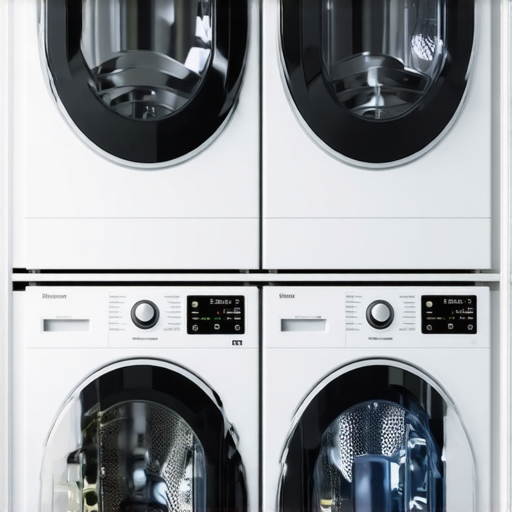
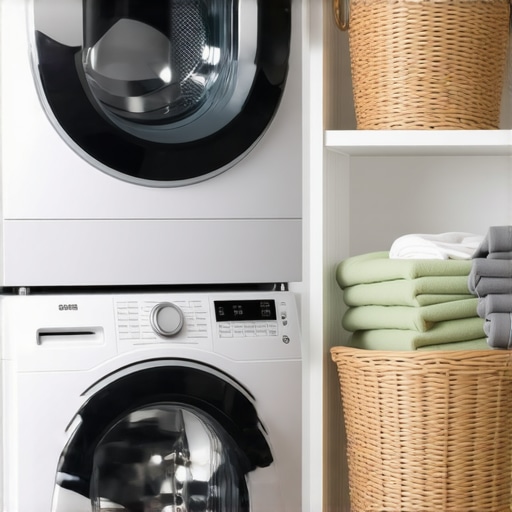
Measure your laundry area carefully. Front load washers generally need more space to allow for door clearance, while top loaders might be more straightforward to fit into tight spots. I once tried to squeeze a large front load into a closet, which made maintenance difficult. Consider if you want to stack your washer and dryer; many front load units are stackable, saving space. For layout ideas, see space-saving tips here.
Factor in Energy Efficiency and Water Usage
More efficient washers can significantly cut utility bills over time. Front load washers generally use less water and electricity, making them a smart long-term investment. I replaced my old top load with a front load and immediately noticed lower water bills. When comparing models, check their energy ratings and water consumption stats. For specific recommendations, consult this efficiency comparison.
Factor in Your Budget and Long-Term Costs
Budget is vital. While front load washers tend to be more expensive upfront, their savings on water and energy can pay off. Top loaders are often cheaper initially but may cost more in utilities over time. I once opted for a budget top loader, but it lacked durability and efficiency, leading to costly repairs. Balance your upfront costs with potential savings. Look at cost-benefit analyses to make an informed decision.
Many people assume that selecting a washing machine is straightforward: bigger is better, and front load machines are always more efficient. However, these beliefs often lead to costly mistakes and overlooked nuances. Let’s dig deeper into what most folks get wrong regarding laundry washers and how to avoid these pitfalls.
Are all high-capacity washers truly necessary for every household?
Contrary to popular belief, bigger isn’t always better. While a large capacity washer might seem ideal for a family of five, it can be inefficient for a single person or couple. Oversized machines tend to use more water and energy even when washing small loads, negating potential savings. According to a study by the Department of Energy, choosing a washer with capacity tailored to your typical load size can reduce utility bills significantly. Be sure to assess your actual laundry needs before opting for the largest model. For detailed guidance, check the capacity comparison guides.
Is a front load washer always the smarter choice?
Many believe that front load washers are superior in every aspect, but this isn’t universally true. Front load machines are typically more energy-efficient and gentle on clothes, but they often come with higher upfront costs and require more maintenance. Conversely, top load washers can be faster and more accessible, especially for those with mobility issues. A common myth is that front load washers always save money over time. In reality, the savings depend on usage patterns and maintenance. For an in-depth comparison, visit this comprehensive guide.
Why do many people fall into the trap of ignoring space constraints?
Another mistake is neglecting to measure space carefully. Many assume their ideal machine will fit without considering door clearance or stacking capabilities. This oversight can lead to purchasing a model that’s difficult to access or install properly, resulting in frustration and additional costs. Stacking front load washers can save space, but only if you verify adequate clearance and ventilation. Always double-check measurements against the space-saving tips before buying.
Have you ever fallen into this trap? Let me know in the comments. Remember, understanding these nuances can save you money, time, and hassle when choosing your perfect laundry setup. The key is to match your machine not just to your budget but to your actual laundry habits and space constraints, ensuring long-term satisfaction and efficiency.
Keep It Running Smoothly with Proper Maintenance
Maintaining your washing machine over time is crucial to ensuring it continues to perform efficiently and lasts for years. I personally swear by a few key routines and tools that keep my washer in top shape. First, regularly cleaning the filter and detergent dispenser prevents buildup that can cause malfunctions. For front load washers, a monthly run of a cleaning cycle using a specialized washing machine cleaner, like Affresh or Tide, can remove detergent residues and prevent mold growth. These simple steps extend the life of your appliance and maintain peak performance.
Another essential task is inspecting and cleaning the door seal and gasket, which can trap dirt and cause odors. I use a soft cloth dipped in a mixture of vinegar and water to wipe down these areas every few months. This not only keeps my washer smelling fresh but also prevents damage from mold and mildew—common issues that can lead to costly repairs.
Tools I Recommend for Easy Maintenance
For those who want to take their maintenance to the next level, I recommend investing in a few specific tools. A digital multimeter helps in diagnosing electrical issues if your washer isn’t powering on or acting strangely. I use mine to check for voltage irregularities, which can save me from unnecessary repairs. Additionally, a set of screwdrivers and a torque wrench are invaluable for tightening drum bolts and inspecting internal components during deep cleaning or repairs. A vacuum with a hose attachment is also great for removing lint and debris from vents and filters, ensuring optimal airflow and efficiency.
For more comprehensive maintenance, I rely on a diagnostic app compatible with many smart washers. These apps can run self-tests and report issues before they become serious problems, saving me time and money. As technology advances, I predict that these tools will become even more integrated and user-friendly, making DIY maintenance more accessible for everyone.
How do I maintain my washer over time?
Establishing a regular maintenance schedule is key. I recommend setting a monthly reminder to perform deep cleaning routines, check hoses for leaks or cracks, and run calibration cycles if your washer supports them. Keeping an eye on water pressure and supply lines also helps prevent unexpected breakdowns. Remember, prevention is better than repair; a little effort upfront can save hundreds in repairs later.
If you haven’t already, try incorporating a monthly cleaning cycle with a quality washing machine cleaner and inspect your hoses and seals. These small steps can dramatically improve your washer’s longevity and efficiency. For a detailed guide tailored to your washer type, visit this resource. Stay proactive, and you’ll enjoy fresh, clean laundry with minimal hassle for years to come!
When it comes to laundry, making the right choice in washer capacity and type can transform your chores from a hassle into a breeze. Over the years, I’ve learned that a well-chosen washing machine isn’t just about fitting clothes into a machine—it’s about fitting into your lifestyle. From avoiding unnecessary repairs to saving on utility bills, the benefits are far-reaching. Today, I want to share some insider wisdom that will help you make smarter decisions for your laundry setup.
The Hidden Lessons Behind Choosing Your Washer
- Size really does matter—A washer that’s too small will leave you running endless loads, while a large one can waste water and energy on small washes. I once bought a tiny machine, only to regret it when I had to do multiple cycles for bulky bedding. Learning to match capacity to your actual needs is key.
- Type influences your daily life—Front loaders are gentle and efficient but may require more maintenance, whereas top loaders are quick and accessible. I switched to a front load and immediately saw savings on my water bill, but I also learned the importance of routine cleaning to prevent mold.
- Space matters more than you think—Proper measurements and installation considerations can save you frustration. I once squeezed a front load into a tight closet, making maintenance a nightmare. Always verify stacking options and clearance before purchasing.
- Efficiency pays off in the long run—Investing in energy-efficient models can drastically reduce your utility bills. I replaced my old washer with an ENERGY STAR-certified front loader, and the difference was noticeable within months.
Optimize Your Laundry Setup and Save Money
Assess your laundry habits honestly. Do you wash bulky items regularly? How often do you do laundry? These questions help determine the ideal capacity and type. Use detailed guides, such as this comprehensive resource, to compare models and features.
Ready to Make Your Laundry Smarter?
The journey to an efficient laundry room begins with understanding your unique needs. Whether you’re upgrading your current machine or setting up a new space, remember that the right washer can save you time, money, and stress. Don’t settle for less—your perfect laundry solution is within reach.
Insider Wisdom for Laundry Success
- One of the biggest revelations I had was realizing that a high-capacity washer isn’t necessary for every household. Overspending on size can lead to wasted resources. Always match capacity to your actual laundry volume.
- Many assume front load washers are always better, but the truth is they require proper maintenance. Neglecting routine cleaning can lead to mold and odors, negating their advantages. Regular upkeep is essential.
- Space constraints are often overlooked. A machine that fits perfectly in the showroom might be a nightmare to install or maintain in your home. Measure carefully and consider stacking options for tight spaces.
- Energy-efficient washers do save money, but only if used correctly. Running full loads and using eco modes maximize savings. Be mindful of your habits to get the most out of your investment.
Tools and Resources That Changed My Laundry Game
- Energy rating guides—Check models’ efficiency ratings at this site to ensure long-term savings.
- Maintenance apps—Smart washer diagnostics helped me identify issues early and avoid costly repairs. Look for models that support these features.
- Space planning tools—Use online room planners to visualize your laundry layout and stacking options, saving you from surprises upon delivery.
- Expert reviews—Trusted sites like this guide offer in-depth comparisons to inform your choice.
Embrace Your Laundry Journey Today
Choosing the right laundry machine is more than a purchase—it’s an investment in your daily comfort. Take the time to assess your needs thoroughly, leverage trusted resources, and maintain your appliance properly. Your future self will thank you for making smart, informed decisions that keep your laundry routine smooth and efficient.
What’s the biggest challenge you’ve faced when selecting a washer? Let me know below, and let’s share solutions to make laundry less of a chore!
This post really highlights how crucial it is to match your washer capacity with your household needs. I made the mistake early on of choosing a smaller machine, thinking it would save space and money, but it ended up costing me more in water, electricity, and time because I had to do multiple loads. Now, I always evaluate my laundry habits first and measure my space beforehand. One thing I found really helpful was using online room planners to visualize where the washer would go, especially when stacking units. It’s amazing how proper planning can prevent future frustrations. Do others here have tips for balancing capacity with space constraints? I’d love to hear different approaches — sometimes I wonder if I should upgrade to a larger front load or stick with my current setup but improve maintenance routines to keep it running efficiently.
This article really hits home for me. I used to think that bigger washers were always better, especially for large families, but I quickly learned that oversized machines can be quite wasteful, both in energy and water. It’s a balancing act, for sure. I’ve found that measuring my laundry loads by filling a laundry basket is a simple way to gauge capacity needs without overbuying. Also, I’ve started stacking my front load washer with a dryer to save space, which I found works perfectly in my compact laundry room. Has anyone else found that careful space planning and capacity matching significantly reduce utility bills and maintenance headaches? I’d love to hear how others have optimized their laundry setups without sacrificing efficiency or convenience.
I’ve personally struggled with choosing the right washer capacity for my family of five. Initially, I went for a smaller capacity machine hoping it would save space, but I found myself doing laundry multiple times a week because it couldn’t handle larger loads. Once I upgraded to a larger, more efficient front loader, everything changed—I saved time, and my utility bills dropped noticeably. I think one of the biggest challenges is accurately assessing your laundry habits and space limitations beforehand, as the post suggests. Do others find it difficult to predict their future laundry needs, especially with growing families or changing lifestyles? I’d love to hear how you all handled that transitional stage and whether you stuck with your initial choice or adapted your setup over time.
This post brought back memories of when I overlooked space constraints and ended up needing a different setup entirely. I first bought a front load washer without considering stacking capabilities in my small laundry closet, which made maintenance a nightmare. Now, I always double-check the space and stacking options before buying any appliance. One thing I’ve learned through trial and error is that sometimes, a slightly smaller capacity with efficient features actually fits better in limited space while still meeting my needs. Have others found that opting for a slightly smaller but more efficient washer has helped manage utility costs and ease installation? It seems balancing capacity, space, and efficiency is key to creating a laundry setup that doesn’t turn into a long-term hassle.