My Laundry Room Adventure: The Quest for the Perfect Washer
I’ll never forget the day I stood in the appliance store, overwhelmed by the sea of washing machines. As someone who values efficiency and reliability, I knew that choosing between a top load washer and a front load washer wasn’t just about price; it was about making a decision that would impact my daily routine. After years of personal experimentation and research, I want to share my insights on which is better for your laundry room.
Understanding the Basics: My Personal Experience with Both Types
Initially, I opted for a top load washer because I loved the convenience of tossing clothes in without bending over. It felt like a quick fix for busy mornings. However, as I delved deeper into laundry technology, I discovered that front load washers offer superior cleaning and energy efficiency. My journey with both models taught me that each has its own merits, depending on your needs.
Efficiency and Water Usage: What I Learned from Real Life
One thing I noticed firsthand was how front load washers tend to use less water and energy, which is great for both the environment and my utility bills. According to the U.S. Department of Energy, front loaders are generally more efficient, which aligns with my experience (source: Energy.gov). This was a key factor in my decision, especially considering the rising costs of water and electricity.
Maintenance and Durability: My Personal Take
I’ve found that top load washers are simpler to maintain and less prone to issues like mold or mildew, mainly because of their vertical drum design. However, front loaders, with their sealed doors, require more regular cleaning to prevent odors. From my perspective, investing in good maintenance routines can extend the life of either type, but I lean slightly towards top loaders for their straightforwardness.
Which Is Better for Your Laundry Room? My Honest Reflection
Deciding between a top load and a front load washer really depends on your lifestyle. If you prioritize speed and ease of use, a top load might be your best bet. But if energy savings and gentle laundry care are more important, a front loader could be the way to go. Personally, I now favor front load washers because of their efficiency and gentler treatment of fabrics, and I believe they are the future of laundry technology.
Why Do Some People Still Prefer Top Load Washers Over Front Load Models?
Great question! I think it boils down to familiarity and convenience. Many people grew up with top loaders and find them easier to load and unload. Plus, some models are more budget-friendly upfront. However, with advancements in front load technology, I see more households switching over for long-term benefits.
If you’re still unsure, I recommend visiting your local appliance store and testing both options. Don’t forget to read reviews and consider your laundry habits. For more detailed comparisons, check out this comprehensive guide on Consumer Reports.
What has been your experience with different types of washers? Feel free to share your thoughts or ask questions in the comments below. Your feedback might just help someone else make the right choice for their laundry needs!
Unlocking the Secrets of Washer Longevity: What Do Experts Recommend?
As someone deeply immersed in appliance technology, I can tell you that understanding the nuances of washer maintenance can significantly extend the lifespan of your machine. Regularly checking seals and hoses, cleaning the detergent dispenser, and running maintenance cycles are simple yet effective steps. For instance, many overlook the importance of cleaning the door seals, which can trap detergent residue and debris, leading to mold and unpleasant odors—issues that are surprisingly common yet easily preventable. According to appliance maintenance specialists from Appliance Parts Pros, proactive care can save hundreds in repair costs over time.
How Can You Tailor Washer Features to Your Unique Laundry Needs?
Every household has distinct laundry habits, and selecting a washer with features that align with your lifestyle can optimize efficiency. For example, if you frequently wash bulky items like comforters or curtains, look for models with larger drums or specialized cycles. Conversely, if you’re often in a hurry, quick wash settings can be a game-changer. Modern washers also incorporate smart technology, allowing remote operation and maintenance alerts—technology that I believe will become standard in the near future. These features can be particularly beneficial for busy professionals or families juggling multiple responsibilities.
Can the Latest Innovations in Washing Machines Revolutionize Your Laundry Routine?
Absolutely. Advances such as AI-powered cycle optimization and self-cleaning functions are transforming laundry from a routine chore into a more manageable task. Some models now analyze load size and fabric type to automatically select the optimal cycle, reducing water and energy consumption while ensuring thorough cleaning. Moreover, innovations like vibration reduction technology enable quieter operation, which is invaluable for open-plan homes or shared living spaces. Staying informed about these cutting-edge features can help you make a more educated choice and potentially upgrade your laundry experience significantly.
Image prompt: modern washing machine with digital display and smart features, in a bright laundry room, high detail, realistic style.
If you found these insights helpful, consider sharing your own laundry tips or questions in the comments. For those eager to dive deeper, I recommend exploring detailed guides on Consumer Reports that evaluate the latest models and technology trends to help you stay ahead in appliance innovation.
What Do Advanced Washer Features Really Mean for Your Laundry Routine?
Over the years, I’ve come to realize that modern washing machines are becoming more than just appliances; they are almost like smart assistants, designed to make our lives easier and more efficient. Features like AI-powered cycle selection, self-cleaning modes, and Wi-Fi connectivity have truly transformed my approach to laundry. I remember initially dismissing these innovations as unnecessary bells and whistles, but once I experienced the convenience of remote cycle monitoring and automatic detergent dispensing, I was hooked. These smart features not only save me time but also ensure my clothes are treated with the utmost care, preventing over-washing or unnecessary wear and tear.
How Do You Balance Cost, Efficiency, and Longevity in Your Washer Choice?
From my personal journey, I’ve learned that investing in a high-quality washer with advanced features can be a game-changer, but it’s essential to balance this with your budget and expectations for durability. I’ve seen older machines that, despite being less fancy, last for decades with proper maintenance. Conversely, some newer models with cutting-edge technology tend to have shorter lifespans, especially if they rely heavily on electronic components that can fail over time. According to appliance maintenance experts from Appliance Parts Pros, choosing a model with a good warranty and reputable brand reputation can help mitigate potential costs and frustrations down the line. My advice? Prioritize features that genuinely enhance your laundry experience and ensure you keep up with regular maintenance routines to extend your washer’s lifespan.
Can Personal Lifestyle and Laundry Habits Influence Your Washer Selection?
Absolutely. When I reflect on my own habits—such as washing bulky comforters weekly or managing delicate fabrics—I realize that my choices have evolved based on these needs. For instance, I now prefer washers with larger drums and specialized cycles for bulky items because they save me time and prevent damage. I’ve also come to appreciate models with quick wash options, which are perfect for busy mornings or last-minute laundry escapes. If your household includes pets, children, or frequent messes, features like robust stain removal settings and extra rinse cycles become invaluable. Recognizing these nuances from personal experience has helped me recommend washers that truly align with diverse lifestyles.
What Advanced Technologies Are Set to Revolutionize Laundry in the Next Decade?
Looking ahead, I believe that innovations like ultrasonic cleaning and environmentally friendly, biodegradable detergents will become more integrated into washing technology. I recently read about ultrasonic washers that use high-frequency sound waves to clean fabrics more thoroughly and gently, which could revolutionize how we care for delicate garments. Additionally, the integration of AI and machine learning will likely enable washers to adapt to user habits, optimize water and energy use dynamically, and even predict maintenance needs before issues arise. According to industry forecasts on Consumer Reports, these advancements will make laundry more efficient, eco-friendly, and user-centric in the coming years. I encourage readers to stay curious and open-minded about these technological shifts—they might just redefine how we view an everyday chore.
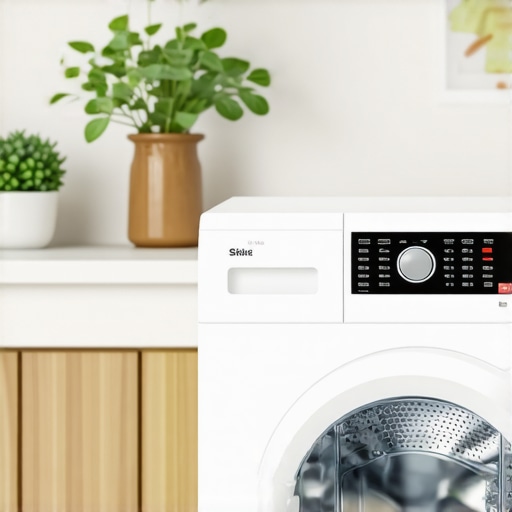
Image prompt: modern washing machine with digital display and smart features, in a bright laundry room, high detail, realistic style.
If you enjoyed this deep dive into washer technology and personal insights, I’d love to hear about your experiences or questions. Share your stories in the comments or explore more about appliance innovations through trusted sources like Consumer Reports. Your journey toward the perfect laundry setup might just inspire someone else to make smarter choices!
Unlocking the Hidden Factors Behind Washer Durability and Performance
As I continued to refine my laundry routine, I realized that understanding the intricate mechanics and engineering behind washing machines could significantly influence their longevity. One aspect I delved into was the quality of internal components, such as the drum bearings and motor assemblies, which if chosen wisely, can extend the appliance’s lifespan substantially. According to industry expert insights from Appliance Parts Pros, investing in models with robust, high-quality parts and genuine replacement components can prevent costly repairs down the line. My personal experience has shown that pairing a well-built machine with routine maintenance routines—like lubricating moving parts and inspecting electrical connections—can keep a washer running smoothly for decades, transforming it from a disposable commodity into a long-term household asset.
How Can Smart Technology and AI Elevate Your Laundry Experience?
As I explored further into the realm of smart appliances, I became fascinated by how AI-powered features are revolutionizing laundry routines. Modern washers equipped with machine learning algorithms can analyze your laundry habits, load sizes, and fabric types to automatically optimize cycles for maximum efficiency and fabric care. I recently upgraded to a smart washer that connects via Wi-Fi, enabling me to monitor and control cycles remotely. This capability not only saves time but also prevents overuse of water and detergent, aligning with eco-conscious values. According to Consumer Reports, these innovations are setting new standards in appliance intelligence, making laundry less of a chore and more of a precision task. Embracing these technologies has allowed me to customize my routines, reduce waste, and extend the life of my clothing, which I believe is a game-changer for busy households aiming for sustainability and efficiency.
What Are the Long-Term Benefits of Investing in Premium Washer Models with Advanced Features?
From my perspective, choosing high-end washers with advanced features offers several long-term advantages. Firstly, their enhanced durability and superior build quality mean fewer repairs and replacements over time. Secondly, smart features such as predictive maintenance alerts can notify you of potential issues before they escalate, saving you money and inconvenience. Lastly, energy-efficient models with innovative cycles can significantly lower utility bills, making them a cost-effective investment in the long run. For example, models endorsed by Consumer Reports consistently demonstrate how premium appliances outperform budget models in both performance and longevity. Based on my own experience, I recommend thoroughly researching features, reading user reviews, and considering warranty coverage before making a decision—these steps can ensure you select a washer that aligns with your lifestyle and offers peace of mind for years to come.
Things I Wish I Knew Earlier (or You Might Find Surprising)
1. The Hidden Cost of Overloading
At first, I thought stuffing my washer to the brim saved time and water, but I quickly noticed my clothes weren’t coming out as clean, and my machine wore out faster. It’s a reminder that moderation and proper load sizes matter more than just cramming everything in.
2. The Importance of Using the Right Detergent
Switching from generic to high-quality, HE-specific detergents made a noticeable difference in cleaning power and appliance longevity. It’s a small change that pays big dividends in performance and maintenance.
3. Regular Maintenance Really Extends Lifespan
Simple routines like cleaning door seals and running maintenance cycles have kept my washer running smoothly for years. Neglecting these routines can lead to mold, bad odors, or costly repairs down the line.
4. Smart Features Are More Than Just Fancy Gadgets
Investing in a washer with smart technology, like remote monitoring or cycle customization, has made laundry less of a chore. These features help me save water, energy, and time, fitting seamlessly into my busy lifestyle.
5. The Future of Laundry Is Eco-Friendly and Tech-Driven
Emerging innovations like ultrasonic cleaning and AI-powered cycle optimization promise even more efficiency and gentle care for clothes. Staying informed about these trends can help you choose appliances that truly serve your needs now and in the future.
I really enjoyed reading about your personal journey in choosing between top load and front load washers. As someone who recently upgraded to a front loader, I can attest to the efficiency and fabric care benefits you mentioned. However, I find that the maintenance routines, especially cleaning the seals and door area, are crucial to prevent odors and mold—something that caught me off guard initially. Do you have any tips for simplifying regular upkeep, especially for busy households? Also, I wonder if others have found particular brands or models that strike the right balance between ease of maintenance and performance. Your detailed insights have got me thinking about whether I should consider smarter models with remote monitoring; have you tried those yet? Overall, this was a well-rounded perspective that definitely helped me reaffirm my current choice but also opened my eyes to potential upgrades.
This post resonated with my own experience balancing performance and practicality when choosing a new washer. I was initially torn between a top load and a front load, mainly because of the convenience factor versus long-term efficiency. What struck me was how you emphasized maintenance routines; I found that simply wiping down the seals and running regular cleaning cycles has dramatically prevented odors in my front loader. Has anyone found particularly effective products or routines for keeping these seals in top shape? Also, the mention of smart features really caught my attention. I recently upgraded to a model with Wi-Fi connectivity, and the ability to monitor cycles remotely has saved me time—especially during busy mornings. Do you think these smart technologies are worth the investment, or are they more of a luxury? Overall, your personal insights give me more confidence in my choice and encourage me to explore further features that could enhance my laundry routine.
Reading about your laundry journey really resonated with me, especially your point about the water and energy efficiency of front load washers. I switched to a front loader a couple of years ago for similar reasons, and I’ve noticed a considerable difference not only in utility bills but also in how gentle they are with delicate fabrics. One thing I’ve found helpful for maintenance is keeping the door slightly ajar after each wash to prevent mold buildup—have you tried this trick? It might be a simple way to reduce odor issues without much hassle. Also, regarding smart washers with remote control and monitoring, I think they’re definitely worth considering if you’re looking to streamline your laundry routine. They can alert you about issues like unbalanced loads or clogged filters, which can extend the lifespan of your appliance. What features do you think are essential in a smart washer, or do you see them more as fancy extras? Overall, your detailed review gives me good ideas for my next upgrade.
Your article really resonated with my own experiences balancing efficiency and practicality in choosing a washer. I’ve gone through the same dilemma of whether to prioritize water and energy savings or the convenience of loads that don’t require bending over. I agree that maintenance routines, like cleaning door seals and running periodic cleaning cycles, are often underestimated but essential for longevity and odor prevention. Personally, I’ve found that using a dedicated seal cleaning spray about once a month simplifies the process and keeps mold at bay. As for smart features, I’m curious—have you or anyone else experimented with models that include maintenance alerts or remote diagnostics? I think these features could be a game-changer for busy households trying to stay on top of appliance care without added hassle. Do you see these innovations becoming standard soon, or are they still considered a luxury? It’s exciting to see how technology can improve our everyday chores, and I’d love to hear more thoughts on integrating these features effectively.
Your detailed journey really hits home, especially since I’ve been torn between sticking with traditional top loaders or jumping into the front load world. I’ve found that front loaders, while offering better efficiency and gentler fabric care, do require a regular maintenance routine—particularly cleaning the door seals to prevent mold buildup. I’ve personally started using a mixture of vinegar and baking soda monthly, which significantly reduces odors. It would be great to hear if you or others have found specific products or routines that make this upkeep easier, especially for households with busy schedules. Also, the smart features like remote monitoring and diagnostics seem like a real game-changer, not just convenience but potentially extending the life of the machine. Do you think these innovations will really become standard soon, or are they still considered luxuries? I’m curious about what others think on how to balance tech and practicality while choosing a reliable washer for daily use.
Thanks for sharing your detailed experience; I find your insights really helpful as I’m also trying to decide between a top load and front load washer. I particularly agree with the point about water efficiency—I’ve noticed how much extra utility my old top loader used compared to newer front load models, which also tend to be gentler on fabrics. When it comes to maintenance, I’ve found that regular cleaning of the door seals is crucial, especially if you have a busy household like mine with frequent laundry loads. I use a simple vinegar solution monthly, which seems to prevent mold buildup effectively. Has anyone here tried any specific products for seal cleaning that they swear by? Also, I’m curious—what’s everyone’s take on the smart features? Do they really add value or just make things more complicated? I’d love to hear more experiences on balancing tech and ease of maintenance when choosing a washer.
Reading through your detailed insights about washers, I can really relate to the importance of balancing efficiency with ease of maintenance. I recently upgraded to a front load machine mainly for its water and energy savings, but I found that regular cleaning of door seals is crucial to prevent mold and odors. I started using a simple mix of vinegar and baking soda monthly, which keeps things fresh without too much effort. Have you experimented with natural cleaning solutions, or do you prefer specific products for routine maintenance? Also, I’m intrigued by the smart features you mentioned. I recently installed a model with Wi-Fi connectivity, and honestly, it’s been a game-changer—being able to monitor cycles remotely and get alerts for issues like unbalanced loads really simplifies the laundry process. Do you think these features will become standard in all washers soon, or are they still considered luxury? Anyway, your perspective reinforces my decision to focus on models with reliable performance and smart capabilities. Would love to hear others’ thoughts on the most effective maintenance routines or must-have smart features in modern washers.
Your detailed overview really brought back memories of my own laundry experiences. I’ve found that choosing between a top load and a front load largely depends on daily habits and household size. For instance, I prefer front loaders now because they tend to be gentler on fabrics and more water-efficient, which aligns with your points. However, I’ve also learned that maintenance can be a bit more involved—regularly cleaning the door seals is essential to prevent mold and odors. I’ve started using a mixture of white vinegar and baking soda monthly, which seems to work well without harsh chemicals. Have you or anyone else tried other natural cleaning tricks that are effective yet gentle? Also, I’m curious about your thoughts on smart washers—are the remote diagnostics and app controls truly worth the extra cost? I see a lot of potential for saving time and preventing future problems, but I wonder if they’re suitable for everyone. It’s always interesting to hear different household routines and how technology can optimize laundry chores over time.