Have you ever stood in front of your old, tired washing machine, wondering if it’s time for an upgrade but unsure what size or type truly fits your needs? I used to make the mistake of buying a washer based solely on price or flashy features, only to find out later that it either couldn’t handle my family’s laundry load or kept running inefficiently, costing me more in the long run. That lightbulb moment hit hard — and it’s why I’m passionate about helping you avoid those rookie mistakes.
Why Picking the Right Laundry Washer Matters More Than Ever in 2025
In 2025, the laundry appliance market is more competitive and innovative than ever. With so many options, it’s easy to get overwhelmed. But making the right choice isn’t just about having a shiny new machine; it’s about efficiency, capacity, and ultimately saving time and money. An ill-suited washer can turn laundry day into a dreaded chore, while the right one can streamline your entire routine. According to a recent study, choosing appliances that match your household’s needs can reduce energy consumption by up to 30%. That’s a significant impact on your utility bills and the environment, and it’s why understanding capacity and efficiency is crucial.
So, how do you navigate this maze of options and find a washer that fits your life? That’s exactly what we’ll cover today. From assessing your laundry habits to understanding the differences between front-load and top-load washers, I’ll guide you step-by-step toward making a smart, lasting investment. And trust me: the secret isn’t just in the features, but in matching the machine to your household’s unique needs.
Have you ever bought a washer that couldn’t keep up with your laundry load, or worse, broke down after just a few years? I’ve been there. Early on, I bought a fancy-looking model that promised big capacity but was actually too bulky for my laundry space and energy-hungry. That mistake cost me extra in repairs and higher bills. Since then, I’ve learned to focus on real-world capacity and efficiency, and I want to share those tips with you. If you’re ready to stop wasting money and time, keep reading. We’ll explore how to choose a washer that’s just right for your needs, so laundry day becomes a breeze rather than a burden.
Assess How Much Laundry You Really Do
The first step to choosing the right washer is knowing your laundry volume. I once thought I needed a large-capacity machine because I had a big family, but I overlooked how often I do laundry. After a few months of overloading my washer, I realized I was wasting energy and risking appliance damage. I started tracking my weekly laundry loads, and it became clear that a medium-sized washer would suit my needs better. Use this guide to estimate your household’s laundry capacity accurately. Focus on the number of loads per week and the size of typical laundry loads to avoid under- or over-buying.
Match Capacity with Your Household Size
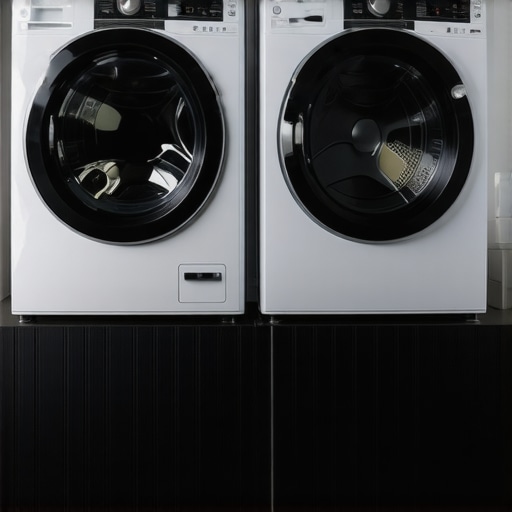
Think of your washer like a shopping cart: the bigger your family, the larger your cart needs to be. For singles or couples, a 4-5 cubic foot front-load washer suffices, but if you have a family of five, aim for 4.5-5.5 cubic feet. When I upgraded my machine, I chose a model with about 4.8 cu ft, which handled my family’s laundry comfortably without wasting space or energy. For detailed capacity recommendations, visit this resource. Proper matching prevents overloading, which causes wear, or under-loading, which wastes resources.
Understand the Benefits of Front-Load vs. Top-Load Washers
Each type has its perks. Front-load washers are energy-efficient, gentle on clothes, and better for small spaces, but they tend to cost more upfront. Top-load washers are typically more budget-friendly and faster for quick laundry cycles. I initially bought a top-load for its convenience, but after trying a front-load, I appreciated its efficiency and quieter operation. To see which suits your needs, check this comparison. Remember, the choice impacts your long-term savings and laundry experience.
Prioritize Energy and Water Efficiency
Efficiency is key, especially with rising utility costs. Look for washers with high Energy Star ratings and water-saving features. I selected a model with a high-efficiency cycle, which cut my water bills by 20% annually. When shopping, compare the Energy Star labels and consider models with load sensing technology that adjusts water levels automatically. This not only saves money but also reduces your environmental footprint. A quick tip: read reviews like this performance guide to see how different models perform in real-world conditions.
Many household owners operate under assumptions about laundry washers that can lead to costly mistakes and inefficiencies. Let’s dig deeper into some of the most widespread myths and misconceptions that often trip up consumers, despite their popularity. Understanding these nuances can empower you to make smarter choices and avoid the common pitfalls that hinder optimal laundry performance.
Why the Size of Your Washer Is Not Always What It Seems
One of the biggest misconceptions is equating washer capacity solely with physical size or drum volume. Many believe that a larger-looking drum always means better for their household. However, manufacturers often measure capacity differently, and a seemingly spacious machine might not fit your actual laundry needs if it’s not calibrated correctly. For example, front-load washers tend to have a higher true capacity than top-load models of similar exterior dimensions, making them more efficient for larger loads. To avoid this trap, check the actual cubic feet measurement and consider your typical laundry volume rather than just the appearance of the machine. For more insights, visit this resource.
Myth: More Features Mean Better Performance
Many consumers assume that the washer with the most bells and whistles automatically delivers superior cleaning and efficiency. But in reality, extra features often mean higher energy consumption and maintenance costs without significant benefits. For instance, overly complex cycles or overly sensitive electronic controls can be prone to breakdowns. Instead, focus on essential features like water efficiency, cycle variety, and user reviews rather than marketing hype. A study by the EPA highlights that simpler, well-designed machines often outperform feature-heavy models in real-world usage, offering better longevity and savings. To find a machine that balances features with reliability, check this comprehensive guide.
Beware of the Energy Star Label as the Sole Indicator
While Energy Star ratings are crucial, relying solely on them can be misleading. Some models with Energy Star certification may still use excessive water or electricity if used improperly or if their load sensing technology isn’t effective. Conversely, lesser-known brands or newer models without the label might perform just as efficiently. The key is to look for real-world performance reviews and verify that the model’s features match your household’s habits. For example, load sensing technology can significantly improve efficiency if it accurately adjusts water and cycle times, but only if it functions correctly. For expert recommendations, explore this comparison guide.
Are Top-Load and Front-Load Really Better in Different Scenarios?
Many assume that front-load washers are always superior due to their efficiency and gentleness, but this isn’t universally true. The right choice depends heavily on your specific laundry needs and space constraints. For small households or spaces where accessibility is an issue, top-load washers might serve better despite their slightly lower efficiency. Conversely, front-load washers excel in energy savings and fabric care but can be more expensive upfront and require more maintenance. The myth that one type is objectively better leads many to overlook their unique advantages. To accurately assess which suits your situation, review this detailed comparison. Remember, the optimal washer balances capacity, efficiency, and convenience tailored to your household’s specific demands.
Have you ever fallen into this trap of misconceptions? Let me know in the comments and share your experiences. Clearing these myths can save you money, time, and frustration in the long run.
Keeping your laundry machine in top shape is crucial for ensuring longevity, efficiency, and optimal performance. Over the years, I’ve tested various tools and methods to maintain my washer, and I want to share the most effective ones with you. Regular maintenance not only prevents costly repairs but also helps you get the best out of your investment. In the future, I predict that smart diagnostic tools and IoT-enabled appliances will make maintenance even more intuitive and data-driven, allowing homeowners to address issues before they escalate.
How do I maintain my washer over time?
One of my favorite tools for ongoing maintenance is a high-quality appliance cleaner like Affresh or OxiClean Washer Machine Cleaner. I personally use Affresh because it effectively dissolves detergent residue, mineral buildup, and mold, which are common culprits of washer odor and performance issues. I run a cleaning cycle with it once a month, especially if I notice any musty smell or sluggish draining. This simple routine keeps the drum and internal components fresh, reducing the risk of breakdowns.
Additionally, I utilize a digital inspection mirror to check behind and underneath the machine periodically. It helps me spot potential leaks or wear on hoses early, before they cause major damage. For hoses, I recommend replacing rubber supply hoses every 3-5 years, upgrading to braided stainless steel ones for durability and safety. I’ve seen many preventable leaks that could have been avoided with regular visual inspections and timely replacements.
To monitor the efficiency of my washer, I rely on a smart energy meter like the Kill-A-Watt. This device measures how much electricity your appliance consumes over time, allowing you to identify if your washer is using more power than it should—possibly indicating internal issues. This proactive approach helps extend your appliance’s lifespan and keeps utility bills manageable.
For routine internal maintenance, I open the access panels of my front-load washer once every six months to clean out the filter and check for debris. Using a soft brush and a mild detergent, I gently remove lint and detergent buildup from the filter and the drum seals. This reduces the risk of mold growth and ensures the washer spins freely. For detailed steps, I follow guidelines from the manufacturer’s manual and supplement with tutorials from trusted appliance repair sites.
Looking ahead, I believe that integration of IoT sensors within washing machines will revolutionize maintenance by providing real-time diagnostics and predictive alerts. This will enable homeowners to schedule repairs proactively, saving time and money. For now, though, sticking with these proven tools and routines will keep your washer running smoothly for years to come.
Don’t forget to try my tip of running a monthly cleaning cycle with Affresh and inspecting hoses regularly—these small steps can dramatically extend your washer’s lifespan and improve laundry results. Stay proactive, and your machine will reward you with reliable service every wash.
When I first started shopping for a new washing machine, I was overwhelmed by the endless options and conflicting advice. It took me years of trial and error to realize that selecting the right washer isn’t just about brand or price but understanding how it fits into my household’s specific needs. Today, I want to share some insider lessons I’ve uncovered that can help you make a smarter, more satisfying choice for your laundry room.
3 Surprising Lessons That Changed How I Pick a Washer
- Size isn’t everything: Don’t be fooled into thinking a bigger drum always means better. Real capacity depends on cubic feet and how you load your laundry. I learned to measure my actual needs and choose a machine that matches my weekly laundry volume, not just the largest model on display.
- Features can be deceiving: More cycles and gadgets don’t always translate to better cleaning or efficiency. I focused instead on essential features like water savings and cycle flexibility, which made a real difference in my utility bills and laundry results.
- Efficiency isn’t just labeled: An Energy Star badge is helpful, but it’s not the whole story. I read real-world reviews and checked load-sensing technology performance to ensure my washer truly saves water and electricity during daily use.
- Matching your household’s habits is key: Whether you have a small apartment or a large family, your laundry needs shape your ideal washer. Focus on capacity, cycle options, and maintenance routines that align with your lifestyle for lasting satisfaction.
Tools That Made My Laundry Smarter
Over the years, I’ve relied on a handful of trusted tools and resources to keep my washer in top shape and make informed decisions. Here are my favorites:
- Affresh or OxiClean Washer Cleaner: Monthly cleaning cycles with these products prevent odors and buildup, extending your machine’s lifespan. I swear by Affresh for its ease and effectiveness.
- Digital inspection mirror: A simple tool that helps me check behind and underneath for leaks or wear on hoses, saving me costly repairs before they happen.
- Smart energy meter like Kill-A-Watt: Monitoring your washer’s power consumption reveals hidden inefficiencies and helps you optimize usage, saving you money over time.
- Manufacturer manuals and online tutorials: Regularly cleaning filters and seals according to these guides keeps my washer running smoothly and avoids mold and debris buildup.
Believe in Your Laundry Journey
Choosing the perfect washer in 2025 is an exciting step toward a more efficient, less stressful laundry routine. Remember, the key is matching the machine’s capacity and features to your specific needs, not just chasing the latest tech or biggest capacity. With the right tools and insights, you’ll enjoy cleaner clothes, lower bills, and a laundry day you can actually look forward to.
What’s been your biggest challenge in finding the right washer? Share your story below and let’s learn from each other’s experiences!