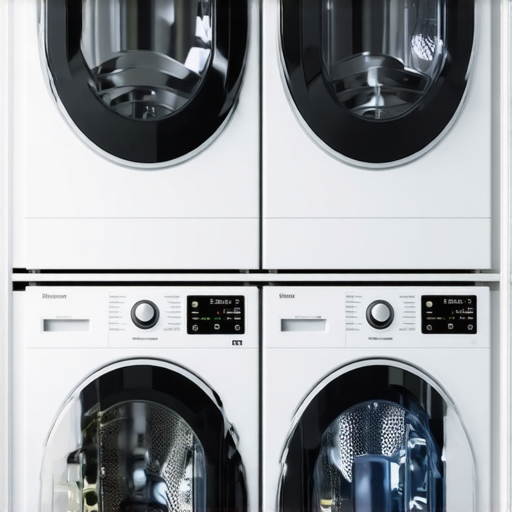
Ever had a laundry day where your washing machine just refuses to cooperate? I remember the frustration of dealing with a noisy, inefficient machine that seemed to make more noise than clean clothes. It was like fighting a losing battle every week. That was my lightbulb moment—realizing that selecting the right washer isn’t just about brand or price, but about understanding what truly fits my needs.
Why Picking the Right Washing Machine Matters More Than Ever
In 2025, the choice between a front load and a top load washing machine can make or break your laundry routine. With technological advances and evolving designs, making an informed decision is essential. If you’ve ever wondered whether a front loader’s energy efficiency outweighs a top loader’s simplicity, you’re not alone. The truth is, the best washer for you depends on your lifestyle, space, and laundry habits.
Is All the Hype About Front Load Washers Justified?
I used to think that all washers were pretty much the same—until I made the mistake of ignoring capacity and efficiency specs early on. That oversight cost me more money and hassle than I care to admit. Now, I recommend doing thorough research. For a comprehensive comparison, check out this comparison guide. It highlights the key differences and helps you decide which type suits your needs best.
Let’s dive into what really matters so you don’t end up making the same mistake I did. Are you facing the dilemma of choosing between a front load or a top load washer? Keep reading, because I’ll walk you through the essentials and arm you with the knowledge to make a confident decision.
Determine Your Laundry Needs
Before diving into specific models, take a moment to assess how much laundry you typically do each week. Think about the size of your household and the types of fabrics you wash most often. For instance, if you have a family of five, a larger capacity front loader might save you time and energy, while a single person might prefer a compact top load for convenience.
Assess Your Space and Accessibility
Measure the available space in your laundry area, including door openings and ventilation. A front load washer often requires more room for door clearance but can be stacked with a dryer to save space. Conversely, a top load washer usually fits into tighter spaces and is easier to load without bending over. Consider what works best for your physical comfort and layout.
Match Capacity to Your Laundry Volume
Capacity is crucial for efficiency and avoiding multiple loads. For larger families or bulky items like comforters, look into washers with a capacity of 4.5 cu ft or more. Smaller households benefit from 2.5 to 3.5 cu ft models, which are easier to fit into compact spaces. Consulting this capacity guide helps clarify your ideal size based on your laundry habits.
Compare Efficiency and Water Use
Modern washers emphasize energy and water efficiency. Front load machines generally use less water and energy than top load models, but high-efficiency top loaders are also available. Look for ENERGY STAR-rated appliances to ensure lower utility bills. A quick review of this comparison can guide your choice.
Evaluate Wash Performance and Features
Washing performance depends on agitation, spin speed, and cycle options. Front loaders tend to have gentler cycles suitable for delicate fabrics, while top loaders often excel at cleaning heavily soiled items. Consider features like steam cycles, allergen removal, and smart connectivity. For a detailed breakdown, review this performance comparison.
Factor in Cost and Warranty
Set a budget but remember that investing in a quality appliance can save money long-term through durability and efficiency. Check warranties and after-sales support, especially for complex features. For insights on value for money, see this cost-benefit analysis.
Test and Finalize Your Choice
If possible, visit showrooms to see models in action. Pay attention to noise levels, cycle duration, and ease of use. Reading user reviews on trusted sites can reveal real-world performance. Remember, the perfect washer fits your lifestyle, space, and budget without compromise.
Many homeowners believe that selecting a washing machine is a straightforward decision based on capacity, price, or brand reputation. However, this common misconception often leads to overlooked nuances that can significantly impact your laundry efficiency and long-term satisfaction. Let’s dig deeper into what most people get wrong and how understanding these subtleties can save you money and frustration.
Are Front Load Washers Really More Efficient or Just a Marketing Gimmick?
While it’s widely accepted that front load washers use less water and energy, the truth is that not all front loaders are created equal. Many models boast impressive efficiency ratings, but these benefits can be offset by higher maintenance costs, such as mold buildup around door seals or more complex repair needs. According to a 2022 study by the Energy Saving Trust, the long-term savings depend heavily on usage habits and proper maintenance. Therefore, don’t just chase the latest eco-labels; consider the actual user experience and ongoing costs. For a comprehensive comparison, check out this comparison guide.
Many assume that higher efficiency automatically means better cleaning, but that’s a myth. Modern top loaders with high-efficiency cycles can deliver comparable results if you set the right parameters. The real key is understanding cycle options and how they match your laundry needs, rather than relying solely on labels or marketing claims.
Don’t Overlook Noise and Vibration, Especially in Small Spaces
One often-neglected nuance is how much noise and vibration a washer produces, especially in apartments or shared living environments. Front loaders tend to operate more quietly but can vibrate significantly if not installed on a solid base. Conversely, some top load models are surprisingly noisy during spinning cycles, disturbing your peace or those around you. This is a critical factor if your laundry area is near bedrooms or living rooms. Check user reviews and manufacturer specifications carefully to avoid surprises after installation.
Additionally, improper installation can amplify these issues. For example, uneven flooring or unsecured machines can cause excessive vibration, leading to damage over time. A quick tip: invest in anti-vibration pads or a sturdy platform to prolong the life of your appliance and maintain peace at home.
Is Bigger Always Better When It Comes to Capacity?
Many assume that bigger capacity models are the way to go, especially for large families. However, a larger drum can lead to longer cycle times and increased energy consumption if not fully utilized. According to this capacity guide, choosing a size that matches your actual laundry volume is more efficient than opting for the largest available model. Overestimating your needs can result in wasted energy and water, despite the larger size.
Another hidden trap is the tendency to overload the machine to justify its capacity, which can negatively affect wash quality and damage the drum over time. Always follow the manufacturer’s load recommendations for optimal performance and longevity.
Have you ever fallen into this trap? Let me know in the comments. By paying attention to these nuanced factors, you can make a smarter, more satisfying choice that goes beyond surface-level specs and marketing hype.
How do I maintain my washing machine over time?
Keeping your washing machine in top shape requires a combination of regular maintenance, the right tools, and a proactive approach. From cleaning filters and seals to monitoring performance, I’ve learned a few techniques that extend my washer’s lifespan and ensure it operates efficiently for years to come.
First, I always start with **cleaning the lint filter and detergent dispenser** monthly. These components tend to accumulate residues that can cause odors or clogging. For this, I use a soft brush and a mixture of vinegar and baking soda, which effectively dissolves buildup without harsh chemicals. Regular cleaning prevents mold and unpleasant smells, especially in front load models prone to seal mold.
Next, paying attention to the **door seals** is crucial. I inspect and wipe them down weekly with a damp cloth, removing any hair, lint, or soap scum. This simple step prevents mold growth and maintains a tight seal, avoiding leaks during operation. For stubborn mold or residue, I recommend using a specialized seal cleaner like OxiClean Washing Machine Cleaner, which I personally find effective.
Monitoring the **drainage system** is essential. I periodically check the drain hose for kinks or clogs and clean the filter trap if your model has one. This prevents water drainage issues and ensures your machine doesn’t overwork. For a deeper clean, I run an empty hot wash cycle with a cup of white vinegar and a quarter cup of baking soda. This dissolves mineral deposits and keeps internal parts in good condition.
Another tip is to keep the **vibration and leveling** of your machine in check. I use a digital level to ensure my washer is perfectly balanced, which reduces wear and tear on the motor and suspension. Installing anti-vibration pads beneath the feet adds stability and minimizes noise—especially useful if your laundry area is near living spaces.
As technology evolves, I predict that smart diagnostic tools embedded in future washers will make maintenance even easier. These systems could alert homeowners to issues before they become costly repairs, similar to how modern cars notify you of engine problems. Until then, a proactive maintenance routine remains your best bet.
Try this advanced tip: Regularly run a maintenance cycle with commercial washing machine cleaner every three months. It keeps internal components free of residues and helps avoid costly repairs down the line. If you’re interested in comparing the benefits of different cleaning products, check out this article on washer maintenance.
Remember, a well-maintained washing machine not only performs better but also lasts longer. Incorporate these simple yet effective maintenance habits into your routine, and you’ll enjoy cleaner clothes and fewer surprises in the future.
Lessons from My Laundry Room Triumphs and Fumbles
- One of the biggest realizations I had was that maintenance is the secret to longevity. Investing a little time in regular cleaning and inspections has saved me hundreds in repairs and kept my clothes smelling fresh.
- Understanding the true capacity of my washer prevented me from overloading and damaging it. It turns out, bigger isn’t always better if it’s not aligned with your actual laundry habits.
- Don’t rely solely on marketing claims about efficiency. Deep research into models’ long-term costs and reviews changed my perspective and saved me money.
- Listening to experts and real user experiences helped me avoid common pitfalls, like noise issues and poor water usage, especially in small spaces.
- Choosing the right washer was a game-changer for my routine — I now enjoy quieter, faster, and more effective laundry days.
My Essential Arsenal for Selecting a Laundry Machine
- Energy Star Ratings: I trust ENERGY STAR-certified models because they balance performance and efficiency, saving me money over time. Check out the latest comparisons for 2025 models on this guide.
- Capacity Guides: To match my laundry volume, I use detailed capacity tips available in this resource.
- Maintenance Tools: Regular use of washing machine cleaners, like vinegar and baking soda, keeps internal parts in top shape. I also rely on a digital level and anti-vibration pads for stability.
- Performance Reviews: User reviews and expert tests help me understand noise levels, cycle times, and cycle options, ensuring I pick a quiet and efficient model. Check out this comparison.
Embrace Your Laundry Journey Today
Making an informed decision about your washing machine can transform your daily routine and save you money and stress. Remember, it’s about finding the model that fits your space, lifestyle, and budget — not just the shiny features on the box. Take action now, do your research, and enjoy the benefits of a smarter laundry experience. Your future self will thank you!
What’s the one feature you prioritize most when choosing a washer? Share your thoughts below and let’s start a conversation!
I’ve recently upgraded to a front load washer and I can definitely notice the difference in water and energy savings, especially with the ENERGY STAR models. However, I found that regular maintenance, like cleaning the door seals and running maintenance cycles, is crucial to keep it performing optimally. One thing I learned the hard way was not to overfill the drum since larger capacity often tempts people to overload, which can affect wash quality and cause wear over time.
I’m curious, for those of you with smaller spaces, how do you handle noise and vibration issues? I’ve read that installing anti-vibration pads can significantly reduce noise, but does anyone have other tips or personal experiences? It feels like finding the perfect balance between capacity, efficiency, and space can be tricky, but with proper knowledge, it definitely pays off.