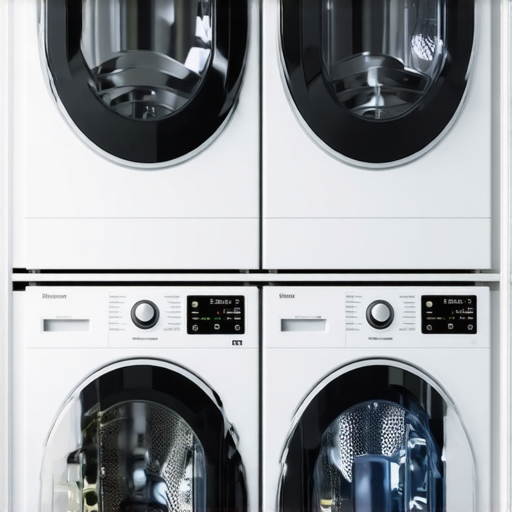
Imagine this: It’s a busy Saturday morning. I’m frantically trying to load yet another batch of laundry into my old washing machine. Suddenly, it jams, stops mid-cycle, and I’m left staring at a flooded laundry room. That moment was my lightbulb moment. I realized choosing the right washer isn’t just about brand or price — it’s about understanding what fits my lifestyle and needs.
Why Picking the Right Washer Matters More Than You Think
Let’s be honest. Laundry is one of those chores that can make or break your week. A good washing machine can save you time, energy, and money, while the wrong one can turn laundry day into a frustrating ordeal. Over the years, I’ve learned that choosing between a top load and a front load washer isn’t just a matter of aesthetics or cost — it’s about understanding your daily routines and laundry habits. Did you know that the capacity and efficiency of your washer can significantly influence your utility bills and water consumption? According to a study by the Department of Energy, choosing an energy-efficient model can save hundreds of dollars over its lifespan.
If you’re struggling to decide which washer type suits your needs, don’t worry. Today, I’ll walk you through the key differences, help you identify what matters most to you, and guide you toward the perfect laundry solution. Whether you’re dealing with a small apartment or a large family, this decision impacts your convenience and your budget.
Is Front Load Really Worth the Hype or Just a Fancy Upgrade?
I’ll admit, I made the mistake early on of assuming that all washers are created equal. I went straight for the front load, thinking it was the modern choice. Turns out, I overlooked important factors like load capacity and water usage. If you’re skeptical about the hype surrounding front loaders, you’re not alone. Many folks fear they’re fragile or high-maintenance. However, understanding the real benefits and pitfalls can help you make an informed choice. Want to see how to compare their efficiency and lifespan? Check out this comprehensive guide to washer capacity and benefits.
So, if you’ve ever faced the dilemma of which washer to buy, or if you’re just starting to explore your options, keep reading. We’ll unpack everything from capacity considerations to energy efficiency, ensuring you find a washer that fits your lifestyle perfectly — not just the latest trend.
Assess Your Space and Budget First
Before diving into models, measure your laundry area to determine what size will fit comfortably. Think of it like choosing shoes — you need the right fit to avoid discomfort later. If your space is tight, a compact top load washer might be ideal. For larger families or heavy laundry, a bigger capacity front load could save time and water. Set your budget early, then look for models that offer the best features within that range. This initial step prevents you from falling for high-end options that don’t suit your needs.
Match Washer Type to Your Laundry Habits
Imagine your laundry routine as a workflow. If you prefer quick loads with minimal bending, a top load washer is straightforward — toss in clothes, select cycle, and go. For energy efficiency and gentler cleaning, a front load washer excels. I once chose a front loader for its modern appeal, but I underestimated the importance of load capacity. When I loaded bulky bedding, it struggled, leading me to revisit washer capacity insights. Understanding your typical laundry volume helps you pick the right type and size.
Consider Capacity for Your Load Size
Think of capacity as the size of a shopping cart. A small cart (say, 3.5 cubic feet) is fine for singles or couples. Larger carts (5+ cubic feet) are better for families or bulky items. I once bought a small washer, assuming I didn’t need more, only to spend extra time doing multiple loads, which defeated efficiency. Use the capacity tips to determine your ideal size. Always choose a machine with slightly more capacity than you think you need — it offers flexibility and prevents overloading.
Prioritize Energy and Water Efficiency
Efficiency features can slash your utility bills. Look for Energy Star-rated models, which use less water and electricity. I switched to an energy-efficient front loader, and the savings surprised me — my utility bill dropped noticeably. To compare options effectively, review the latest washer efficiency ratings. Remember, sometimes paying a little more upfront yields long-term savings.
Evaluate Additional Features and Maintenance
Features like steam cleaning, sanitize cycles, and smart technology can improve your laundry experience. However, weigh whether these extras justify their cost and potential maintenance. I learned this firsthand when my high-tech front load required extra maintenance, which wasn’t worth it for my simple needs. Read the comprehensive guide to features to decide what’s essential for you.
Test and Decide
After narrowing down your options, visit stores or read reviews to see how models perform in real-world use. If possible, ask about warranties and after-sales service. Remember, a good washer should last many years, so invest in a trusted brand with solid support. When I finally tested a few models in person, I found one with a sound I liked and controls I found intuitive, making my decision easier.
Many people assume that selecting a laundry washer is a straightforward decision driven mainly by price, brand, or aesthetics. However, this common belief often leads to overlooked nuances that can significantly impact your long-term satisfaction and efficiency. Let’s dig deeper into what most folks get wrong about choosing the right washing machine, and how you can avoid costly mistakes.
Why the Myth of One-Size-Fits-All Washer Fails
One prevalent misconception is that the same washer model works equally well for everyone. In reality, each household has unique needs based on laundry volume, space, and lifestyle. For instance, a small apartment dweller might prioritize compactness and energy efficiency, while a large family needs high capacity and durability. Relying solely on popular models or brands without considering these nuances often results in dissatisfaction or even premature appliance replacement.
Another often overlooked detail is the importance of understanding load capacity beyond mere cubic footage. Many assume that bigger is always better, but overestimating your needs can lead to inefficiency and longer wash cycles. Conversely, underestimating capacity causes multiple trips or loads, negating efficiency gains. For example, knowing the right capacity ensures you select a machine that balances size with performance.
The Water and Energy Efficiency Trap
Many buyers focus on initial cost and neglect the long-term savings from energy-efficient models. A widespread myth is that front loaders are always more efficient than top loaders. While they often are, this depends on specific models and usage patterns. For example, some top loaders now incorporate advanced water-saving features, which may outperform older front loaders in efficiency. According to an expert analysis, the key is comparing efficiency ratings rather than assumptions about washer types.
Advanced Mistake: Ignoring Maintenance and Longevity
Another hidden trap is neglecting the maintenance requirements and lifespan of different washer types. Many assume that all machines require similar upkeep, but front loaders tend to need more frequent seal and drum maintenance due to their design, especially if used heavily. Overlooking this can lead to unexpected repairs and shorter lifespan. Choosing a model with a reputable warranty and support can save you headaches later. For savvy buyers, reviewing maintenance tips and longevity insights is crucial.
Consider the advanced question: How can I predict the real-world performance of a washer before purchase? The answer lies in detailed reviews, user feedback, and understanding the build quality and water consumption stats. Don’t just go by marketing claims—look for independent ratings and test data.
Have you ever fallen into this trap? Let me know in the comments. Navigating beyond surface-level features ensures you make a truly informed decision that pays off in the long run.
How do I maintain my washing machine over time? Practical tips for longevity
Keeping your washer in top shape requires more than just occasional cleaning. I personally swear by implementing a regular maintenance routine that involves checking and cleaning key components. For example, I schedule a monthly wipe-down of the door seal and detergent drawer to prevent mold buildup. Additionally, running a hot cycle with a cup of white vinegar once a quarter helps dissolve mineral deposits and keeps the drum fresh. This simple step has extended the lifespan of my machines significantly.
Another critical aspect is inspecting and cleaning the filter and inlet screens. Over time, lint, dirt, and mineral particles can clog these parts, causing inefficient operation or leaks. I recommend removing and cleaning your washer’s filter at least twice a year—most models have a dedicated access panel or require a quick disassembly. Regularly checking the hoses for cracks, leaks, or mineral buildup also prevents unexpected failures.
Investing in proper tools makes maintenance easier and more effective. I rely on a soft-bristled brush and microfiber cloth for cleaning surfaces, and a quality drain pan for draining water when needed. For deep cleaning, I use a commercial washing machine cleaner that is safe for your appliance and effective at removing detergent residues and odor-causing bacteria. Remember, consistent upkeep not only prolongs your washer’s lifespan but also ensures optimal performance and energy efficiency.
Future Trends and Tools for Washing Machine Care
Looking ahead, smart technology is poised to revolutionize appliance maintenance. Some modern washers now feature diagnostic systems that alert you to potential issues before they escalate, saving you costly repairs. As these innovations become more affordable, I expect routine maintenance to become more automated and less time-consuming. For now, I recommend using reliable tools like digital leak detectors or moisture sensors—these can help catch leaks early and prevent water damage.
To maximize your washer’s performance and longevity, I suggest trying out a maintenance schedule that combines manual checks with smart monitoring. This approach ensures your appliance remains efficient, saving you money on utility bills in the long run. Remember, a well-maintained washer is an investment that pays off through fewer repairs and better cleaning results.
Choosing the right washing machine can dramatically transform your laundry routine, saving you time, energy, and frustration. My journey from laundry mishaps to confident selection taught me invaluable lessons that I want to share with you today.
The Hardest Lesson I Learned About Washer Selection
- One size does not fit all: I used to think bigger was always better, but overloading my small washer led to poor cleaning and frequent repairs. Realizing my household’s specific needs was the turning point.
- Efficiency pays off: Investing in an energy-efficient model initially seemed costly, but the long-term savings on utility bills proved it to be a smart decision. Don’t overlook the importance of looking beyond the sticker price.
- Maintenance matters: Neglecting regular upkeep shortened my washer’s lifespan. Simple routines like cleaning filters and checking hoses can extend your machine’s life and performance.
- Match your routine: Whether you prefer quick loads or gentle cleaning, selecting a washer that aligns with your laundry habits makes life easier and more efficient.
- Research and testing: Reading reviews, testing models in-store, and understanding real-world performance helped me avoid costly mistakes and find a washer truly suited to my needs.
My Favorite Resources for Washer Wisdom
- Comprehensive capacity guide: This helped me determine the right size for my household, avoiding under or overloading.
- Efficiency ratings overview: Comparing models based on water and energy use kept my utility bills in check.
- In-depth buyer’s guide: This resource illuminated the pros and cons of each washer type, helping me make an informed choice.
- Maintenance and longevity tips: Regular upkeep recommendations that I now follow religiously to ensure my washer’s durability.
Your Next Step Toward Laundry Confidence
Finding the perfect washing machine is a blend of understanding your needs, doing thorough research, and committing to proper maintenance. The right washer isn’t just a purchase; it’s an investment in your daily comfort and efficiency. Trust your instincts, leverage the right resources, and don’t be afraid to ask questions or test models in person. Your ideal laundry companion is out there — waiting for you to discover it.
Have you ever struggled with choosing the right washer? What did you learn from that experience? Share your story below and let’s learn from each other’s laundry adventures!