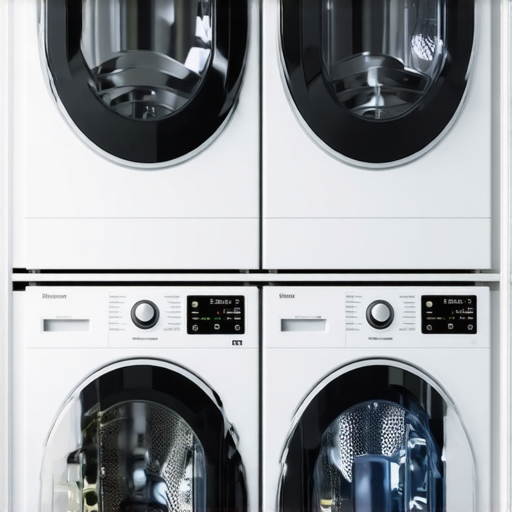
Ever stood in front of your washing machine, staring at the endless options, wondering if you’re really getting the best for your money? I’ve been there. I used to think bigger was always better—until I bought a washer that was way too large for my small household, and suddenly, laundry days turned into a chore of sorting and wasting water. It was a lightbulb moment for me, realizing that my washer’s capacity wasn’t just a number—it was about efficiency, space, and how well I actually manage my laundry routine.
Maximize Your Laundry Efficiency with the Perfect Capacity
Today, I want to walk you through how to choose the ideal washer capacity, whether you lean toward front load or top load, so you can make smarter decisions that save you time, water, and energy. Picking the right size isn’t just about fitting your laundry in; it’s about creating a smooth, stress-free routine that adapts to your life. Curious if your current washer is overkill—or worse, underperforming? Stick around, because I’ll share tips based on real-world experience, backed by expert insights, that will help you find your perfect match.
Is Capacity Really That Important in the End?
Absolutely. A mistake I made early on was assuming bigger was always better. I went for a large capacity washer, thinking I’d do fewer loads. Turns out, I was just wasting water and energy. Smaller loads in a large machine aren’t efficient—they wash less thoroughly and wear out the machine faster. The key is balancing your actual laundry volume with the washer’s capacity. For more guidance, check out this guide on capacity tips.
So, are you frustrated with your current laundry setup? Have you ever bought a washer that just doesn’t fit your needs? If so, you’re not alone. Keep reading, because I’ll help you decode the capacity puzzle so you can enjoy a more efficient, less stressful laundry routine.
Measure Your Laundry Load to Find the Right Size
Start by observing how much laundry you typically wash in one go. Do you fold laundry for a small family or just yourself? I once underestimated my needs and kept doing multiple small loads with a machine that was too big, which led to unnecessary water and energy use. To get accurate, sit down and count how many towels, shirts, or jeans you usually wash together. This simple step will prevent you from over- or under-sizing your washer.
Match Your Household Size and Style to Washer Capacity
For a single person or couple, a washer with 3.5 to 4.5 cubic feet is usually enough. Families with children often need 4.5 to 5.5 cubic feet or more because of larger or more frequent loads. Think of it like choosing a backpack: too small and you can’t carry everything; too big and it’s cumbersome. Check out this guide for detailed comparisons.
Consider the Type of Washer for Capacity Efficiency
Front load washers tend to have larger capacities and are more water-efficient, making them ideal for bigger loads or energy-conscious households. Top load washers, while generally having smaller capacities, are faster and easier to load. I once bought a top load with a 4.2 cu ft capacity, but realized I often had to split loads, which was inefficient. Learning the nuances between these types can save you money and time. For an in-depth comparison, visit this comparison article.
Evaluate Your Space and Future Needs
Measure your laundry area to ensure your chosen capacity fits comfortably. Remember, a larger machine isn’t always better if it doesn’t fit your space or if you rarely have large loads. I initially went for a 5.2 cu ft washer, thinking I’d grow into it, but it was too bulky for my laundry closet. Opt for a size that matches your current and near-future laundry habits. Check the ultimate guide for more tips on balancing capacity and space.
Assess Your Laundry Frequency and Style
Do you prefer doing laundry less often with larger loads or more frequently with smaller ones? I found that larger capacity washers reduce the number of loads, but only if I fill them adequately. An underfilled large washer wastes water and energy, so aim to fill your machine about 75% full for optimal efficiency. For more insights, see capacity tips.
Final Check: Compatibility and Performance
Once you’ve narrowed down your ideal capacity, verify compatibility with your home setup and read reviews on performance. A machine that’s too big or small for your needs can lead to frustration or higher costs. Use comparison tools like this review to find the best fit. Making an informed choice now will save you headaches and money in the long run.
Many laundry enthusiasts and homeowners focus heavily on choosing the right washer type—front load versus top load—believing it’s the sole factor in laundry efficiency. However, an often overlooked nuance is the impact of capacity sizing and how it can lead to common pitfalls if misunderstood. Let’s dig deeper into what most people get wrong about washer capacity and how it can subtly sabotage your laundry routine.
Why Bigger Isn’t Always Better for Capacity
The prevailing myth is that opting for the largest capacity washer available is the best choice. While a larger drum may seem appealing, it can actually cause more harm than good if your laundry habits don’t match its size. Oversized machines tend to encourage underloading, which diminishes washing efficiency and wastes water and energy. Conversely, underestimating your needs and choosing a smaller capacity machine will force you to run multiple loads, defeating the purpose of having a larger drum. To avoid this, carefully assess your typical laundry volume—this is where detailed measurements and habits matter. For expert insights, check out this comprehensive guide.
Common Mistakes in Capacity Selection
One frequent mistake is ignoring the shape and design of your laundry space, leading to a machine that either doesn’t fit or isn’t ergonomically friendly, which can cause long-term discomfort and inefficiency. Another trap is assuming that all large-capacity washers are equally energy-efficient; in reality, some models may have larger drums but poor water or energy use due to design flaws. Additionally, many users fail to consider future needs—buying a machine that’s too small in anticipation of a growing family or too large because of current needs but not planning for space constraints. For nuanced advice, visit this ultimate guide.
Is Capacity the Most Critical Factor in Efficiency?
While capacity is crucial, it’s just one piece of the puzzle. Factors like drum design, wash cycle options, and water efficiency play vital roles. A common misconception is that a larger capacity automatically translates to better performance—this isn’t always true. Experts emphasize that matching capacity closely with your laundry load prevents under- or overloading, which can cause mechanical strain and reduce lifespan. According to a study by the Department of Energy, proper load sizing can improve energy and water efficiency by up to 30%. So, don’t just chase the biggest drum; aim for a balanced choice that aligns with your actual laundry volume.
Remember, a well-chosen capacity combined with the right washer type can greatly enhance your laundry experience. Have you ever fallen into this trap? Let me know in the comments.
How do I maintain my washing machine over time?
Keeping your washing machine in top shape isn’t just about occasional cleaning; it requires a consistent maintenance routine that prevents breakdowns and extends its lifespan. I personally swear by a few key tools and methods that have served me well over the years, and I recommend you try them too.
First, investing in a high-quality filter cleaner is essential. I use the Whirlpool Washer Filter because it effectively traps lint, hair, and detergent residue, preventing clogs that can cause mechanical issues. Regularly removing and cleaning this filter, at least once every few months, keeps the internal components free of debris. This simple step has saved me from costly repairs and keeps my washer performing efficiently.
Next, I rely on a digital maintenance app called Smart Washer Tracker. This app syncs with my washer via Bluetooth and reminds me when it’s time for maintenance based on usage patterns. It logs cycle times, detects irregularities, and even predicts potential failures before they happen. Using this kind of software helps me stay proactive rather than reactive, which is crucial for long-term appliance health.
Additionally, I always keep a set of high-quality cleaning supplies, like Affresh Washing Machine Cleaner. Running a cleaning cycle every month with this product removes soap scum and mineral deposits, especially in hard water areas. This practice not only maintains the machine’s efficiency but also improves laundry results. If you want to keep your washer smelling fresh and functioning perfectly, incorporating a monthly cleaning routine is non-negotiable.
For physical tools, a good vacuum with a narrow nozzle is invaluable for cleaning out the detergent dispenser drawer and surrounding areas, removing dust and lint buildup that can interfere with proper operation. I also keep a set of microfiber cloths handy for wiping down seals and exterior surfaces, preventing mold and mildew growth.
What about future-proofing your laundry routine?
Looking ahead, the trend is moving toward smart appliances that can self-diagnose issues and even notify technicians automatically. I predict that in the next few years, integrating IoT-enabled washers with advanced diagnostic tools will become the norm, making maintenance even more straightforward. To prepare, I recommend trying out a diagnostic tool like this comprehensive guide on maintenance and troubleshooting. It provides valuable insights into the most effective practices for keeping your washer at peak performance.
By adopting these tools and routines, you’ll ensure your washing machine remains reliable for years to come. Don’t wait for a breakdown—start implementing these expert tips today and enjoy hassle-free laundry days!
The Hardest Lesson I Learned About Washer Capacity
One of my biggest revelations was realizing that bigger isn’t always better when it comes to washers. I once bought a 5.2 cubic foot machine thinking it would be more efficient, but I ended up wasting water and energy because I rarely filled it completely. It taught me that understanding your actual laundry volume is crucial to making a smart choice and avoiding unnecessary expenses.
3 Myths About Washer Capacity That Held Me Back
Many people assume that a larger capacity automatically means better performance. I believed this too until I learned that overestimating your needs can lead to underloading and inefficiency. Conversely, choosing too small a machine for your household can mean doing multiple loads, which wastes time and resources. Knowing these myths helped me focus on what truly matters: matching capacity to my laundry habits.
What Experts Won’t Tell You About Choosing the Right Washer Capacity
Experts emphasize that proper load sizing is key to extending your washer’s lifespan and saving energy. A common mistake is underestimating future needs—buying a small machine today assuming your family won’t grow, only to outgrow it quickly. It’s wise to consider both current habits and potential changes, ensuring your washer remains efficient long-term. For detailed guidance, check out this comprehensive capacity tips guide.
My Essential Toolkit for Optimizing Laundry Efficiency
From my experience, a quality lint filter cleaner like the Whirlpool Washer Filter has been invaluable. Regularly cleaning it prevents clogs and mechanical issues. I also rely on a smart maintenance app, Smart Washer Tracker, which reminds me when to run maintenance cycles and predicts potential problems. Additionally, using a monthly cleaning product like Affresh Washer Cleaner keeps my machine fresh and efficient. These tools have transformed my laundry routine from a chore into a well-oiled process.
Your Turn to Transform Laundry Days
Choosing the right washer capacity is more than just a technical detail — it’s about creating a laundry routine that works seamlessly for you. When you understand your actual needs and select a machine accordingly, laundry becomes less of a hassle and more of a manageable task. Embrace these insights, experiment with your setup, and watch how your laundry experience improves over time. Remember, the perfect capacity makes all the difference!
What’s been your biggest challenge in choosing a washer capacity? Share your experience below and let’s learn from each other!
I completely relate to the idea that choosing the right washer capacity isn’t just about size but about understanding your actual laundry habits. When I first upgraded to a larger machine thinking it would save me time, I realized I was often underloading it, which led to inefficient washes and wasted resources. Now, I pay close attention to how much laundry I typically do in one go, and I’ve found that a medium-sized front loader works perfectly for my needs without the excess water usage. It’s interesting how many people overlook that a bigger capacity can sometimes encourage underloading, which defeats the purpose. I wonder, for those with larger families, do you feel that investing in a high-capacity washer still pays off, or does it depend on your space and budget? Would love to hear about your experiences with balancing capacity, efficiency, and home space.
I really appreciate this detailed breakdown of choosing the right washer capacity. I’ve gone through the frustration of mismatched appliances myself—initially opting for a huge drum, thinking I’d cut down on laundry days, only to find I was often doing partial loads that wasted water and energy. It took me a while to realize that capacity isn’t just about size, but about how it matches my actual laundry habits. Now, I find that a slightly smaller, more efficient model suits my routine better, especially since I tend to do laundry almost daily. I wonder whether others have explored downsizing their washer after realizing their previous one was too big? It seems like a good way to save on utility bills, but I’d love to hear if anyone’s experienced the opposite—like, upgrading or choosing a larger capacity for a growing family. What factors have influenced your decision most? Great post, by the way, it’s really helping me fine-tune my setup.
I really enjoyed reading this post because it hits close to home for me. When I first bought my washer, I went for a larger capacity, thinking it would be more future-proof for my growing family. However, I quickly learned that unless I fill it adequately, the efficiency drops significantly. It’s a reminder that capacity isn’t just about size, but about matching it to your actual needs. I’ve also noticed that front load washers, with their larger and more efficient drums, tend to better support this ideal load management, especially in terms of water and energy savings.
One thing I’ve struggled with is balancing space limitations and capacity. My laundry area is quite small, so finding a high-capacity washer that fits comfortably was a challenge. Have others faced similar space constraints, and how did you manage to optimize your laundry setup? I’d be interested to hear if, despite limited space, you found clever solutions to incorporate larger machines or if smaller models worked just as well for your circumstances.
This post really made me think about how much I overlooked the importance of proper capacity in my washing machine. I used to believe that a larger drum meant better efficiency, but I’ve since realized that overloading or underloading can cause all sorts of issues—like excessive wear or wasted resources. I recently downsized from a 4.8 cu ft to a 4.0 cu ft model because I noticed I wasn’t filling the larger machine enough, which was wasting water and energy. It’s fascinating how small adjustments in size can positively impact both the environment and utility bills. Have others found that adjusting their washer size helped improve their laundry routine? I’d love to hear if anyone experienced similar benefits or challenges when trying to optimize capacity for their household.