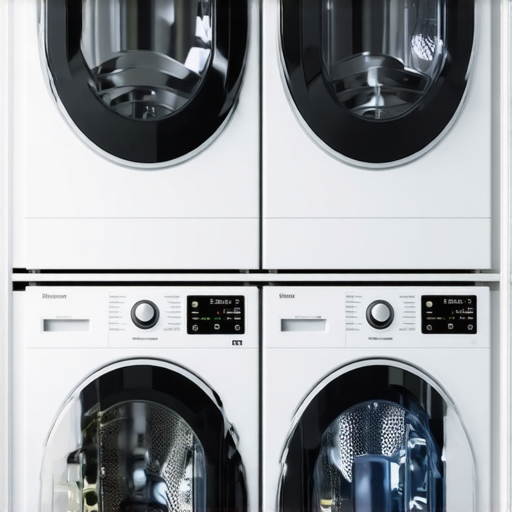
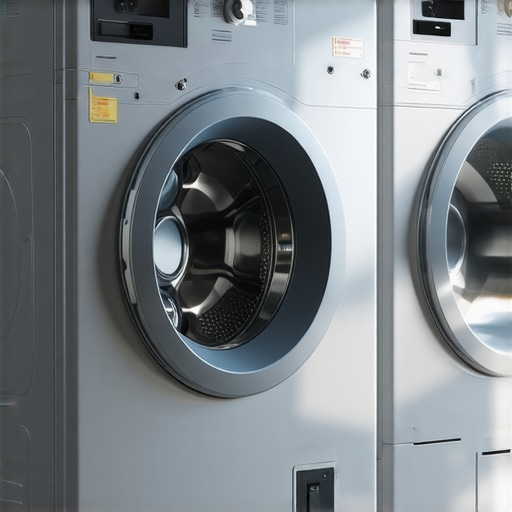
I remember the exact moment I realized I had made a costly mistake with my washing machine. It was a chaotic Saturday, laundry piled up, and my old washer suddenly stopped mid-cycle, leaving me with soggy clothes and a mountain of frustration. That lightbulb moment made me dive deep into the world of washing machines, and let me tell you, choosing the right one isn’t as simple as it seems. With so many options, I kept asking myself, “Am I better off with a front load or a top load?” and honestly, I wish I knew then what I know now.
Why Deciding Between Front Load and Top Load Matters More Than Ever
In 2025, selecting the right washing machine can make a huge difference in your daily routine, energy bills, and even your laundry results. The market is flooded with choices, but understanding the key differences can save you from costly mistakes and endless frustration. Whether you’re looking for efficiency, capacity, or convenience, knowing the advantages of each type will help you make an informed decision. Curious about which one fits your lifestyle? I’ll walk you through the pros and cons, backed by real-world experience and expert insights, so you can finally find that perfect laundry partner.
Is the hype around front load or top load washers actually justified?
Early on, I fell into the trap of assuming that bigger was always better—more capacity, more features, more everything. But I overlooked a critical mistake: I didn’t consider my laundry habits and space constraints. As a result, I bought a machine that was either too large or inefficient for my needs. After researching further through comprehensive guides, I discovered that both types have their unique benefits, and the right choice depends on your specific circumstances. Want to avoid my rookie mistake? Check out this ultimate guide to choosing between front load and top load washers in 2025 for a detailed breakdown.
In the next sections, I’ll help you weigh the advantages of each, so you can confidently choose a washer that suits your laundry needs and budget. Ready to dive in? Let’s get started and turn laundry day into a breeze rather than a chore!
}**
Assess Your Laundry Needs and Space
Start by evaluating your laundry habits. Do you wash daily or weekly? Do you need a machine with a large capacity or a compact one? Measure your laundry space accurately, considering door clearance and ventilation. If your laundry area is tight, a top load washer might be more suitable, while front load models often fit better in modern, open spaces. To compare capacities and find the best fit, visit this capacity comparison guide for detailed insights.
Match Capacity to Your Laundry Volume
Choosing the right capacity is crucial for efficiency. A machine that’s too small will require multiple loads, wasting time and energy. Conversely, an oversized washer can be inefficient and unnecessary. Use this capacity tips guide to determine the ideal size based on your family size and laundry frequency. Remember, front load washers typically offer higher capacities in a more energy-efficient package, which is perfect for larger households.
Evaluate Energy and Water Efficiency
Modern washers are designed to save resources, but some models outperform others. Look for Energy Star ratings and water-saving features. Front load washers usually consume less water and electricity due to their design, which makes them more cost-effective over time. To understand the differences in efficiency, check out this performance comparison. This step ensures your investment pays off through lower utility bills.
Consider Your Budget and Long-term Costs
Set a realistic budget, but also factor in long-term savings. Front load washers often have higher upfront costs but lower operating expenses, while top load washers can be cheaper initially but less efficient. Also, account for maintenance and repair costs—front load models tend to require more maintenance due to their complex design. To weigh these options, visit this cost analysis resource.
Test and Compare Before You Buy
If possible, visit appliance stores to see models in person. Run a quick cycle to gauge noise levels, cycle options, and ease of use. Read reviews and ask salespeople about durability and customer satisfaction. Remember, a good washing machine should integrate seamlessly into your routine, providing reliability and efficiency. For a detailed buying checklist, check out this comparison guide.
While many believe that selecting between a front load and top load washer is straightforward, there are subtle pitfalls even seasoned shoppers often overlook. One of the most widespread misconceptions is assuming that bigger capacity always means better performance. In reality, oversizing your machine can lead to inefficiencies, higher energy consumption, and unnecessary costs. Conversely, choosing a machine with too small a capacity results in multiple loads, wasting time and water. To avoid this, it’s crucial to accurately assess your laundry volume, which can be better understood through expert guidance on capacity selection. For an in-depth look, check out this capacity tips guide.
Another often overlooked nuance is the misconception about water and energy efficiency. Many assume that front load washers are always the most efficient choice, but this isn’t universally true. The efficiency heavily depends on specific models and their features. For instance, some top load washers now incorporate advanced water-saving technologies that rival or surpass traditional front load models. Relying solely on brand reputation without scrutinizing the technical specs can lead to subpar savings. To make an informed decision, consider examining the performance comparison and energy ratings.
Is the front load versus top load debate just a myth for efficiency?
Many believe that front load washers are inherently more efficient than top load models. While generally true in terms of water and energy consumption, this isn’t a universal rule. The efficiency depends on the specific model, cycle options, and how you use the machine. For example, some top load washers with modern technology now match or outperform older front load units in efficiency. Misjudging this can lead you to invest in a machine that doesn’t meet your savings expectations. A comprehensive review like this comparison can help clarify which type truly offers the best efficiency for your needs.
Furthermore, many consumers fall into the trap of focusing solely on initial costs without considering long-term maintenance and operational expenses. Front load machines tend to have higher upfront prices but lower ongoing costs, while top load washers can be cheaper initially but may incur higher energy bills over time. Carefully weigh these factors, and don’t forget to review the cost analysis resource to make a balanced decision.
Have you ever fallen into this trap? Let me know in the comments.
How do I maintain my washing machine over time?
Maintaining your washer isn’t just about fixing issues when they arise—it’s about proactive care that extends its lifespan and keeps it performing at its best. Personally, I recommend starting with regular cleaning routines. For front load washers, this means running a maintenance cycle with a specialized cleaner like affresh or a mixture of white vinegar and baking soda to eliminate detergent buildup and mold. Top load models also benefit from periodic cleaning, especially around the agitator and inlet filters. Why is this important? Because buildup and mold can cause unpleasant odors, decrease efficiency, and even lead to mechanical failure. A quick monthly cleaning with the right products prevents these issues and maintains optimal operation.
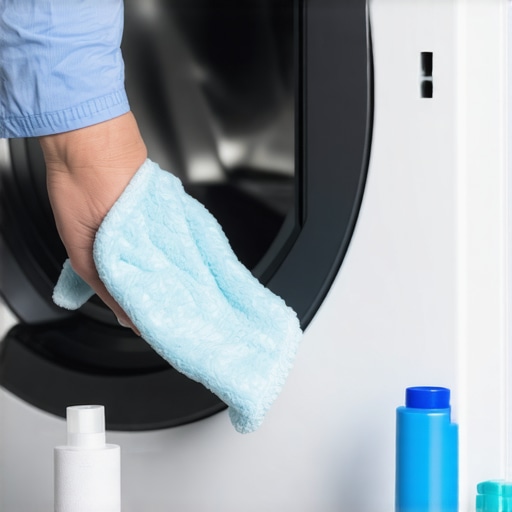
Another key maintenance tip is inspecting and cleaning the door seals and filters. For front loaders, the rubber gasket can trap dirt and detergent residue, which should be wiped down regularly with a damp cloth. For top loaders, check the inlet filters for debris that could impede water flow. Keeping these parts clean ensures water flows properly and prevents mold growth, which is a common complaint among users.
Don’t forget to check the water inlet hoses for cracks or leaks annually. Replacing old hoses with high-quality braided stainless steel ones can prevent leaks and water damage, saving you money and hassle. Also, ensure your washer is level; an unbalanced machine can cause excessive vibration and damage over time. Adjusting the feet is simple but crucial for long-term health of your appliance.
Tools I recommend for ongoing maintenance
For me, a digital multimeter is invaluable for troubleshooting electrical issues. I personally use the Fluke 117, which helps verify that the control board and motor are functioning correctly without needing to call a technician. Additionally, a good set of screwdrivers and a socket wrench set allows me to access internal parts for deep cleaning or repairs. For cleaning, I rely on a microfiber cloth and a soft brush to reach into tight spots without damaging sensitive components.
As technology advances, smart diagnostic tools are becoming more accessible. Some newer washers come with app-based diagnostics that can alert you to issues before they escalate. Investing in these tools can save time and money by catching problems early and guiding you through simple repairs.
Looking ahead, I predict that maintenance will become even more automated. Future washers might include self-cleaning cycles, sensor-based diagnostics, and remote troubleshooting via smartphone apps. Keeping your machine in top shape will then be as simple as scheduling routine checks through an app, making appliance care more accessible to everyone.
If you want to get serious about keeping your washer in peak condition, try implementing a monthly cleaning routine with vinegar and baking soda, combined with inspecting hoses and seals. Trust me, this small effort pays off in extending your appliance’s life and maintaining its efficiency.
The Hardest Lesson I Learned About Washing Machines
- I once bought a top load washer without considering my small laundry space. The bulky machine didn’t fit well, and I ended up wasting money on a model that was inconvenient to use.
- Falling for the myth that bigger capacity always means better performance led me to oversize my washer, which increased my energy bills unnecessarily. Knowing my actual laundry volume saved me from this mistake.
- Initially, I overlooked the importance of water and energy efficiency ratings. Switching to models with better ratings significantly cut my utility bills and environmental impact.
- Regular maintenance, like cleaning seals and inspecting hoses, extended my washer’s lifespan and kept it running smoothly, saving me costly repairs.
- Getting expert advice and doing thorough research before buying helped me avoid buyer’s remorse and find a washer that truly fits my needs.
My Essential Toolkit for Laundry Machine Success
- Energy Star-rated washers: I trust these models for their proven efficiency, which lowers both bills and environmental impact.
- Capacity guides and comparison charts: These resources help me pick the right size, avoiding waste and multiple loads.
- Maintenance tools: A microfiber cloth, vinegar, baking soda, and a multimeter keep my washer in top shape and detect issues early.
- Expert blogs and reviews: Following trusted sources like this comprehensive guide has been invaluable for making informed decisions.
Your Turn to Make a Difference
Choosing the right washing machine in 2025 isn’t just about price—it’s about understanding your unique laundry needs and making smart, informed decisions. Take the time to evaluate your space, habits, and long-term costs. The right washer can transform laundry from a chore into an effortless part of your routine. Ready to find your perfect match? Dive into the detailed guides and tips I shared, and don’t hesitate to start your appliance upgrade today!