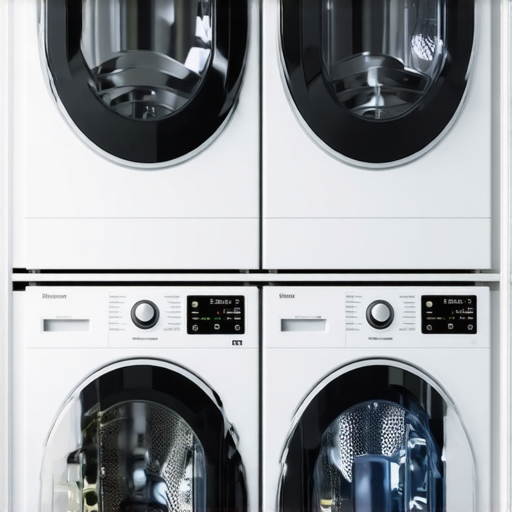
I remember the moment vividly—standing in my laundry room, overwhelmed by that stubborn musty smell emanating from my washer, despite running cycle after cycle. It hit me like a ton of bricks: I was neglecting the sneaky grime hiding in places I never thought to check. That realization sparked a mission to identify the elusive spots that harbor odors and cause my laundry to come out less than fresh every time.
The Hidden Culprits Lurking in Your Washer Could be Making Your Clothes Smell Worse
Imagine this: you toss in your favorite weekend laundry, confident that your new detergent and cycle choices will handle everything. Yet, somehow, your clothes still emerge with that faint but persistent smell of sweat, mildew, or dampness. It’s frustrating, and honestly, it can be pretty discouraging. The truth is, common cleaning routines often miss some of the grime left behind in the nooks and crannies of your washing machine. These overlooked spots become breeding grounds for bacteria and mold, which lead to unpleasant odors and, over time, even damage your machine’s efficiency.
What’s worse, a single unnoticed spot can compromise dozens of loads—turning clean laundry into a source of stress rather than freshness.
Is Your Laundry Smelling Worse Despite Regular Cleaning? Here’s Why
Early in my laundry journey, I made the mistake of thinking a quick wipe of the door seal was enough. I overlooked deeper issues like buildup inside the detergent dispenser, the drain pump, or the gaps around the agitator. These are the places where dirt, soap scum, and bacteria tend to creep in, creating that gross smell that lingers long after the cycle ends. In fact, recent studies suggest that bacteria thrive in moist environments like washing machines, especially in less visible places, making regular cleaning essential (source: [CDC – Mold and Mildew](https://www.cdc.gov/mold/faqs.htm)).
By ignoring these spots, I was unintentionally sabotaging my efforts and subjecting my family’s clothes to lingering odors. If you’ve noticed your laundry never smells quite right anymore or your machine seems to smell worse than before, you’re not alone. The good news? Recognizing and tackling these hidden grime spots can restore freshness to your laundry and extend the life of your washer.
So, are you ready to become familiar with these sneaky grime havens? In the upcoming sections, I’ll guide you through identifying and cleaning these problem areas—no fancy tools required. Before that, though, let’s address a common skepticism many have: Is spending extra time on cleaning really worth it? Trust me, the effort pays off in cleaner, fresher clothes, and a more reliable washer. Keep reading to see how I finally solved this stubborn problem in my home.
Empty and Prepare Your Washer
Start by ensuring your washer is empty. For top load models, open the lid; for front loaders, open the door. Wipe the exterior with a damp cloth to remove dust and grime. Remove any detergent dispensers or trays, setting them aside for cleaning.
Target the Detergent Dispenser and Gasket
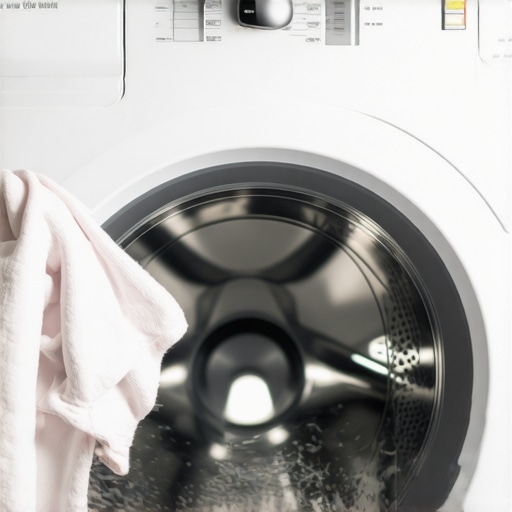
Pull out the detergent drawer and soak it in warm water. Use a soft brush or cloth to scrub away soap scum and residue. For the gasket or door seal—especially in front load washers—lift the rubber edge to locate hidden mold and dirt. During my last cleaning, I used a microfiber cloth soaked in a vinegar solution to wipe all around the gasket, revealing a significant buildup that was causing odor. This small step made a noticeable difference in eliminate musty smells.
Clean the Drain Pump and Filter
Locate the drain pump filter—usually at the front bottom panel of your washer. Place a shallow container or towel underneath to catch water. Unscrew or pull out the filter, remove debris, lint, and soap scum. Rinse thoroughly before reinserting. Regularly cleaning this prevents foul odors and ensures proper drainage, which is essential for fresh-smelling laundry. If your washer has a dedicated filter cleaning cycle, run it now, or check your user manual for specific instructions.
Run a Cleaning Cycle with Hot Water
Set your washer to the hottest and longest cycle. Add two cups of white vinegar or a specialized washing machine cleaner. For a more natural approach, I prefer vinegar because it dissolves mineral deposits and bacteria. During my first attempt, I noticed the water turning dark, indicating the amount of grime being flushed out. After the cycle, wipe the door seal and drum to remove residual residues. This step is crucial to eliminate biofilms and mold that cause persistent odors.
Focus on Regular Maintenance
To keep your washer in top shape, repeat this cleaning process once a month. Always leave the door or lid open after cycles to allow air circulation. Remember, overloading the washer can hinder effective cleaning and cause grime buildup. Check out this capacity guide to optimize loads, or test your washer’s capacity with practical methods like the towel or heavy blanket tests discussed here. Regularly inspecting and cleaning these hidden areas ensures your laundry remains fresh and extends the life of your machine.Many users think that larger washer capacity always means better cleaning or efficiency, but this isn’t necessarily true. **Overloading** your machine can hinder its performance by preventing proper agitation and rinsing, leading to residual soap scum or even mechanical strain. Conversely, underloading wastes water and energy, defeating the purpose of a full-sized machine. Recent research indicates that optimal load size improves cleaning performance and extends washer lifespan, emphasizing the importance of understanding your machine’s actual capacity. For instance, a common myth is that front load washers consume less water regardless of load size, yet studies show that overloading or underloading can both cause water waste and ineffective cleaning. To truly leverage your washing machine’s potential, you should perform practical load tests, like the towel or heavy blanket tests, to grasp its real capacity, rather than relying solely on the label. Additionally, many overlook the nuanced differences between top load and front load washers in handling bulky items; top loaders often struggle with king-sized comforters due to drum size and agitator design. Advanced users should also be aware of the ‘hidden’ grime traps in washers—such as under the detached tub or inside the door seal—where bacteria and mold thrive, contributing to odors and fabric damage. Regular maintenance, including cleaning the drain pump filter and inspecting internal components, can prevent these issues. And if you want to ensure your laundry routines align with the most energy-efficient practices, explore washers with low operating costs, as highlighted in our [top energy-efficient models](https://washers.smartappliancereview.com/6-energy-efficient-washers-with-the-lowest-operating-costs-2026). Remember, understanding the science behind washer capacity and design helps avoid common pitfalls and enhances your laundry results. Have you ever fallen into this trap? Let me know in the comments.Maintaining your washing machine’s performance over time requires investing in the right tools and establishing effective routines. One essential tool I personally recommend is a digital infrared thermometer. This device helps me monitor the temperature of my washer’s drum and exterior surfaces to ensure it operates within manufacturer’s specifications, preventing overheating or undue strain that can lead to premature wear. Additionally, investing in a reliable flashlight or inspection mirror allows me to easily inspect hidden areas like the door gasket and drain pump for mold, debris, or damage without dismantling the machine unnecessarily.
For routine maintenance, I suggest creating a scheduled cleaning routine that includes running a hot water cycle with dedicated washing machine cleaner or white vinegar once a month. Using a high-quality cleaning product such as Affresh or a simple vinegar and baking soda mix can break down soap scum and biofilm buildup. As I often find, maintaining internal components like the drain pump and filter is crucial—some front load washers are equipped with easily accessible filters, but for those without, a flexible addition like a drain snake or small brush can suffice to remove accumulated debris.
In terms of software, I utilize smart home integrations—many modern washers connect to Wi-Fi and can alert me when cycles complete or if maintenance is needed. For example, some brands now offer apps that monitor cycle history, detect anomalies, and recommend specific maintenance actions, which can extend the lifespan of your appliance.
Prediction-wise, this trend towards intelligent diagnostics is set to deepen, potentially allowing washers to self-report issues or even schedule professional repairs autonomously. Embracing these technological advancements can save you both money and downtime in the long run.
**How do I maintain my washer over time?** Consistent inspections and using the right cleaning tools make all the difference. I advise checking the manufacturer’s manual for specific maintenance intervals and part replacement suggestions, especially for parts like suspension rods or the drum belt, which wear out over years of use.
For example, ensure the drain pump is functioning optimally by listening for abnormal noises or irregular draining—regular inspections can prevent water damage and lingering odors. The CDC recommends inspecting and cleaning mold-prone areas such as door seals and detergent dispensers regularly to prevent mold growth and odors (source: [CDC – Mold and Mildew](https://www.cdc.gov/mold/faqs.htm)).
Finally, do not neglect load testing your washer periodically. Use a heavy load like a denested set of towels or a weighted blanket to confirm your machine can handle its rated capacity without strain. Proper load management not only maintains washing efficiency but also reduces mechanical stress. I personally perform this load test quarterly, following methods outlined in our detailed guide.
Remember, investing in precise tools, following a maintenance schedule, and staying informed about your specific model’s needs will keep your laundry routine smooth and your washer performing at its best for years to come. Try using a digital infrared thermometer during your next cleaning session to spot potential issues early—little steps like this make a big difference. For more advanced maintenance ideas, explore our in-depth recommendations on preventing common issues like mold buildup and mechanical failure.As I reflect on my journey toward cleaner, fresher laundry, one truth stands out: mastering washer maintenance isn’t just about routine cleaning—it’s about understanding the intricate dance of all those hidden spots that harbor grime and odors. My lightbulb moment came when I realized that neglecting even one nook could undo all my hard work. This revelation made me dive deeper into the mechanics and environments that influence my washer’s performance, revealing that knowledge truly is power in achieving laundry perfection.
The Surprising Lessons My Washer Taught Me About Capacity and Care
- Overloading might seem efficient, but in reality, it piles on the grime and hampers cleaning. The 20-pound denim test became my go-to method for gauging real capacity, reminding me that bigger isn’t always better.
- Maintaining a clean door gasket and drain pump isn’t just about odor control—it’s fundamental to preserving the lifespan of my machine and ensuring each load is as fresh as possible.
- Monitoring internal components with simple tools like a digital infrared thermometer can preempt costly repairs, proving that proactive care beats reactive fixes every time.
- The insight that regular cleaning cycles, tailored to my washer’s needs, can eliminate biofilms and mold, demonstrated the importance of consistent maintenance routines.
- Understanding my washer’s unique design and quirks, such as the regions prone to mold or residue buildup, empowered me to tailor my cleaning practices effectively.
Tools and Resources That Elevated My Laundry Game
- Digital Infrared Thermometer: a small investment that offers big benefits by helping me monitor the performance and safety of my washer during cycles.
- Eco-Friendly Washers and Cleaners: products like vinegar, baking soda, and specialized cleaning tablets that I trust to keep my machine spotless without harsh chemicals.
- Expert Blogs and Guides: resources such as our detailed articles and reputable appliance websites that provide insights into fixing common issues and optimizing washer use.
- Smart Home Integration Apps: modern tools that alert me when cycles finish or maintenance is needed, making upkeep a seamless part of my routine.
Embrace the Power to Refresh Your Laundry Experience
Taking control of your washer’s health and understanding its nuances can revolutionize your laundry routine. Don’t shy away from becoming an expert in your own appliance—small, consistent steps will lead to big, long-lasting results. Remember, every effort you invest today promises fresher clothes, better machine longevity, and more time for what truly matters. So, are you ready to refine your laundry skills and enjoy the benefits of a thoroughly clean wash? Your perfect laundry day awaits—spring into action now!
Have you ever discovered a hidden grime trap that changed how you maintain your washer? Share your experience below—I’d love to hear your insights!